
Vandaag of morgen in huis

Kwaliteit gegarandeerd

Welkomstaanbiedingen ontgrendelen: GRATIS bezorging | Tot 80% korting | Gratis 30 dagen JoyPlus-proefperiode
Download de app
Japanese snacks are hugely popular with fans of soft cakes, chewy mochi, matcha and unusual fruit or milk flavours. Yet shopping online can be tricky. An attractive packet doesn’t always tell you much about the texture, shelf life or whether it’s right for you.
With this practical checklist, you can compare Japanese snacks using verifiable product information. That way, it’s easier to find a suitable Japanese mochi, cake, baumkuchen, dorayaki or Japanese KitKat to try yourself, share with others or give as a gift.
Matcha, taro, ume, red bean and tropical fruit all have very distinctive flavour profiles. A product labelled “premium”, “limited” or “special” might sound appealing, but those terms tell you very little about the actual ingredients.
Instead, look at the ingredients list. Does it contain matcha powder, fruit purée or mainly flavouring? For the Nestlé KitKat Itoen Matcha & Chocolate, matcha powder is listed in the ingredients. For the Seiki Shine Muscat Daifuku, a grape flavouring is listed. That helps you set more realistic expectations about the taste.
Soft Japanese cake and mochi can be sensitive to heat, moisture and long-term storage. Some products need to be kept refrigerated, while others should be stored in a cool, dry place.
Always check:
A cake that needs to be refrigerated, such as certain Sakuraseika cakes, is less suitable for an order you don’t plan to open until several days later.
Japanese snacks often contain wheat, egg, milk, soya or sesame. Cross-contamination with nuts or peanuts may also be mentioned. If you have an allergy or intolerance, always check the actual packaging. Product information online is useful for an initial selection, but the label is what counts.
Texture plays a big part in whether a snack suits your taste.
If you’re trying Asian snacks for the first time, it’s best to start with a familiar base such as milk, chocolate or strawberry. If you love bold flavours, look for matcha, Shine Muscat, taro or ume.
Check both the total weight and the number of pieces. A box of 104.4g might, for example, contain nine individually wrapped KitKat sticks. A pack of three cake slices is handy if you want to share or serve several flavours side by side.
Individual wrapping has practical advantages:
Japanese desserts are generally sweet treats. So compare the nutritional values per 100g, not just per portion. For example, the Atom Japanese Milk Baum Cake contains 406 kcal per 100g according to the product information. The Atom Japanese Banana Baum Cake lists 324 kcal per 80g portion.
Pay particular attention to:
A product description may state that a snack contains no artificial colourings or preservatives. Treat this as brand information and check the ingredients list and packaging for the current composition.
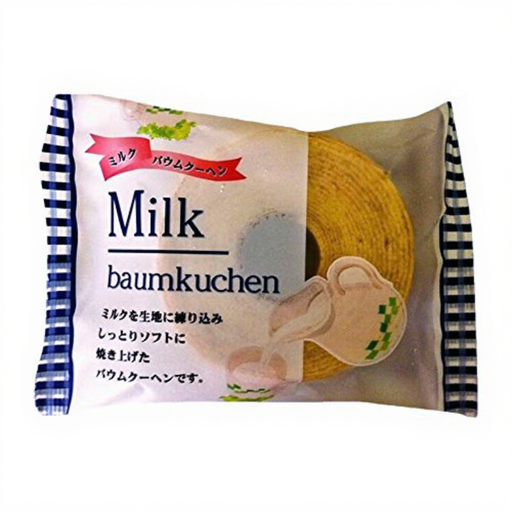
Why this fits the profile: The 80g portion is easy to manage, and the milk flavour offers a familiar taste for anyone trying baumkuchen for the first time.
The product information mentions an individually wrapped cake and cool, dry storage. So you know in advance how to store it.
80g, layered structure, milk flavour and individual wrapping. Allergens: wheat, egg, milk and soya.
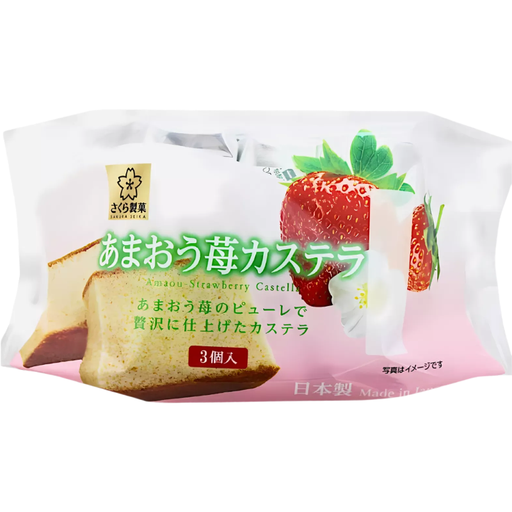
Why this fits the profile: This Japanese cake combines castella with an Amaou strawberry flavour and comes in three individually wrapped pieces.
The portioning means you don’t have to open the whole pack at once. However, note that the product information recommends refrigerated storage.
105g, three portions, soft castella texture and strawberry flavour. Allergens: egg and wheat.
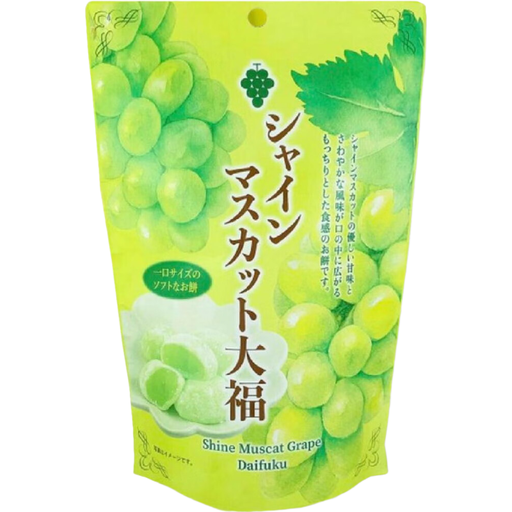
Why this fits the profile: The soft, chewy mochi texture and fruity Shine Muscat flavour are ideal for anyone looking for something different from cake or chocolate.
The product description mentions individually wrapped pieces. Do check the allergens and best-before information on the packaging.
130g, daifuku style, chewy texture and grape flavour. Contains soya and may contain traces of wheat and milk.
We’ve put together a full, up-to-date list of products that fully meet these strict selection criteria and comply with current European safety regulations.
Milder flavours such as milk, chocolate and strawberry are often more approachable than matcha, red bean or ume. A milk baumkuchen, a strawberry castella or a dorayaki with red bean paste offers an easy introduction. If you love chocolate, you could also try a Japanese KitKat.
It varies from product to product. Some cakes need to be refrigerated, while baumkuchen and certain mochi can be kept in a cool, dry place. Read the storage instructions on the packaging and eat an opened product within the stated time. Also, keep mochi well sealed to preserve its texture as much as possible.
Yes, individually wrapped snacks such as dorayaki, mochi, castella and baumkuchen are practical for sharing. Check the shelf life, pack size and allergens before buying. For a gift with a variety of flavours, you can combine several small packs – for example, a matcha cake, fruity mochi and a chocolate baumkuchen.
