
Vandaag of morgen in huis

Kwaliteit gegarandeerd

Welkomstaanbiedingen ontgrendelen: GRATIS bezorging | Tot 80% korting | Gratis 30 dagen JoyPlus-proefperiode
Download de app
Japanese snacks are hugely popular with anyone who loves unusual flavours, compact portions and instantly recognisable packaging. Yet buying Japanese snacks online can be trickier than it looks. A striking packet doesn’t always tell you enough about what’s inside, where it comes from or what allergens it contains.
Three common pitfalls deserve extra attention:
Read the product information before you buy, and always check the label when it arrives. Many Japanese sweets and biscuit products contain wheat, milk, soya and sometimes egg. Hello Panda Biscuits with Strawberry Flavoured Filling also states that the product may contain traces of egg, peanuts and nuts.
Also look out for terms such as milk powder, lactose, cocoa mass, margarine and vegetable oil. These give you a much better idea of the composition than just the flavour name on the front. If you have an allergy or intolerance, the packaging is the final word; product specifications online can change.
Not every product in a Japanese snack category is actually made in Japan. That isn’t necessarily a drawback, but it is relevant information for your choice.
A flavour description is no guarantee of a certain amount of an ingredient. Check the ingredients list and the country of origin for an objective comparison.
A 40 g or 50 g pack is ideal as a small treat or to take with you. For sharing with the family, a larger pack can be more practical. Compare nutritional values per 100 g, because portion sizes vary between brands.
Examples from the range:
Store biscuits, chocolate and wafers as directed on the packaging: usually in a cool, dry place away from direct sunlight. For chocolate products, a temperature below 28 °C may be recommended. After opening, check whether the pack can be resealed properly.
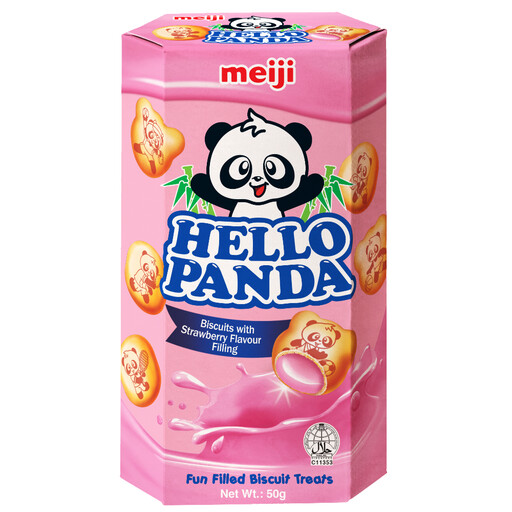
Why this fits the profile: A compact 50 g pack makes this snack an easy way to try a new flavour or take it on the go.
The product information lists ingredients, allergens, origin and nutritional values, so you don’t have to rely on the packaging alone.
50 g; strawberry flavour; crispy biscuits with filling; made in Japan according to the product information.

Why this fits the profile: Ideal for anyone looking for a softer cake texture with a chocolate accent, rather than a standard biscuit.
The product description makes the base clear: egg, wheat, milk and soya are present. This helps you tailor your choice to your dietary needs.
52 g; soft Baumkuchen cake; semi-chocolate and cocoa powder in the ingredients list.
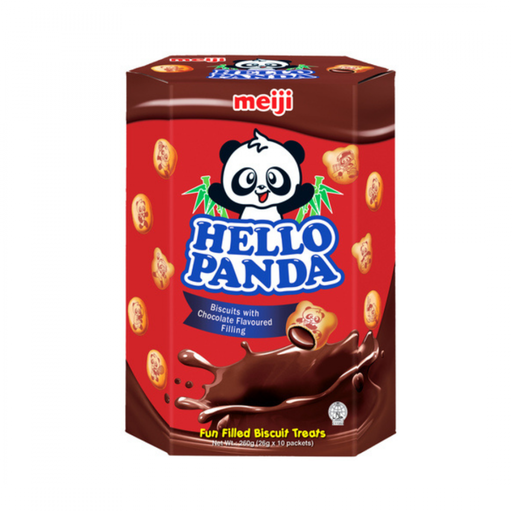
Why this fits the profile: The larger pack suits families, office supplies or moments when several people want to share.
The net weight is clearly stated. You can therefore judge in advance whether an XL pack suits your consumption and storage space.
260 g; chocolate filling; nutritional values per 100 g; storage instructions for a cool, dry place.

Why this fits the profile: The sticks are easy to carry and can be eaten during a break or on the move without any cutlery.
The packaging lists wheat, milk and soya as allergens. Check the current label before sharing the snack.
45 g; biscuit sticks with strawberry flavour; practical packaging; ready to eat straight away.
We’ve put together a full, up-to-date list of products that fully meet these strict selection criteria and comply with current European safety regulations.
If you’re after soft sweets, take a look at the Yuki & Love Dorayaki. It consists of two layers of cake with a red bean filling. Please note: the product information lists soya, wheat and egg, and states Taiwan as the country of origin.
For a combination of fruit and chocolate, the Bourbon Alfort Mini Strawberry and Meito Pukupukutai Chocolate Strawberry Wafer are possible choices. If you’re specifically looking for matcha biscuits, check the ingredients list: the flavour name alone doesn’t tell you how much green tea is actually present. The Franzzi Matcha Mousse Chocolate Flavor Cookies are, according to the product information, made in China and contain wheat, milk and soya.
Small packs such as Pocky at 40 g or 45 g, Hello Panda at 50 g and Meito Pukupukutai at 16.5 g are practical for school, work, travel or a quick break. In warm weather, keep chocolate out of direct sunlight.
The shelf life is printed on the packaging. Unopened biscuits generally stay crispiest when stored in a cool, dry place away from sunlight. After opening, an airtight container is important. Always check the smell, texture and the stated date.
Compare the ingredients, allergens, nutritional values, net weight, origin and storage instructions for each product. That way, you can buy Japanese snacks based on verifiable product information rather than just the flavour name or packaging.
