
Vandaag of morgen in huis

Kwaliteit gegarandeerd

Welkomstaanbiedingen ontgrendelen: GRATIS bezorging | Tot 80% korting | Gratis 30 dagen JoyPlus-proefperiode
Download de app
Japanese snacks are popular in the Netherlands, but the range includes more than products from Japan. Online shops also sell Japanese-style snacks, Korean seaweed snacks and treats from Taiwan and China. This distinction matters when you’re looking for a particular flavour, preparation method or country of origin.
Packaging can also look bigger than the amount inside. A box of individually wrapped portions is convenient, but may contain relatively little product. Terms such as “premium”, “authentic” and “healthy” aren’t always backed up by clear product specifications either. Use these checks to choose Japanese sweets, Japanese biscuits, mochi, nori seaweed and Japanese frozen products with confidence.
Always check the country of origin and the responsible importer. For example, Yuki & Love Green Tea Mochi is a Japanese-style rice cake, but the product information names a responsible party in Germany. According to its product information, Bamboo House Mango Mochi is made in Taiwan. That doesn’t make it any less interesting, but it does help you set the right expectations about where it comes from.
Check the net weight, number of pieces and serving size. A box of three cakes is different from a 180-gram bag containing several individually wrapped mochi. So compare not only the price per pack, but also the price per 100 grams or per piece.
Mochi can become harder after opening if the pack isn’t sealed properly. Nori loses its crispness when exposed to moisture. According to the product information, frozen products must not be refrozen after thawing. So check the storage instructions before buying, especially if you’re ordering snacks online or stocking up.
EU labelling rules require ingredients and allergens, among other details, to be clearly listed. Pay particular attention to:
Product descriptions can be brief. If you have an allergy, always check the packaging as well. Kimnori Teriyaki seaweed snack lists soya and sesame oil among its ingredients. J-Basket Takoyaki lists wheat and soya as allergens and contains octopus.
Individually wrapped snacks are handy for a lunchbox, working day or treat, but that doesn’t guarantee quality. Compare the quantity, number of portions and price. Obento Yaki Nori contains 10 sheets and 25 grams. It’s useful for sushi, hand rolls and onigiri, while a smaller seasoned seaweed snack is more likely to be intended for eating straight from the pack.
Buying dry Japanese treats online is usually straightforward: keep them somewhere cool and dry, away from direct sunlight and moisture. Instructions vary by mochi product. Yuki & Love Green Tea Mochi should be refrigerated after opening and, according to the product description, eaten within a few days. Q-Brand Cocoa Mochi Passion Fruit should be stored frozen at -18 °C or below and briefly brought to room temperature before eating.
Delivery matters when it comes to Japanese frozen products, too. Choose products only when the seller clearly explains how the cold chain is maintained. Once they arrive, store them straight away at the temperature stated on the packaging.
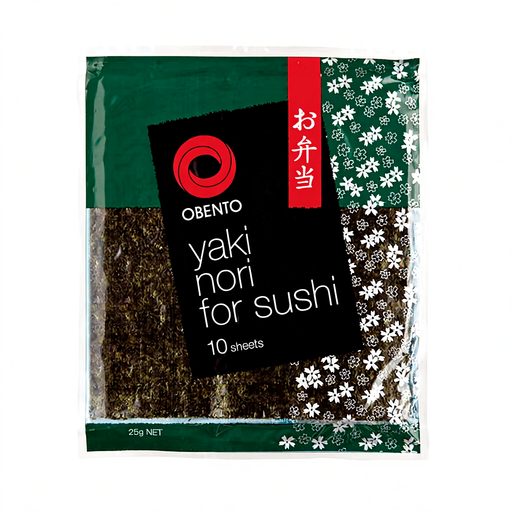
Why it suits this shopper: A handy pack of 10 sheets is ideal if you want to make sushi, onigiri or rice bowls at home without buying a large pack.
The number of sheets and net weight are clearly stated, so you can gauge the quantity before buying.
10 roasted sheets, suitable for sushi, hand rolls and onigiri; according to the product information, store in a cool, dry place.
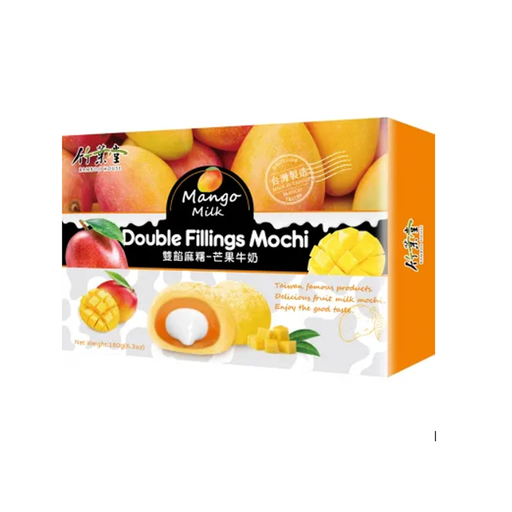
Why it suits this shopper: The double mango and milk filling gives it a distinctive flavour, making it a great choice if you’re after more than a simple sweet rice cake.
The product information gives Taiwan as the country of origin and lists milk and egg as allergens, so you have clear details about its ingredients and origin.
180 grams, individually wrapped pieces and a double filling; reseal in an airtight container after opening to help prevent the rice layer from drying out.
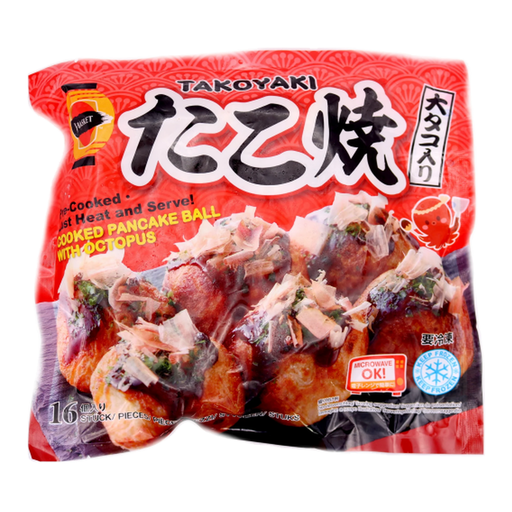
Why it suits this shopper: A 480-gram bag is ideal for a Japanese meal at home, a get-together or an evening meal shared with several people.
The preparation and freezing instructions are important for safe use: store frozen, refrigerate after thawing and don’t refreeze.
480 grams, with octopus listed as an ingredient; according to the product description, it can be cooked in the oven or on the hob.
We’ve put together a full, up-to-date list of products that meet these strict selection criteria and the applicable European safety requirements.
Start with familiar flavours and small packs. Nori, milk biscuits, dorayaki and mochi are easy options. Just check whether you’re looking for a sweet snack or an ingredient for a meal. Yaki nori, for example, is intended for sushi and rice dishes, while seasoned nori can be eaten straight from the pack.
It depends on the product. Store dry mochi in a cool, dry place according to the label, and seal the pack securely. Some varieties need to be refrigerated after opening and eaten within a few days. Keep frozen mochi at -18 °C or below; thaw it according to the product instructions and don’t refreeze it.
Not necessarily. Many products contain wheat, milk, egg, soya, sesame, fish or crustaceans. Before buying, read both the ingredients list and the allergen information. If you’re concerned about cross-contamination, it’s best not to choose the product unless you can get more information from the manufacturer or seller.
