
Vandaag of morgen in huis

Kwaliteit gegarandeerd

Welkomstaanbiedingen ontgrendelen: GRATIS bezorging | Tot 80% korting | Gratis 30 dagen JoyPlus-proefperiode
Download de app
Buying Japanese snacks in the UK might seem straightforward, but the packaging doesn’t always tell the full story. If you rely solely on a catchy flavour name or a picture of matcha, you could end up with a product that doesn’t suit your taste, storage options or dietary needs.
With Japanese snacks, there are three common pitfalls to watch out for:
For fans of matcha snacks, it’s worth reading the ingredients list. With the Q-Brand Japanese-Style Mochi Green Tea Flavor, the green tea paste makes up 25% of the product according to the product information. The stated matcha powder content is 0.3%. With the Glico Pock tea biscuit – peach & matcha, both matcha powder and peach powder are listed at 1%.
That doesn’t automatically mean a snack is inferior. It does, however, help you manage your expectations. If you’re after a distinct tea flavour, compare:
With green tea mochi, the filling can also taste sweeter than the tea itself. Matcha naturally has a pronounced, slightly bitter taste, but in mochi it’s often combined with sugar, maltose or bean paste.
Mochi is made from glutinous rice flour, giving it an elastic, chewy texture. Dorayaki consists of soft cake halves with a filling. Baumkuchen is built from thin layers of cake and tends to feel lighter and firmer.
For snacking on the go, individually wrapped items are practical. The Q-Brand mochi (210 g) comes individually wrapped and is designed for taking out or sharing. The Atom Japanese Milk Baum Cake and Atom Japanese Banana Baum Cake (both 80 g) are also individually wrapped according to the product description.
Pay attention to portion size too. A small pack is handy for a single serving, but a larger bag can be better value if you’re sharing with others. Compare the price per 100 g, not just the total price.
EU regulations require major allergens to be clearly listed. Always check the actual packaging, especially if you have allergies or food intolerances. The products mentioned may contain wheat, gluten, eggs, milk, soya, almonds and possible traces of nuts or sesame.
Storage information varies widely:
The KHY Soy Cream Daifuku Matcha must be stored frozen according to the product information. After thawing, it should be kept chilled and eaten within the stated period. Always check the best-before date and usage instructions on the packaging. Any sachet of drying agent or oxygen absorber is not edible and should be removed after opening.
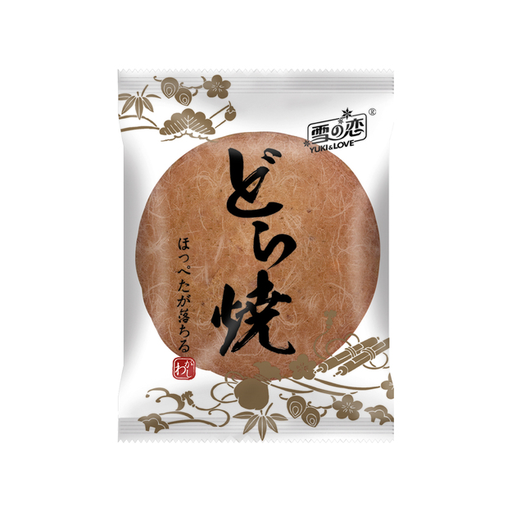
Why it fits this profile: The small size makes it easy to try Japanese desserts for the first time. The soft cake and red bean filling pair well with coffee or tea.
The product information states a net weight of 55 g and 32% red bean filling. So you know exactly what you’re buying.
Compact individual size; contains wheat, egg and soya according to the label.
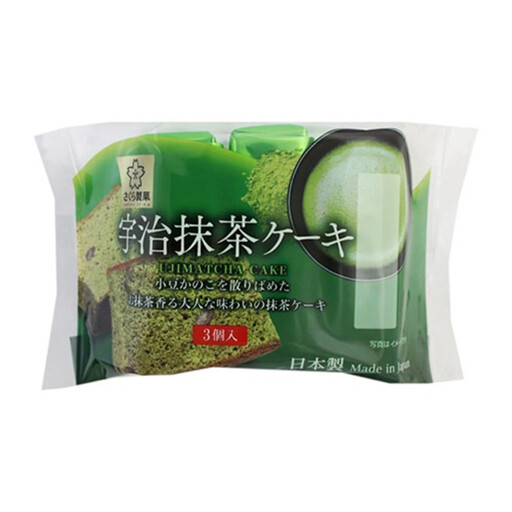
Why it fits this profile: This cake is aimed at lovers of Uji-matcha and comes as a pack of three portions, ideal for sharing or serving with tea.
The product is stored chilled. This makes the storage advice concrete, rather than just a general claim about freshness.
Uji-matcha flavour profile; three pieces per pack according to the product name.
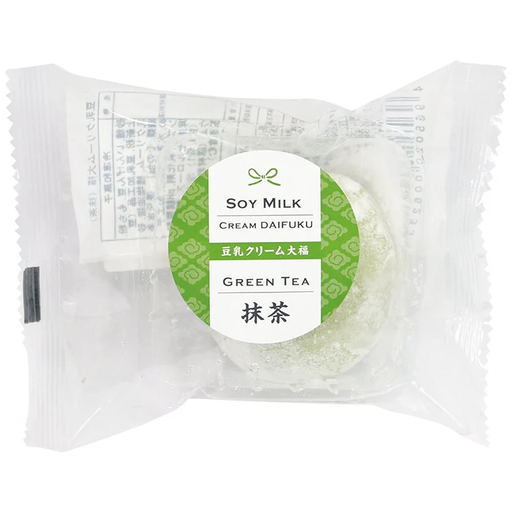
Why it fits this profile: This daifuku combines a soft rice cake with matcha and soya cream. It’s ideal for anyone who wants to plan a frozen dessert moment.
The label clearly states: keep frozen, keep chilled after thawing, and do not refreeze.
Matcha and soya cream filling; 60 g portion; preparation instructions after thawing are provided.
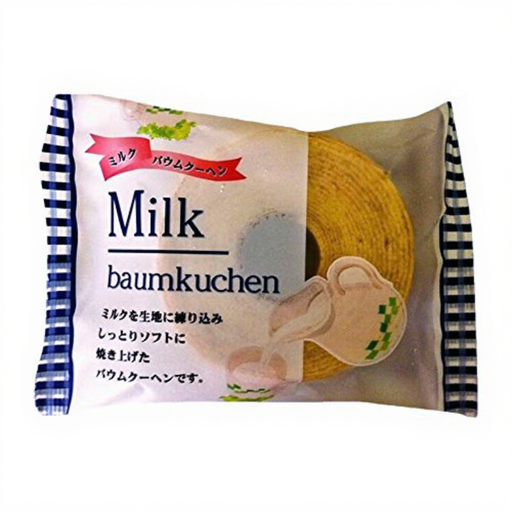
Why it fits this profile: The soft, layered cake with a milky flavour suits a quiet tea moment and, at 80 g, is easy to take with you.
The product information mentions the ring shape, layered structure, packaging and storage conditions. Always check the current ingredients list though.
80 g; individually wrapped according to the product description; milky flavour.
If you’re after fruity Japanese treats, take a look at the Sakura Seika Castella White Peach Fl 130g. This soft cake contains white peach purée according to the ingredients list. For a milder, more familiar flavour, the Atom Japanese Banana Baum Cake 80g is an option; it contains banana purée and has thin cake layers.
Japanese biscuits are also handy for snacking on the go. The Nikko Matcha Cookies (90 g) contain 0.6% matcha according to the product information. The Glico Pock tea biscuit combines matcha with peach and comes in a 42 g pack. For honey lovers, the Funwari Kaoru Baumkuchen Cake Honey 52g is a small portion with honey in the ingredients list.
With all these Asian sweets, pay attention to the nutritional values. A cake can be relatively high in sugar or fat per 100 g, even if the pack is small. Use the values per portion to compare different products fairly.
We’ve put together a full, up-to-date list of products that fully meet these strict selection criteria and comply with current European safety regulations.
Mochi, dorayaki, matcha biscuits and baumkuchen cake are often enjoyed with green tea, genmaicha or coffee. Choose mochi for a chewy texture, dorayaki with red beans for soft cake with a filling, and baumkuchen for layered cake.
That depends on the product. Check the date on the packaging and follow the storage advice. After opening, some Japanese mochi need to be eaten straight away, while others can be kept chilled for a few more days. Frozen daifuku should not be refrozen after thawing.
Not always. Many products contain wheat, gluten, eggs, milk or soya. Some labels also mention possible traces of peanuts, nuts or sesame. So check the full, current ingredients and allergen information before you buy and again when you receive the product.
