
Vandaag of morgen in huis

Kwaliteit gegarandeerd

Welkomstaanbiedingen ontgrendelen: GRATIS bezorging | Tot 80% korting | Gratis 30 dagen JoyPlus-proefperiode
Download de app
Fancy some Japanese snacks but can't decide between Pocky, Japanese KitKat flavours, Hello Panda or Japanese biscuits? The range online is huge. A striking packet doesn't always tell you about the taste, portion size or whether it's right for your household. With a few simple checks, you can avoid buying the wrong thing and choose more wisely.
The main pitfalls with Japanese sweets and biscuits are:
Japanese snacks often stand out for combinations that are less common in British supermarkets. Think matcha snacks, strawberry, peach, orange, cookies & cream or salted caramel.
Don't just look at the flavour name – also consider the base of the snack:
A fruit flavour doesn't automatically mean it contains lots of fruit. For example, the Glico Pocky Peach Flavor states 10% peach powder. With other products, fruit powder may only be a small part of the ingredients list. If you're after a pronounced fruit taste, it's worth comparing the ingredients and flavour description side by side.
For an individual treat, a small packet is often practical. The Meito Pukupukutai Chocolate Wafer, for instance, contains 16.5 grams per pack. That's perfect for a little moment of indulgence, but less suitable if you want to fill a large bowl for a party.
For sharing or stocking up, larger packets are more convenient. The Nestlé KitKat Strawberry Short Cake contains 9 pieces with a total weight of 104.4 grams. The Hello Panda Biscuits Choco Filling XL comes in a 260-gram pack.
When comparing, check:
This way, you can avoid an attractive packet working out more expensive than a larger multipack.
Many Japanese snacks contain wheat, milk or soya. Some variants may also include barley, hazelnuts, almonds, eggs or sesame. Always check the current label, especially if you have an allergy or food intolerance.
Examples from the product information:
Nutritional values are also useful for comparison. Pocky Cookies & Cream, for example, lists 480 kcal and 32 grams of sugars per 100 grams. The exact values differ by flavour and manufacturer. So don't automatically use the information from another variant.
Store chocolate, biscuits and wafers according to the instructions on the packet: usually cool, dry and out of direct sunlight. In high temperatures, the coating can soften. A white discolouration after melting and re-solidifying is described as a normal physical change for some products; if in doubt, always check the packet and product information.

Why it fits the profile: A familiar Pocky variant with 45 grams of content and a fruity flavour. An accessible choice if you're trying Japanese snacks for the first time.
The content is clearly stated, so you can compare the portion against other Japanese sweets and biscuit variants.
45 grams; biscuit sticks with strawberry flavour; contains wheat, milk and soya.

Why it fits the profile: For fans of a more pronounced tea flavour combined with chocolate and crispy wafers.
The product information lists the ingredients and allergens specifically. That helps when comparing matcha snacks without relying solely on the name.
10 pieces; 566 kcal and 23.9 grams of sugars per 100 grams according to the stated nutritional information; contains wheat, milk and soya.
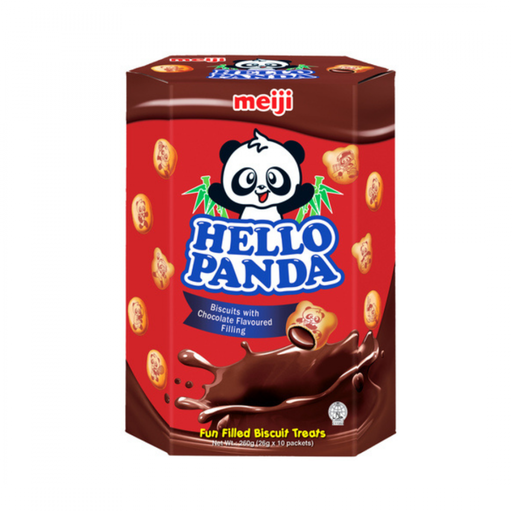
Why it fits the profile: The large pack is ideal for families, visitors or a cupboard stocked with shareable Japanese biscuits.
The 260-gram weight makes the total quantity immediately clear. After opening, it's important to seal it well to keep the biscuits crispy.
260 grams; crispy biscuits with chocolate filling; contains wheat, milk and soya.
Before you check out, look at:
We've put together a full, up-to-date list of products that fully meet these strict selection criteria and comply with current European safety regulations.
Choose a pack with multiple pieces or a larger total weight. KitKat packs with 9 or 10 bars and Hello Panda XL are more practical for a family, visitors or a snack table than a single-portion pack of around 16 grams.
The best-before date is on the packet. Store the snacks in a cool, dry place away from direct sunlight. After opening, a well-sealed packet helps keep them crispy and flavourful for longer. Always follow the manufacturer's storage instructions.
First compare flavour, weight, ingredients, allergens and storage advice. Then you can buy Japanese snacks online directly from a product page or the wider range. That way, you choose based on information that suits how you'll use them, not just the packaging.
