
Vandaag of morgen in huis

Kwaliteit gegarandeerd

Welkomstaanbiedingen ontgrendelen: GRATIS bezorging | Tot 80% korting | Gratis 30 dagen JoyPlus-proefperiode
Download de app
Japanese snacks are hugely popular among fans of sweet, savoury and unusual flavours. However, the online range isn’t always easy to compare. A packet might look Japanese, while the product is actually made in another country. What’s more, terms like “authentic”, “premium” or “natural” don’t tell you much without clear information about ingredients, allergens and weight.
With this guide, you’ll discover how to select Japanese snacks without spending unnecessarily. Here you’ll find key points to consider for Japanese sweets, Japanese mochi, Japanese biscuits, Japanese gummies, Japanese chocolate, Japanese rice crackers and Japanese seaweed snacks.
Japanese characters, anime characters and well-known brand names can give the impression that a snack comes from Japan. Always check the country of origin and the responsible market operator. For example, the Seiki Ramune Mochi is described as imported from Japan. The Yuki & Love Dorayaki has a Japanese product style, but lists Taiwan as the country of origin.
This difference matters if you specifically want to buy Japanese snacks online that are genuinely from Japan.
Many snacks are sold in portions of 25 to 55 grams. That’s handy for a lunchbox, gift set or tasting selection, but you should also compare the price per 100 grams. A 40g bag of Pocky, a 16.5g Meito wafer and a 140g pack of mochi can’t be compared directly on price per packet alone.
“Matcha”, “fruit” or “chocolate” can in practice mean a flavouring, powder or concentrated ingredient. Look at the ingredients list and nutritional values. For instance, Mikakuto UHA Kororo Muscat lists concentrated fruit juice. Bamboo House Matcha Mochi includes green tea powder, red beans and sesame in its ingredients.
Always check before you buy:
The allergen information on the product page is useful, but if in doubt, also check the current label. Ingredients and packaging can change.
Mochi, gummies and biscuits each have different storage requirements. Soft Japanese mochi may need to be refrigerated after opening. Yuki & Love Mochi Green Tea advises keeping the product refrigerated after opening and consuming within 3 to 5 days. Crispy snacks, such as nori or freeze-dried ice cream, lose their texture more quickly when exposed to moisture.
So pay attention to:
Compare nutritional values per 100g rather than just per packet. This gives you a better idea of which product is relatively high in sugar, fat, salt or energy. The values vary widely: Orihiro Purunto Jelly lists 14 kcal per 20g serving, while sweet biscuits and chocolate products often exceed 450 kcal per 100g.
This doesn’t automatically make a product suitable or unsuitable. It mainly helps you choose something that fits the occasion: a small treat, a tasting pack or a snack to share.
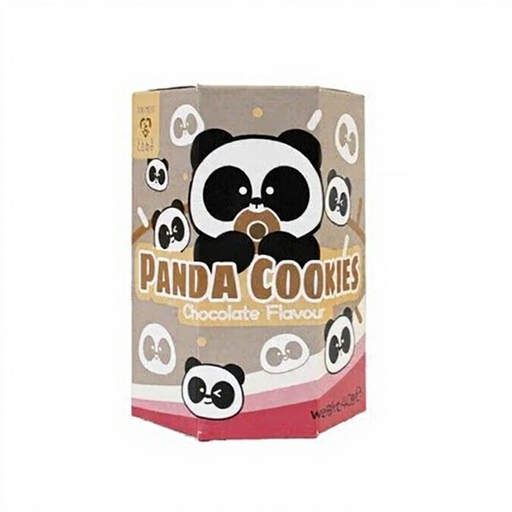
Why this fits the profile: The small pack is ideal for trying your first Japanese snack, or taking to school or the office. The combination of crunchy biscuit and chocolate flavour is accessible for newcomers.
The 40g weight is clearly stated. This means you can compare the price per 100g and avoid unknowingly buying a small portion at a high total price.
Panda shape, crunchy texture and clear allergen information for wheat, milk, egg and soya.
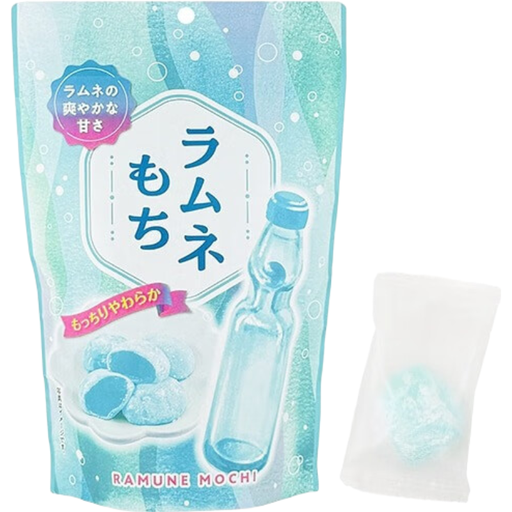
Why this fits the profile: If you’re after a distinctive flavour and a soft texture, this offers a combination of traditional mochi and ramune soda taste. Individually wrapped pieces are great for sharing or giving as a gift.
The description states the country of import, the net weight and the individual wrapping. This gives you more certainty than just a striking Japanese design.
130g, individually wrapped mochi and a clearly stated ramune flavour. Watch out for soya and possible traces of wheat and milk.
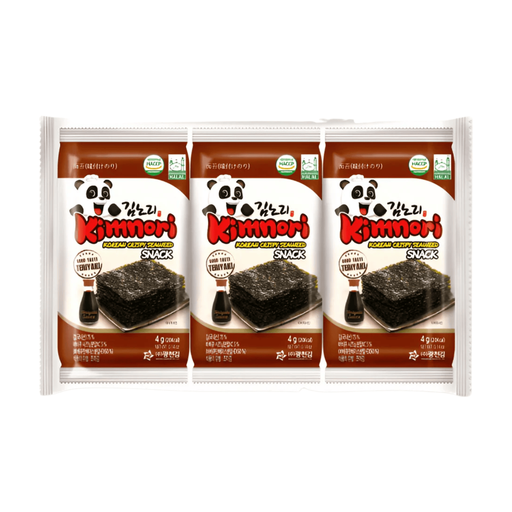
Why this fits the profile: This savoury snack suits anyone looking for something less sweet and wanting to use nori as a between-meal bite, a topping for rice or an accompaniment to noodles.
The pack contains three 4g portions. This means an opened portion stays small, and the amount per use is easy to gauge.
Teriyaki seasoning, crispy roasted seaweed sheets and three separate packs. Contains soya and sesame; the salt content is stated.
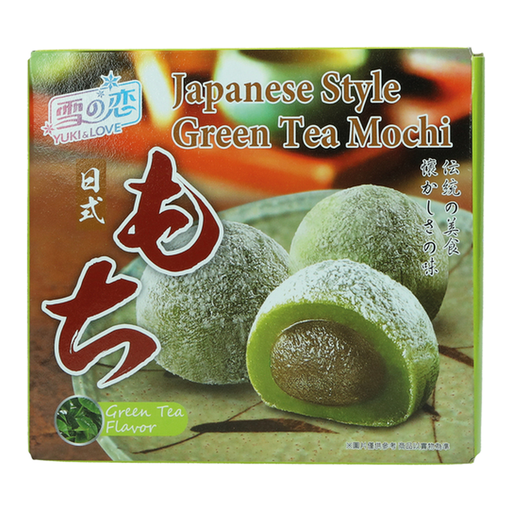
Why this fits the profile: The green tea flavour and soft rice cake make this a natural choice for a gift set or a tasting selection of unique Asian snacks.
The ingredients list mentions the proportion of green tea paste and green tea powder. This lets you assess the matcha or green tea flavour better than by looking at the front of the pack alone.
140g, green tea components and storage instructions for after opening. Contains soya; check the label before serving.
We’ve put together a full, up-to-date list of products that fully meet these strict selection criteria and comply with current European safety regulations.
For fans of Japanese gummies, the Mikakuto UHA Kororo Muscat 48g is interesting thanks to its soft centre, muscat grape flavour and resealable packaging. Check the listed allergens, which include beef, apple and gelatine.
If you want to combine Japanese chocolate and biscuits, take a look at Meiji Hello Panda Biscuits with Double Chocolate Filling 50g, Meiji Chocorooms Strawberry 36g or Glico Pocky Cookies & Cream 40g. These products contain wheat, milk and soya among other ingredients. For a different texture, KOKORO Freeze Dried Chocolate Ice Cream 25g is an option that doesn’t need refrigeration. This product contains milk and lists colour E129; the packaging carries a warning about possible effects on activity and attention in children.
For savoury variety, Delief Roasted Seaweed Sushi Nori 24g and CRAYON SHIN CHAN Ramen Snack Wasabi Flavor 90g are good categories to consider alongside sweet snacks. With ramen and seaweed snacks, pay particular attention to the salt content and the preparation or storage instructions.
Choose a combination of different sizes and flavours, for example mochi, Pocky, gummies and seaweed. Individually wrapped products like Seiki Ramune Mochi are practical for sharing. Check the best-before date and allergens in advance, especially if you don’t know the recipient’s preferences fully.
Store unopened mochi according to the label, usually in a cool, dry place away from direct sunlight. Refrigeration may be needed after opening. Yuki & Love Mochi Green Tea states that the product should be refrigerated after opening and consumed within 3 to 5 days. Always follow the current packaging instructions.
This varies from product to product. Check the ingredients, allergens, portion size and any warnings. Hard, sticky or very chewy snacks require extra care with young children. For products containing colourings or gelatine, it’s wise to read the full label before serving.
