
Vandaag of morgen in huis

Kwaliteit gegarandeerd

Welkomstaanbiedingen ontgrendelen: GRATIS bezorging | Tot 80% korting | Gratis 30 dagen JoyPlus-proefperiode
Download de app
Buying Japanese snacks might seem straightforward, but the range varies considerably in flavour, size, origin and allergen information. Whether you're looking for Japanese crisps for a film night, wasabi snacks for a drinks party or Japanese seaweed snacks for on the go, simply looking at the packaging isn't enough.
Marketing names such as "authentic flavour", "extra spicy" or "premium" don't always tell you how much seasoning, seaweed or fish is actually inside. With these checks, you can choose more wisely and avoid the disappointment of a large bag that goes soft after just one opening.
"Wasabi", "teriyaki" and "seafood" often refer to a seasoning blend or flavouring. That doesn't automatically mean the product contains plenty of wasabi, seaweed or seafood. Always check the ingredients list. For example, Yamaei Crunchy Nori Ten Chips Wasabi lists seaweed as an ingredient and also contains wheat, egg and soya. Koikeya Wasabi Nori includes seaweed and wasabi powder among its ingredients.
A 250g or 300g bag works well for a drinks party, but it's less practical if you only want to try a small portion. Smaller packs of 20g to 75g are ideal for on the go or for comparing several flavours. Also pay attention to the quantity per pack: a multipack can be handy, but check the total contents and the best-before date.
Japanese snacks and other Asian snacks may contain soya, wheat, egg, peanut, sesame, fish, shellfish or molluscs. A product with a Japanese flavour might also come from Thailand, South Korea, China or Europe. For instance, Taokaenoi Crispy Seaweed Japanese Sauce is a seaweed snack of Thai origin. That doesn't make it any less suitable as a snack, but the origin matters if you're specifically looking for Japanese products.
If you have allergies, always read the current label. Product information can change, and the packaging is the final authority.
Are you using the snack for a particular occasion?
Crunchy products like crisps, nori and rice crackers are very sensitive to moisture. So look at the best-before date, ensure the packaging is undamaged, and check the storage instructions. Once opened, you need to seal the bag tightly or store the contents in an airtight container.
With seaweed, the difference between thin roasted sheets, tempura seaweed and seasoned snack sheets is important. Obento Yaki Nori contains 50 sheets weighing 125g in total and is primarily intended for sushi and other meals. A product like POLI Toasted Seaweed is individually portioned and ready to eat.
Don't just compare calories; also compare salt, fat, sugar and allergens per 100g. According to the product information, Koikeya Potato Chips Teriyaki Flavour contains 518 kcal and 1.2g of sodium per 100g. The Wasabi Nori variant lists 536 kcal and also 1.2g of sodium per 100g.
A product with a light texture isn't automatically low in energy or salt. Gusto Wasabi Corn Puffs weighs 80g per bag and lists 528 kcal and 1.8g of salt per 100g. So use the portion size as a practical guide.
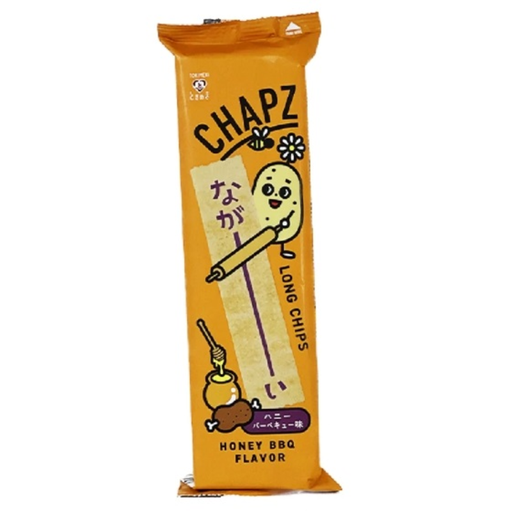
Why this fits: A compact bag to try a sweet and savoury crisp flavour without committing to a large stock.
The pack contains 75g, so you can assess the flavour first. Wheat is listed as an allergen; check the label at the time of purchase.
75g; honey BBQ seasoning; suitable for a small gathering or a trial order.
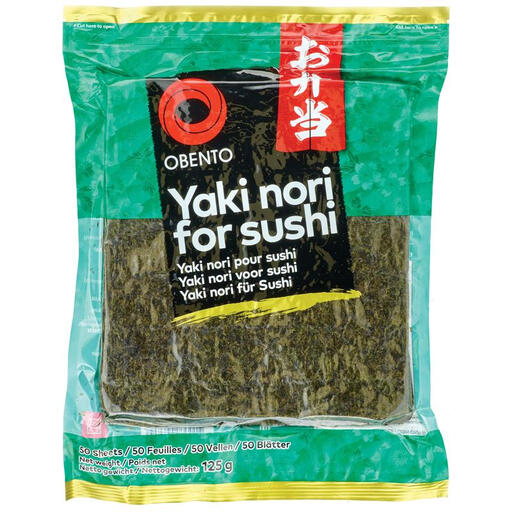
Why this fits: For those who want roasted sushi nori for homemade sushi, rice balls or as a topping.
The number of sheets and total weight are clearly stated. This prevents confusion between snack packs and nori for meal preparation.
50 sheets; roasted seaweed; suitable for sushi and rice dishes.
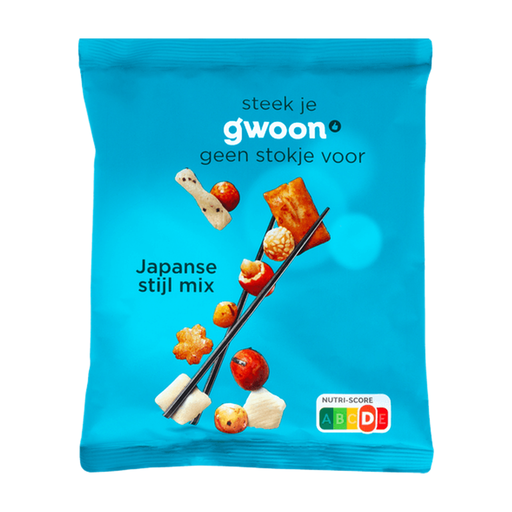
Why this fits: A larger pack for a gathering with several people or for those who regularly serve a Japanese snack mix.
The contents and packaging are designed for sharing. Seal the jar well after use to better preserve the crunchy texture.
250g; mix of multiple textures; jar made from 100% recycled material according to the product description.
Browse a current selection of products and compare Japanese fried snacks by flavour, size, ingredients and usage occasion.
If you enjoy Japanese crisps, you can compare Koikeya Teriyaki Flavour with Koikeya Karamucho Potato Snack with chilli or Brets Yakitori Chips. For a pronounced wasabi taste, Amanoya Himemaru Rice Cracker Wasabi, Gusto Wasabi Corn Puffs and Yamaei Nori Ten Chips Wasabi are different options, each with a different texture.
For fans of seafood snacks, CARADA Cuttlefish Crackers, Zen Zen Salmon Fish Chips and BENTO Mixed Seafood Snack Hot & Spicy focus on savoury seafood flavours. With these products, pay extra attention to fish, shellfish, molluscs and soya in the ingredients list.
A Japanese snack mix, rice crackers or a combination of crisps and roasted seaweed works well because you can offer a variety of flavours. A larger pack, such as 250g or 300g, is more practical for several people than individual bags.
Store unopened snacks in a cool, dry place away from direct sunlight. Seal opened packs tightly. Seaweed and crisps quickly lose their crunchy texture when exposed to moisture. Always check the specific storage instructions on the packaging.
Before consuming, check the current ingredients list and allergen information. Look out for wheat, soya, egg, peanut, sesame, fish, shellfish and molluscs, among others. If you are unsure about a product, it is best not to use it.
