
Vandaag of morgen in huis

Kwaliteit gegarandeerd

Welkomstaanbiedingen ontgrendelen: GRATIS bezorging | Tot 80% korting | Gratis 30 dagen JoyPlus-proefperiode
Download de app
Japanese snacks and frozen foods are ideal for a quick meal, lunchbox or gathering. However, the range isn’t always easy to compare. A pack might look like it contains plenty of portions, while the net weight is actually quite small. What’s more, cooking instructions, allergens and the cold chain are sometimes overlooked.
So keep an eye on these three common pitfalls:
Relying only on the product image
An appealing picture doesn’t tell you much about the contents, portion size or how to prepare it. Always check the weight, the number of pieces and the ingredients.
Assuming a frozen product is ready to eat
Some items are pre-cooked but still need to be heated through. Others are ready to eat straight away. That difference determines how much time and preparation you’ll need.
Checking allergens only after you’ve bought it
Japanese dumplings often contain wheat, soya, sesame, egg or shellfish. Check the label on every variant, even if you’ve bought a similar product before.
Don’t just compare the number of pieces – look at the weight too. A pack of 30 Japanese gyoza might be enough for several meals, whereas a 100 g onigiri is more suited to a quick lunch or snack.
With larger packs, such as a 600 g product, it’s wise to check beforehand whether you have enough freezer space. Also pay attention to the best-before information on the packaging. The exact date can vary from one delivery to the next.
Check whether a product can be eaten straight from the pack or needs to be cooked first.
For KHY Shrimp Gyoza, for example, the instructions say you can pan-fry, deep-fry or steam them. The cooking guidelines mention around 170–180 °C for deep-frying and roughly five minutes for steaming. Use the pack as your guide, because instructions can vary from product to product.
According to the product information, many gyoza variants contain wheat and soya. Ajinomoto’s pork gyoza also lists gluten and wheat as allergens. The prawn gyoza contains shellfish and wheat. For Japanese sausages with cheese, milk is listed as an allergen; the pack also states that traces of gluten, soya and celery may be present.
Store frozen products at -18 °C or colder unless the label says otherwise. Once thawed, keep the product chilled and use it within the stated period. Do not refreeze. On delivery, check that the packaging is still intact and that the product has stayed frozen.
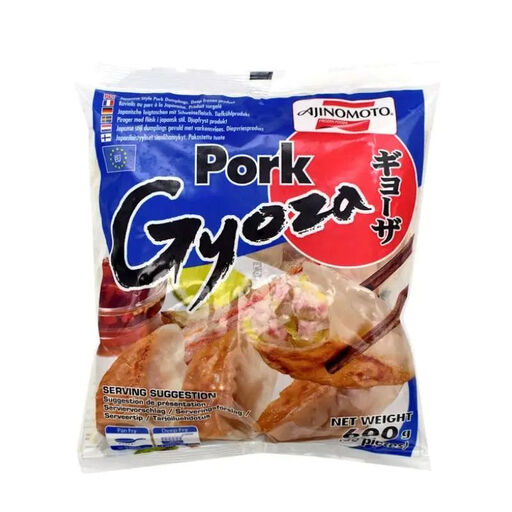
Why this fits the profile: A straightforward pack of 30 pieces is practical if you want to try Japanese gyoza for the first time or plan several quick meals.
The number of pieces and the ingredients are clearly stated. This lets you compare the contents based on verifiable information rather than just the packaging.
30 pieces; filling with vegetables and pork; suitable for pan-frying, steaming or cooking in a pan with water. Contains wheat, gluten and soya.
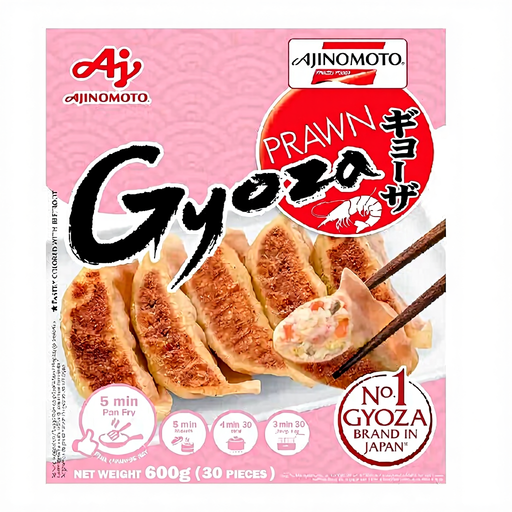
Why this fits the profile: This variant suits fans of a prawn filling who want a larger meal pack for the family or for entertaining.
The product information states the proportion of peeled prawns, the weight and the allergens. This means you can assess the contents and suitability in advance.
600 g and 30 pieces; 27% peeled prawns according to the product information; suitable as a snack or a meal. Contains shellfish and wheat.
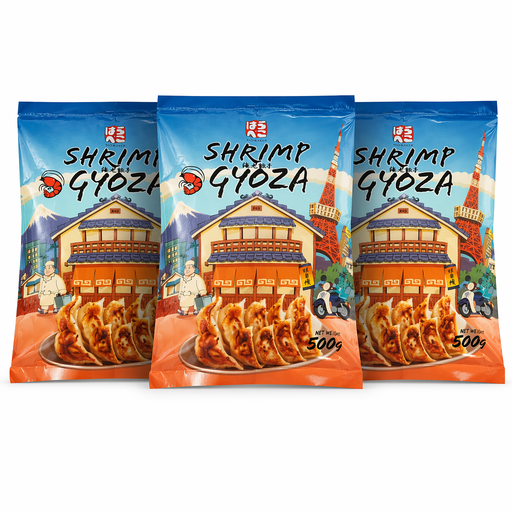
Why this fits the profile: The multi-pack is designed for households that cook gyoza regularly and want to use different cooking methods.
The cooking instructions give specific times and temperatures. It also states that thawing is not needed for steaming and deep-frying.
3 packs of 500 g; cook by pan-frying, deep-frying or steaming; product information lists soya and wheat as allergens.
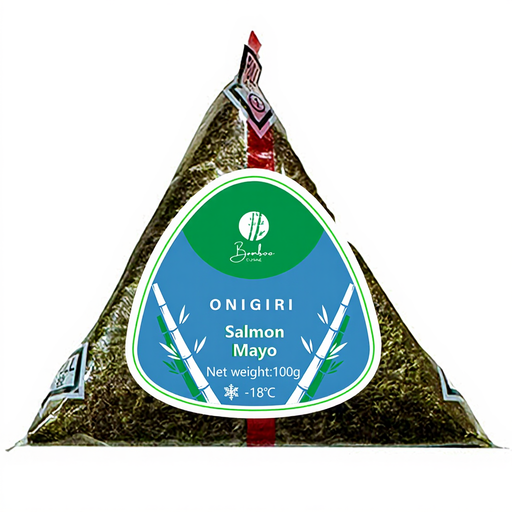
Why this fits the profile: A 100 g portion is handy for a quick lunch, a snack or a packed lunch without any cooking from scratch.
It is clearly described as a frozen product. Storage and thawing instructions are provided, so you won’t mistake it for a snack that comes straight from the cupboard.
100 g per piece; rice, toasted seaweed, salmon and mayonnaise; suitable as a snack or light meal. Contains egg and mustard according to the product information.
We’ve put together a full, up-to-date list of products that fully meet these strict selection criteria and comply with current European safety regulations.
For a sharing platter, Japanese seaweed snacks such as Kimnori Teriyaki nori in three 4 g packets are a good choice. These are ready to eat and can also be sprinkled over rice, noodles or soup. Do check the salt content and the ingredients, which include soya and sesame oil.
If you’re after something sweet, you could go for taiyaki, such as KHY Mini-Taiyaki at 300 g. For a chewy dessert, there are mochi variants with mango or grape flavour. Storage varies by product: some mochi products need to be frozen, while others should be kept cool and dry.
For a hot meal, ebi fry, Japanese sausages with cheese and chikuwa can be used as part of a larger dish. According to the product information, chikuwa can be added to soup, hotpot or stews, but must be heated through thoroughly. With ebi fry, watch out for shellfish and wheat.
This varies by brand and variant. Many gyoza can go straight from the freezer into a pan, steamer or deep-fat fryer. Always follow the times, temperatures and amount of water given on the pack. Do not thaw the product beforehand unless the instructions specifically say to.
Store them at the temperature stated on the label, usually -18 °C or colder, and check the best-before date on the packaging. Once thawed, keep them chilled and use them within the stated period. Refreezing is not recommended.
That depends on the ingredients and how they are prepared. Check for allergens such as milk, egg, soya, wheat, sesame and shellfish. Also pay attention to salt, sugar and the texture of items like mochi. Only give mochi under supervision and follow the information on the packaging.
