
Vandaag of morgen in huis

Kwaliteit gegarandeerd

Welkomstaanbiedingen ontgrendelen: GRATIS bezorging | Tot 80% korting | Gratis 30 dagen JoyPlus-proefperiode
Download de app
Japanese snacks are popular for drinks and nibbles, lunch, a film night or a quick meal. The range includes everything from Japanese gyoza and onigiri to mochi, nori snacks and Japanese rice crackers. With so much choice, selecting the right products is not always easy. Eye-catching packaging tells you little about portion size, preparation or allergens.
That is why it is important to focus on the product information. This helps you avoid choosing a snack that is too small for a party, does not fit in your freezer or does not suit your taste and dietary preferences.
Japanese treats are often sold in compact packs. This is convenient when you are out and about, but less suitable when you are buying for several people. Always check the net weight, number of pieces and serving size.
For example, a 70-gram bag of nori crisps is mainly suitable as a snack or a small addition to drinks and nibbles. For a larger gathering, you can combine several packs with gyoza or a Japanese snack mix.
The term “Japanese style” usually refers to the flavour, recipe or presentation. It does not necessarily mean that the product was made in Japan. If the country of origin is important to you, check the stated producer, ingredients list and country of origin.
According to the product description, Amanoya Himemaru Rice Cracker comes from Japan. Other items, such as certain frozen products, are Japanese style and supplied by European importers.
Japanese frozen products such as gyoza, ebi fry, mini-taiyaki and onigiri must remain frozen until use. A common mistake is placing an order without having enough space in the freezer, or only checking the preparation instructions after delivery.
Check the following before buying:
For lunch or a quick meal, filled products are usually more practical than loose snacks. Ajinomoto Chicken & Veggie Gyoza comes in a 600-gram pack and contains chicken and vegetables. The product information lists preparation methods including pan-frying, steaming and boiling.
For drinks and nibbles, you may prefer smaller portions. Kimnori Seasoned Seaweed Teriyaki consists of three 4-gram sachets. This means you can keep the rest sealed while serving one portion. The nori can also be used as a topping for rice, noodles or salad.
Always read the label, even if you have bought a product before. Recipes and packaging may change. Many Japanese snacks contain ingredients such as wheat, soya, sesame, milk, egg, fish or crustaceans.
Examples from the range:
A product description is not a substitute for the label. Always check the current packaging when your order arrives.
With Japanese frozen products, the preparation method has a major influence on how you use them. Gyoza are suitable as a snack, starter or part of a meal with rice and vegetables. Ebi fry can be served as a crispy component of a meal. Mini-taiyaki and mochi are more suited to a sweet snacking occasion.
Follow the manufacturer’s preparation and storage instructions. For chilled or frozen products, maintaining the cold chain is important. The product information for several items states that they are stored, packed and transported frozen. When your order arrives, check that the packaging is intact and that the product still feels frozen.
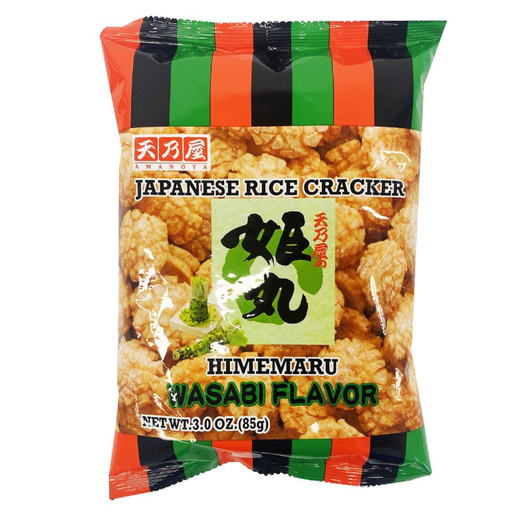
Why it suits this profile: A compact pack for discovering Japanese rice crackers without immediately buying a large selection. The wasabi and chilli flavour is ideal for savoury snack lovers.
The weight and ingredients are clearly stated. This lets you know in advance that it is a small snack pack containing soya.
85 grams, a crunchy texture and product information highlighting wasabi, chilli and soya as key points to consider.
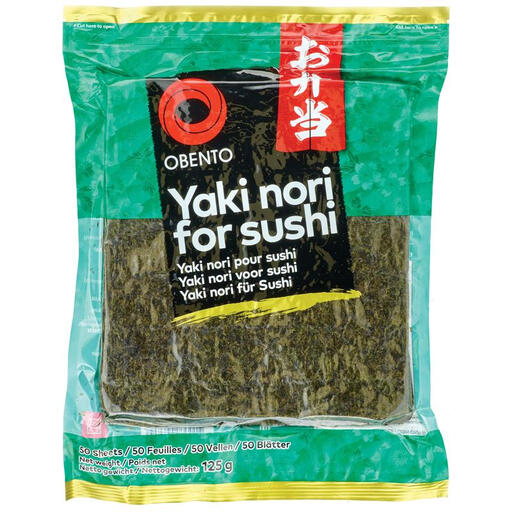
Why it suits this profile: Ideal for anyone who wants to use Japanese seaweed for sushi, rice dishes and snacks. The pack contains 50 sheets, making it practical for regular use.
The number of sheets and net weight are specified. This makes it easier to match your stock to your needs.
125 grams, 50 roasted sheets and, according to the product information, seaweed as the only ingredient.
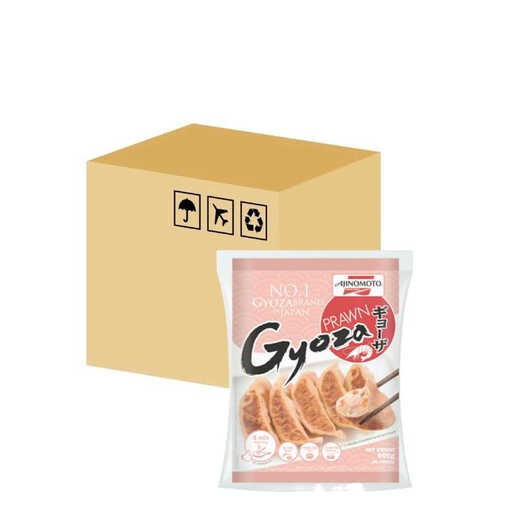
Why it suits this profile: A bulk pack for households, gatherings or enthusiasts who prepare Japanese gyoza regularly. The prawn filling offers a different flavour from chicken, pork or beef.
The pack size is stated clearly. This allows you to plan ahead for freezer space, crustaceans and wheat.
10 packs of 600 grams, 27% peeled prawns according to the product information, and suitable as a snack or meal component.
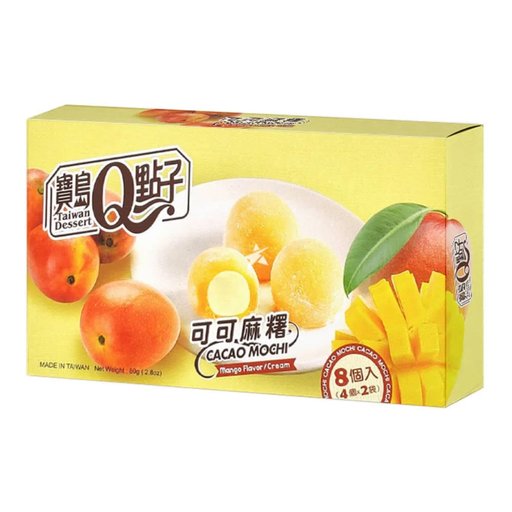
Why it suits this profile: This mochi combines a soft rice-dough texture with a mango filling and is eaten frozen. That makes it suitable as a sweet dessert or a surprising addition to a snack platter.
The product name states the flavour and weight. As the product is stored frozen, you know in advance how it needs to be kept.
80 grams, mango flavour and a combination of chewy mochi with a chilled filling.
We have put together a complete, up-to-date list of products that fully meet these strict selection criteria and the applicable European safety regulations.
A varied selection includes different textures and flavours. For example, combine:
When placing a mixed order, consider the logistics. Dry snacks can be stored in the cupboard according to the label. Frozen products need to go straight into the freezer. If you order both types at the same time, plan your delivery so that the frozen items are not left standing unnecessarily.
Gyoza, nori snacks, Japanese rice crackers and a Japanese snack mix are practical options for sharing. Add mochi or mini-taiyaki for something sweet. Pay particular attention to the number of pieces and the weight per pack.
Follow the instructions on the packaging. Depending on the product, Japanese gyoza can be pan-fried, steamed or boiled. Keep the gyoza frozen until preparation and do not refreeze a product once it has been defrosted.
This varies from product to product. Mochi with a chilled filling generally needs to remain in the freezer. Store dry snacks such as nori and rice crackers in a cool, dry place in a tightly sealed container. Always check the current packaging for the correct storage instructions.
