
Vandaag of morgen in huis

Kwaliteit gegarandeerd

Welkomstaanbiedingen ontgrendelen: GRATIS bezorging | Tot 80% korting | Gratis 30 dagen JoyPlus-proefperiode
Download de app
Japanese snacks come in many varieties, from crunchy crisps and rice crackers to seaweed snacks, spicy party mixes and dried seafood snacks. The wide selection makes choosing fun, but it can also be confusing. Packaging covered in Japanese characters or an eye-catching flavour name does not always tell you where the product comes from or how strong the flavour really is.
If you want to order Japanese snacks, it is worth looking beyond the photograph. Pay particular attention to the origin, ingredients, allergens and pack size.
Some products are made in Japan, while others simply have a Japanese-inspired flavour. For example, according to the product information, TAOKAENOI Crispy Seaweed Japanese Sauce comes from Thailand. POLI Toasted Seaweed is from China, while Delief Roasted Seaweed Sushi Nori comes from South Korea.
That does not automatically make them less suitable, but it is relevant information if you are specifically looking for Japanese snacks. Check the country of origin, rather than relying solely on the name or packaging.
Wasabi snacks range from lightly spicy to sharp and intensely pungent. Wasabi flavour is also often combined with sugar, chilli, soy sauce or seaweed. As a result, the taste may be different from what you expect based on that one word alone.
For a milder introduction, plain seaweed snacks or teriyaki crisps are a more sensible choice. If you are looking for a distinct kick, consider wasabi rice crackers, nori tempura crisps or spicy chilli crisps.
Japanese party mixes and rice crackers are often sold in bags weighing between 60 and 300 grams. Seafood snacks, on the other hand, are frequently individually wrapped in 20-gram portions. A low price per bag can therefore conceal a relatively high price per 100 grams.
Compare the net weight, number of portions and price by weight. A larger mix is often more convenient for a party, while smaller packs can help reduce waste when you are on the go.
Read the ingredients list before buying, especially for wasabi snacks, Japanese crisps and seafood snacks. Common points to watch out for include:
For example, the product information for Koikeya Potechi Wasabi Nori lists wheat and soya. According to the information provided, Yamaei Crunchy Nori Ten Chips Wasabi contains wheat, egg and soya. If you are unsure, the label on the packaging supplied with your order takes precedence, as recipes and packaging information may change.
Texture plays a major role in whether a snack is right for the way you plan to enjoy it:
Store opened snacks in a sealed container or bag, somewhere cool and dry. Moisture reduces their crunch. Always check the best-before information on the packaging and do not use damaged packaging.
Nutritional values can help you compare products, but they do not, by themselves, determine whether a snack suits your eating habits. Look at the values per 100 grams, rather than only at the portion shown on the front.
Koikeya Teriyaki crisps list 518 kcal and 1.2 grams of sodium per 100 grams. Amanoya Himemaru rice crackers list 450 kcal per 100 grams. POLI Toasted Seaweed states 4.5 grams as the pack weight, while the nutritional values are shown per 100 grams. This difference is important when comparing portion sizes and nutritional information.
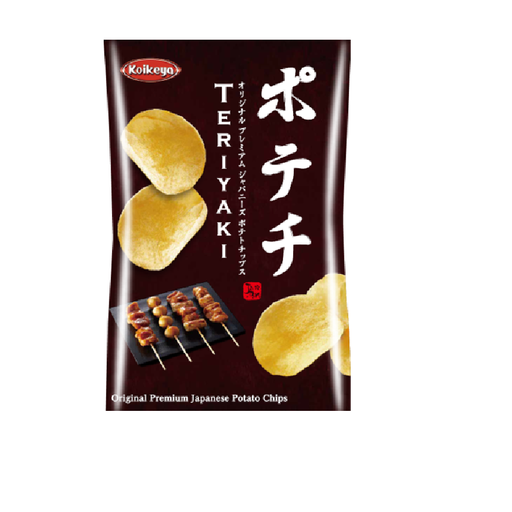
Why it suits this profile: The familiar texture of a potato crisp makes this snack accessible to anyone trying Asian snacks for the first time. The teriyaki flavour is a good alternative for those who find wasabi or chilli too strong.
The product clearly states a weight of 100 grams and has a familiar flavour. However, always check the current ingredients list on the packaging.
100-gram pack, potato base and teriyaki sauce powder listed among the ingredients.
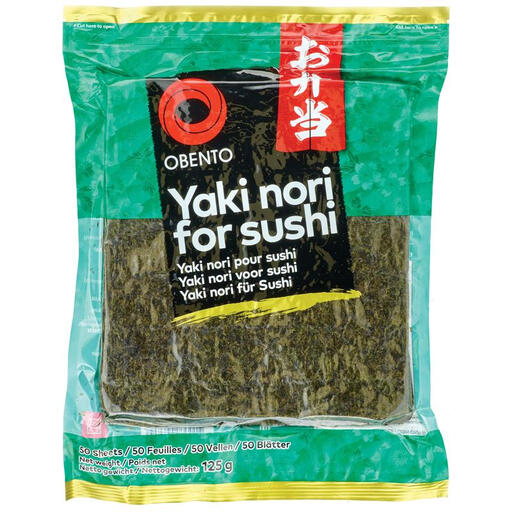
Why it suits this profile: This large pack is practical for fans of pure Japanese seaweed, sushi and snacks without complex flavour blends.
The country of origin and ingredients are clearly included in the product information. These are pure seaweed sheets, not a snack with hidden wasabi or chilli flavouring.
50 roasted sheets, 125 grams in total, suitable for sushi, rice balls or eating straight from the pack.
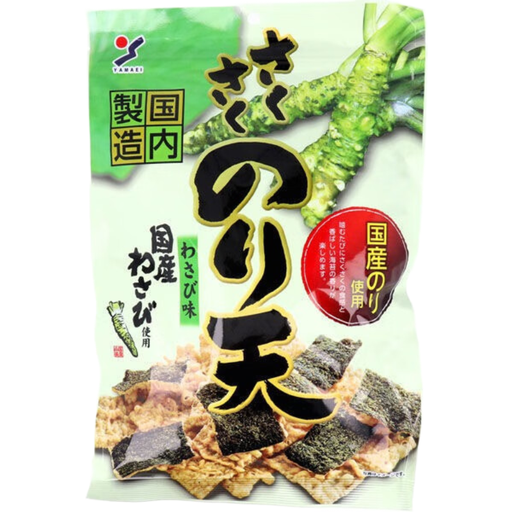
Why it suits this profile: This snack combines seaweed with tempura batter and a pronounced wasabi seasoning. It is ideal for anyone deliberately looking for a strong flavour and extra crunch.
The product information identifies the tempura coating, wasabi flavour and allergens separately. This makes it clear in advance that wheat, egg and soya require attention.
70 grams, crunchy tempura batter and a clearly described wasabi seaweed flavour profile.
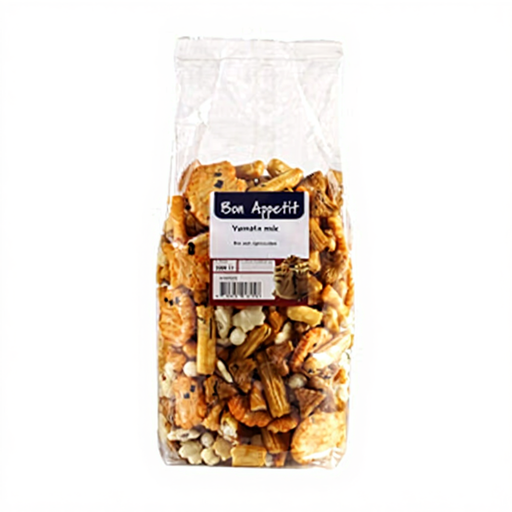
Why it suits this profile: The 300-gram bag is designed for sharing. Rice, soy sauce, seaweed and chilli offer more variety than a single crisp flavour.
The weight is clearly stated as 300 grams, making it easy to plan portions for a group in advance. However, be aware of soya and possible traces of peanuts, nuts and sesame.
86% rice according to the product information, 300 grams of contents and a mix with seaweed and chilli powder.
We have put together a complete, up-to-date list of products that fully meet these strict selection criteria and the applicable European safety regulations.
Start with a familiar base, such as teriyaki crisps, plain seaweed or a mild rice cracker. Wasabi, chilli and seafood snacks often have more pronounced flavours. If you are unsure, check the ingredients and choose a small pack to begin with.
Keep them sealed in a cool, dry place, away from direct sunlight and moisture. Seaweed snacks and crisps in particular quickly lose their crunch when left open. Always follow the storage advice and best-before information on the label.
Compare the net weight, price per pack and price per 100 grams. Also check the country of origin, flavour intensity and allergens. For seafood snacks, fish, crustaceans and molluscs are particularly important points to consider. This will help you make a more informed choice from Japanese crisps, rice crackers, seaweed snacks and Japanese party mixes.
