
Vandaag of morgen in huis

Kwaliteit gegarandeerd

Welkomstaanbiedingen ontgrendelen: GRATIS bezorging | Tot 80% korting | Gratis 30 dagen JoyPlus-proefperiode
Download de app
Buying Japanese snacks in the Netherlands may seem straightforward, but the range includes many different types of product. Think Japanese sweets, Japanese biscuits, mochi, dorayaki, cakes, matcha and tea snacks, seaweed and ingredients for sushi. The packaging may look appealing, while the contents may not suit how you plan to enjoy them, your allergies or the storage space you have available.
Pay particular attention to these three common pitfalls:
Are you looking for a sweet Japanese treat to enjoy with tea, a snack for when you’re out and about, or ingredients for a meal? This distinction will determine your choice.
A clear product description is helpful, but the information on the packaging remains the final reference. Recipes, packaging and best-before dates may change.
A 16.5-gram serving is handy for trying something new, a lunch box or a gift hamper. A 180- or 200-gram pack is more suitable when you want to share. Individual wrapping can help reduce waste, although it may sometimes mean more packaging material.
Also pay attention to the closure. Crispy seaweed products quickly absorb moisture after opening. Store them in a dry place, away from sunlight and tightly sealed. Cakes and some desserts, on the other hand, may need to be refrigerated. A product that must be kept chilled is less suitable for storing in a kitchen cupboard for an extended period.
At a minimum, check for:
For example, according to the product information provided, Meito Pukupukutai Chocolate Wafer contains 539 kcal, 29.7 grams of fat and 36.4 grams of sugars per 100 grams. This makes it a compact sweet snack, but not automatically the right choice for every dietary preference.
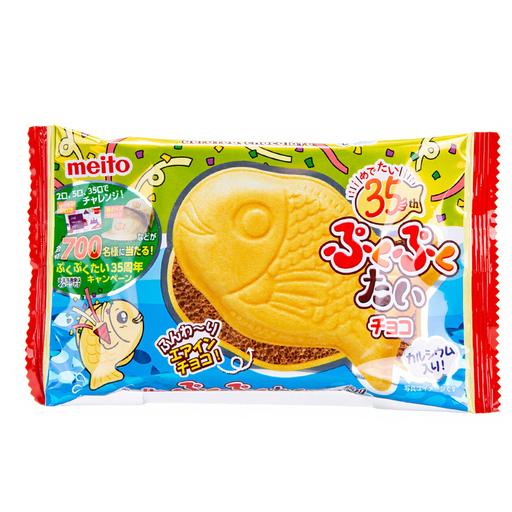
Why it suits this profile: The 16.5-gram serving makes it easy to try Japanese biscuits without immediately buying a large pack.
The small format limits the risk of waste if you want to try the flavour first.
Chocolate wafer in an individual serving; contains wheat and milk/lactose according to the product information.
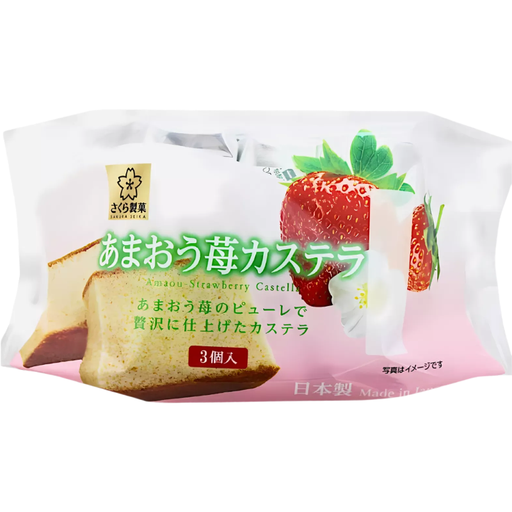
Why it suits this profile: The three individually wrapped pieces are ideal for serving with tea, enjoying as a dessert or giving as a gift.
The portioning means you do not have to open the whole pack at once.
Soft castella with Amaou strawberry flavour; three individually wrapped pieces; contains egg and wheat.
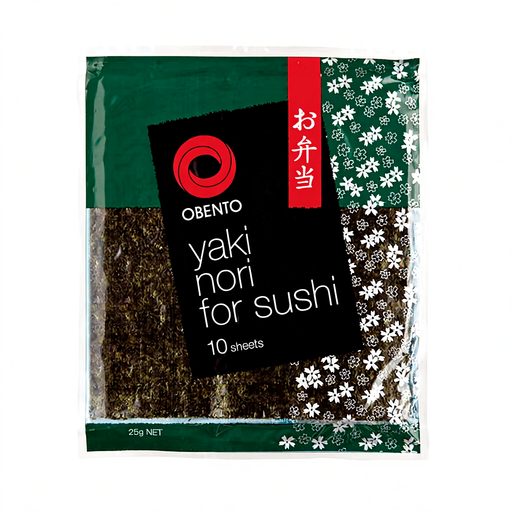
Why it suits this profile: Ideal if you regularly make sushi, hand rolls, rice bowls or onigiri and want to plan around a set number of sheets.
The specification of 10 sheets is clearer for meal planning than an unspecified loose pack.
10 roasted nori sheets weighing 25 grams in total; suitable for sushi, onigiri and rice dishes.
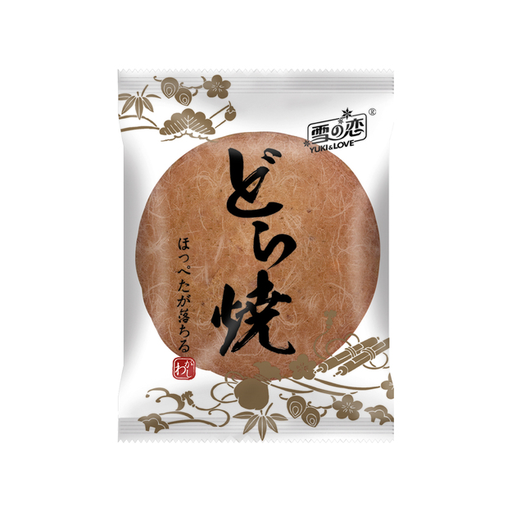
Why it suits this profile: A compact serving for anyone who wants to try dorayaki with coffee or tea without building up a large supply.
The product information states that it originates from Taiwan, so you will not confuse its Japanese style with production in Japan.
55 grams; soft cake with red bean filling; contains soya, wheat and egg and may contain traces of peanuts, nuts and sesame.
We have put together a complete, up-to-date list of products that fully meet these strict selection criteria and the applicable European safety regulations.
For a rice dish, you could use Nihon Kaisui Nori Furikake 50g. The product description mentions nori, roasted sesame and savoury seasonings. Check the current ingredients list if you are allergic to sesame or soya.
If you are mainly looking for nori for sushi, you could also consider Delief Roasted Seaweed Sushi Nori 24g. According to the information provided, this product consists of roasted seaweed and salt and originates from South Korea. For a snacking occasion, Kimnori Original Seasoned Seaweed Snack 3 x 4g is a smaller, seasoned option.
Sweet snacks include Tokimeki Panda Cookie Biscuit Chocolate Flavor 40g, Sakuraseika Hokkaido Milk Cake 3pieces 112g, Atom Japanese Banana Baum Cake 80g and Funwari Kaoru Baumkuchen Cake Plain 52g. Always check the storage instructions for cakes, as some products must be kept refrigerated.
You can compare Japanese and Asian snacks online by product type, weight, ingredients, allergens, origin and storage method. This makes it easier to see whether you are looking for a snack to enjoy straight away or an ingredient for sushi, onigiri or rice dishes.
Shelf life varies by product. Dry biscuits and wafers can generally be stored in a cool, dry place away from direct sunlight. Once opened, nori should be sealed properly to keep moisture out. Cakes with refrigeration instructions should be stored in the fridge according to the label. The official date and instructions on the packaging are always the final reference.
Mochi has an elastic outer layer made from sticky rice dough and often contains a sweet filling. Dorayaki consists of two soft cake halves, usually with red bean paste in between. Japanese cake, such as castella or baumkuchen, has a soft cake or layered texture. For all three categories, check the origin, ingredients and allergens before placing your order.
