
Vandaag of morgen in huis

Kwaliteit gegarandeerd

Welkomstaanbiedingen ontgrendelen: GRATIS bezorging | Tot 80% korting | Gratis 30 dagen JoyPlus-proefperiode
Download de app
Buying Japanese snacks seems simple: choose eye-catching packaging, add a few flavours to your basket and try something new. Yet there are a few pitfalls. A small pack can work out relatively expensive, product information is not always fully visible in an online shop, and a flavour name tells you little about allergens or nutritional values.
With this practical checklist, you can focus on the points that really matter. This makes it easier to compare Japanese sweets, Japanese biscuits, Pocky, wafers and chocolate in a sensible way.
Japanese treats are often sold in compact packs. That is handy for a lunchbox, tasting session or snack break, but it is not always cost-effective when you want several people to share. Compare the net weight, number of servings and price per pack.
A 40 or 50 g bag is ideal for trying a flavour. For a film night or family, a multipack or larger bag may be more practical.
A name such as strawberry, cheesecake or milk suggests a clear flavour, but the ingredients may also include palm oil, milk derivatives, soya, colourings or flavourings. The product information available in an online shop may also differ from the physical label.
Always check the packaging when your order arrives. According to Glico’s product information, the strawberry flavour of Pocky contains wheat, milk and soya, for example. If you need to take allergies or intolerances into account, use the current label as your reference point.
Japanese gummies and other sweet snacks often contain sugar or glucose syrup. Even a sour flavour can be combined with a high sugar content. So do not just look for words such as fruit, berry or soda. Check the nutritional information per 100 g and per serving as well.
For consumers in the Netherlands, allergen information is an important point to check. Look out for:
For example, the product information for Meito Pukupukutai Chocolate Wafer lists wheat and milk derivatives. According to the product specification, Meiji Hello Panda Biscuits with Double Chocolate Filling contain milk, soya and wheat. If in doubt, always check the physical label, as recipes or packaging may change.
Compare Japanese biscuits and Japanese chocolate by weight, not just by the number of pieces. A box containing several small bags can be handy for school, the office or when you are out and about. A single bag is often more practical when you want to share.
Also consider individual portions. Glico Pocky Strawberry Flavor comes in a 45 g pack. This makes it a compact choice for a first taste or a snack on the go. Meito Pukupukutai Chocolate Wafer is available in 16.5 g packs, which can be useful when you want to combine several flavours.
Most biscuits, wafers and chocolate snacks should be stored in a cool, dry place, away from direct sunlight, heat and moisture. Once opened, seal the packaging securely to help preserve the texture. Do not use a product if the packaging is damaged.
Check the best-before information on the packaging. With imported snacks, the date may be displayed differently from what you are used to. Also check whether chocolate has softened or developed a whitish bloom due to heat. This does not automatically say anything about its safety, but it can affect the taste and texture.

Why it suits this profile: The compact 45 g pack is ideal for trying Pocky without immediately buying a large supply. The strawberry flavour is a good choice for fans of fruity Japanese snacks.
The net weight is clearly stated, making it easy to compare the portion with other Japanese biscuits and biscuit sticks.
45 g; crunchy biscuit stick; strawberry flavour; according to the product information, contains wheat, milk and soya.
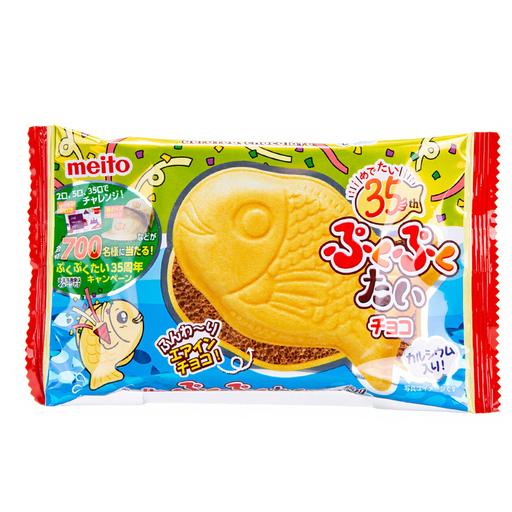
Why it suits this profile: The small portion combines a wafer texture with chocolate and is ideal for an organised tasting session or a small snack with coffee.
The portion size means you do not have to buy a large pack before knowing whether you like the flavour. However, do check the current ingredients list.
16.5 g per pack; wafer with chocolate flavour; product information lists wheat and milk derivatives.
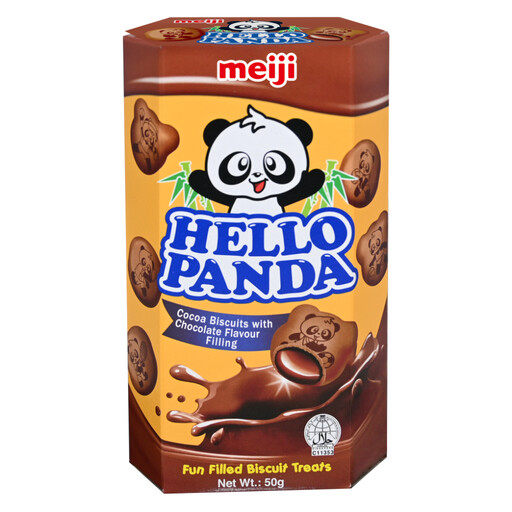
Why it suits this profile: The 50 g pack is easy to take to school, the office or on the go. The combination of biscuit and double chocolate filling offers a different texture from an ordinary chocolate bar.
The size is clear upfront, so you can choose the number of packs to suit individual use or sharing.
50 g; biscuit with double chocolate filling; according to the product information, contains milk, soya and wheat.
We have put together a complete, up-to-date list of products that fully meet these strict selection criteria and the applicable European safety regulations.
Would you like to order snacks online? Before checking out, make sure you check:
Alongside Japanese snacks, the wider range also includes Asian snacks from other countries, such as fruity gummies, biscuits and savoury options. This allows you to combine several flavours without relying solely on the packaging.
A small pack of Pocky, a Meito wafer or Meiji Hello Panda is a practical choice for a first taste. You can compare different textures and flavours without immediately buying large quantities.
Check the sugar content, whether they contain gelatine and the allergen information. Some gummies are suitable for sharing, but contain relatively high levels of sugar per 100 g. If you follow a vegetarian or vegan diet, gelatine is an important point to consider.
Store them in a dry place away from direct sunlight. Seal the packaging securely to keep crunchy biscuits and biscuit sticks in the best possible condition. Store chocolate at a stable, cool temperature and away from heat sources.
