
Vandaag of morgen in huis

Kwaliteit gegarandeerd

Welkomstaanbiedingen ontgrendelen: GRATIS bezorging | Tot 80% korting | Gratis 30 dagen JoyPlus-proefperiode
Download de app
As a Product Recommendation Officer at Joybuy, I see the growing interest in Japanese snacks every day. Their unique flavours, textures, and beautiful packaging make discovering Asian delicacies an adventure. However, these same qualities can also lead to disappointment. A beautiful box doesn't always guarantee delicious contents, and what looks appealing online can be underwhelming in reality.
This guide will help you avoid common pitfalls. We'll discuss what to look for, so you can confidently choose the Japanese snacks that truly suit your taste.
Before you fill your shopping cart, it's wise to be aware of a few common missteps. This will prevent you from spending money on a snack that doesn't meet your expectations.
To make a good choice, it's helpful to understand a few basic characteristics of Japanese snacks.
Texture is crucial to the eating experience. Pay close attention to the description to know what to expect:
Japanese snacks offer a wide palette of flavours that go far beyond just chocolate or vanilla.
To help you get started, we've highlighted a few products that cater to different preferences. These choices are based on their clear product characteristics and popularity.
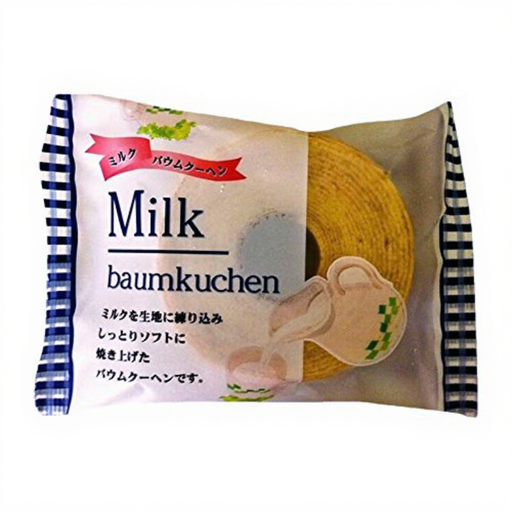
Why This Fits Their Persona: Perfect for those who want an approachable start. The texture of this Japanese cake is similar to European cakes, but softer and more moist. The mild milk flavour is familiar and not too overpowering.
The individual packaging makes the portion size immediately clear. The flavour is soft and creamy, minimising the risk of an unexpected (savoury) taste experience.
Soft, layered baumkuchen texture. Individually wrapped for convenience and freshness. Free from artificial colours and preservatives.
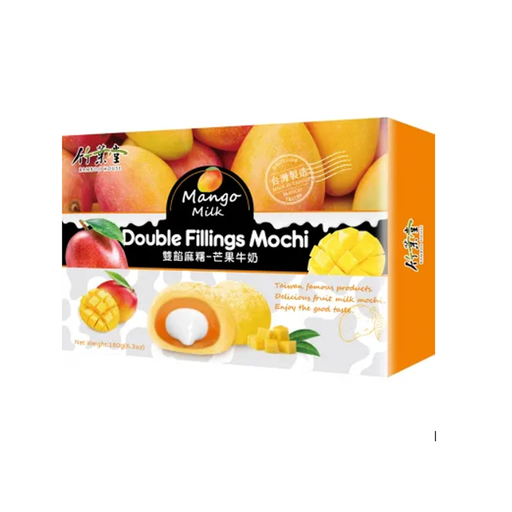
Why This Fits Their Persona: For those specifically seeking the unique, elastic 'Q-texture'. If you're planning on buying mochi, this product offers a layered flavour experience that goes beyond standard varieties.
The product description highlights the "authentic 'Q' texture" and the double filling. This manages expectations and avoids the pitfall of an unexpectedly firm or overly soft texture.
Double filling of mango paste and creamy milk paste. Made in Taiwan, known for quality mochi. Individually wrapped for freshness.
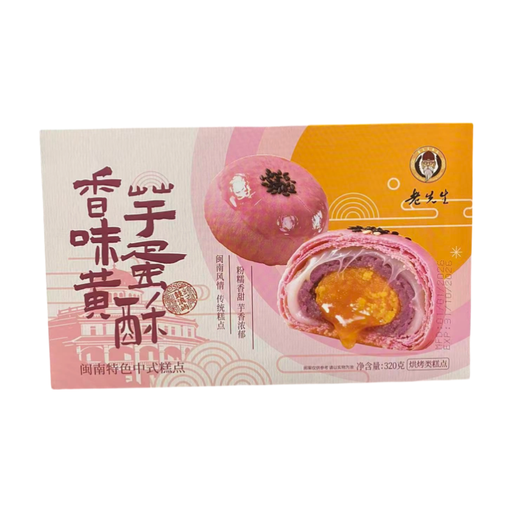
Why This Fits Their Persona: For those who aren't afraid of a complex flavour combination. This biscuit combines a sweet taro filling with the savoury taste of salted egg yolk and the chewy texture of mochi. A true journey of discovery in a single bite.
This product bypasses the "unexpected flavour" pitfall by presenting its unique combination of sweet and savoury as a key feature. The description is specific about the filling, so you know you're choosing an adventurous snack.
Unique, layered filling with taro, salted egg yolk, and mochi. Offers a complex taste experience that is sweet, savoury, and chewy. Crispy exterior with sesame seeds.
The world of Japanese and Asian cakes is vast. If this guide has left you craving a soft, layered treat, explore our curated selection.
Mochi is the name for the glutinous rice dough itself. Daifuku (literally "great fortune") is a specific confection where a ball of mochi is filled, usually with sweet red bean paste (anko). In practice, the terms are often used interchangeably for filled mochi balls.
Most pre-packaged snacks like cakes, biscuits, and mochi are best stored in a cool, dry place, away from direct sunlight. After opening, it's advisable to keep them in an airtight container to prevent them from drying out or becoming tough. Always check the storage instructions on the packaging.
No, definitely not. A large portion of the snack range is savoury (or a combination of sweet and savoury). Think of rice crackers (senbei) with soy sauce or seaweed flavours, or snacks with savoury fillings like cheese or corn. Read the product description carefully to know whether you're choosing a sweet or savoury treat.
