
Vandaag of morgen in huis

Kwaliteit gegarandeerd

Welkomstaanbiedingen ontgrendelen: GRATIS bezorging | Tot 80% korting | Gratis 30 dagen JoyPlus-proefperiode
Download de app
Buying Japanese snacks seems simple enough – until you have to choose between mochi, gummies, biscuits, wafers and seaweed snacks. The packaging often features tempting flavours and eye-catching characters, but that doesn’t always tell you exactly what you’re getting. A small bag, for example, can contain a lot of packaging, while the flavour might not match what you expected.
As a Joybuy Product Recommendation Officer, I filter the range based on practical points: product type, contents, allergens, nutritional information, storage instructions and when to eat them. That way, you can compare Japanese sweets and other Asian snacks without relying solely on marketing claims.
Products in a Japanese style can be made in different countries. So always check the country of origin and the responsible importer. Not every product in the range is actually produced in Japan. For example, Seiki Ramune Mochi is described as imported from Japan, while other products list their origin as South Korea, Taiwan or China.
If you’re specifically looking for Japanese treats, it’s worth reading the product information rather than just looking at the packaging.
A term like “strawberry”, “matcha” or “cookies & cream” mainly describes the flavour direction. It doesn’t tell you how much fruit, tea or cocoa the product actually contains. In gummies, the fruity taste might come from concentrated juice and flavouring. In biscuits, “chocolate” could refer to cocoa powder, a filling or a coating.
So check the ingredients list and pay attention to the order. Ingredients listed first generally make up a larger proportion of the product.
Japanese snacks are often sold in portions of 25 to 55 grams. That’s handy for a lunchbox, gift set or tasting selection, but the price per 100 grams can be higher than for larger packs. So don’t just compare the total price – also look at:
Many Japanese biscuits, wafers and mochi contain wheat, milk, soya, egg or sesame. Some gummies and soft sweets contain gelatine. Meito Pukupukutai Chocolate Strawberry Wafer, for example, lists wheat flour and milk ingredients. The Pocky Cookies & Cream variant contains wheat, milk and soya, and may contain traces of egg and nuts.
Always read the label on the packaging you receive. Product compositions and packaging information can change. If you have an allergy or intolerance, the current packaging is the deciding factor.
The product type largely determines the eating experience:
So don’t choose based on flavour alone – also consider the texture you want and the occasion for eating the snack.
Nutritional values are usually given per 100 grams, while the pack contains a smaller portion. A 40-gram snack doesn’t automatically contain the full values shown on the label. Also look at sugar, fat, salt and allergens if you want to combine several types.
Store biscuits, wafers and seaweed snacks in a dry place away from sunlight. Seal opened packs well to keep them crunchy. Mochi and jelly products may have different instructions. Always check the best-before date and the instructions on the packaging.
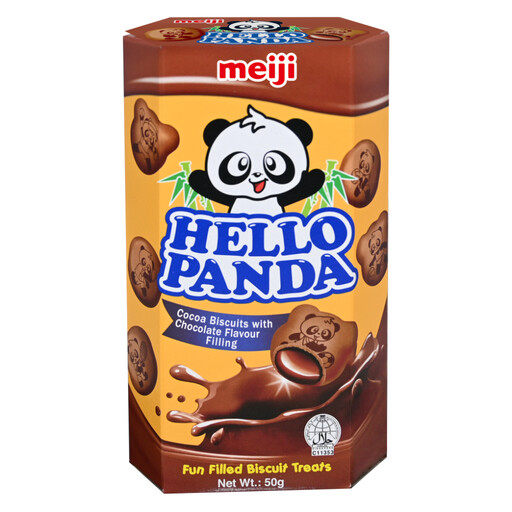
Why this fits the profile: The 50-gram pack is a straightforward introduction to Japanese biscuits with a chocolate filling.
The net weight and nutritional values are clearly stated. Do check the ingredients, though, as the product contains milk, soya and wheat.
50 grams per pack, a crunchy biscuit texture and a double chocolate filling according to the product description.
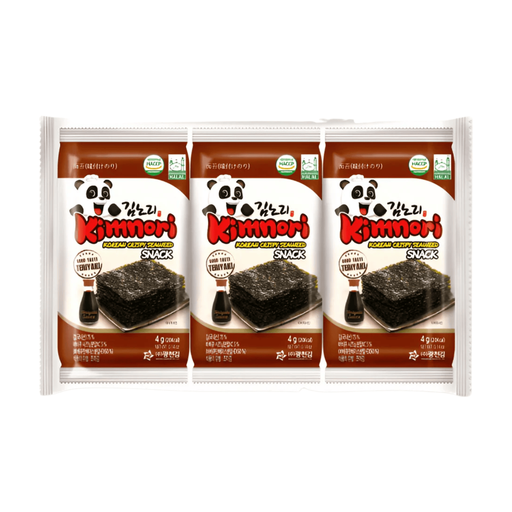
Why this fits the profile: The three individual 4-gram sachets suit shoppers who pay attention to portion control, packaging and versatile use.
The total contents of 12 grams are split into three portions, so you don’t have to open the whole pack at once.
Roasted seaweed with teriyaki flavour; suitable for eating straight away or combining with rice, noodles and soup. Contains soya and sesame oil.
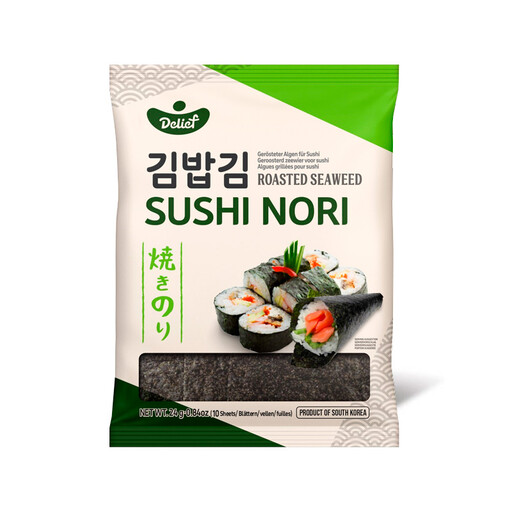
Why this fits the profile: This nori is intended for sushi, rice rolls and other meals, making it suitable for regular use in the kitchen.
The intended use is clear: the product isn’t just a snack, but also suitable for preparing sushi and rice dishes.
24 grams of roasted nori, with salt as a listed ingredient and no declared allergens from the 14 main EU categories.
We’ve put together a full, up-to-date list of products that fully meet these strict selection criteria and comply with current European safety regulations.
You can compare Japanese snacks online based on flavour, product type, contents, allergens and shelf life. Don’t just look at the picture – open the product details too. There you’ll find information about ingredients, storage and nutritional values. For a gift or tasting pack, you can combine several small packs, while families are often better off with multiple portions.
The shelf life varies by product. Dry biscuits, wafers and unopened seaweed snacks can generally be stored for longer if kept dry and away from direct sunlight. For mochi, jelly and soft sweets, follow the date and storage instructions on the packaging. After opening, the texture can change quickly, especially with crunchy products.
That depends on the ingredients, texture and the child’s age. Check for allergens such as milk, soya, wheat, egg, sesame and gelatine. Mochi is chewy and therefore needs extra care when eating. Also read any warnings on the packaging and let children eat snacks calmly under supervision.
