
Vandaag of morgen in huis

Kwaliteit gegarandeerd

Welkomstaanbiedingen ontgrendelen: GRATIS bezorging | Tot 80% korting | Gratis 30 dagen JoyPlus-proefperiode
Download de app
Japanese snacks are popular with fans of sweet, original flavours. From crunchy biscuit sticks and Japanese wafers to dorayaki with red bean filling, there is plenty to choose from. That can make it difficult to quickly find the right option for home, a lunchbox or snacking on the go.
Pay particular attention to three common pitfalls:
Small packs are practical for individual use. For example, Meito Pukupukutai is available in portions of 16.5 grams. This size fits easily in a bag or lunchbox. A larger pack, such as Hello Panda Biscuits Choco Filling XL at 260 grams, makes more sense if you want to share or keep several portions at home.
When comparing different sizes, check the price per 100 grams. This prevents a multipack or larger pack from seeming attractive solely because of its lower price per item.
Many Japanese biscuits, Japanese cookies and Japanese chocolate snacks contain wheat, milk and soya. Some varieties also contain egg, barley, nuts or sesame. If you have an allergy or intolerance, always follow the allergen information.
Examples from the range:
The ingredients and warnings may vary between batches or imported packs. Always check the physical label before consuming the product. Information on a webshop is a useful guide, but it does not replace the packaging.
Sweet snacks often contain relatively high levels of energy, fat and sugar per 100 grams. Portion size also makes a difference. According to the product information, Meito Pukupukutai Chocolate Strawberry Wafer contains 539 kcal and 36.4 grams of sugar per 100 grams. A 16.5-gram portion therefore contains less than a large bag of biscuits, but it is still a sweet treat.
If you are looking for a pronounced flavour, check where the flavouring ingredient appears in the ingredients list. Meiji Strawberry Chocorooms lists strawberry powder at 1.0%. Hello Panda with strawberry filling lists 0.4% strawberry powder. Names such as “strawberry snack” or “strawberry flavour” therefore do not automatically mean that the product consists mainly of strawberry.
Your choice depends on when you want to eat the snack and on the flavour and texture you are looking for. Biscuit sticks are easy to share, wafers are light and crunchy, while dorayaki is softer and more filling. Matcha biscuits generally combine a green tea flavour with sweeter biscuit or chocolate notes.

Why it suits this profile: The 45-gram pack is a manageable size for trying Pocky and a strawberry flavour without immediately buying a larger pack.
The weight is clearly stated, making it easier to compare portions and prices. However, check the label for wheat, milk and soya.
45 grams; biscuit sticks with strawberry flavour; suitable for breaks, lunchboxes and eating on the go.

Why it suits this profile: This soft Japanese wafer cake offers a different texture from crunchy biscuits, combining cake with chocolate.
The product information lists the ingredients, allergens and nutritional values per 100 grams. This allows you to base your choice on specific information.
52 grams; soft cake; chocolate flavour; contains egg, wheat, milk and soya.
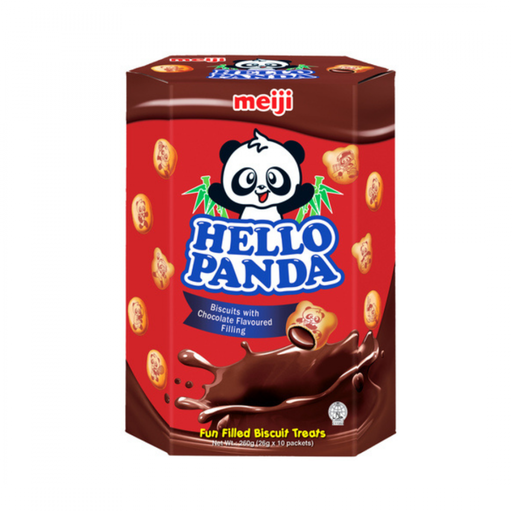
Why it suits this profile: The XL size is practical for families, film nights or occasions when you want to share Japanese biscuits.
By factoring the 260-gram weight into your comparison beforehand, you can better judge whether a large pack suits your consumption habits.
260 grams; crunchy biscuits with chocolate filling; suitable for sharing; contains wheat, milk and soya.

Why it suits this profile: The combination of matcha and chocolate flavour is ideal if you want to look beyond standard chocolate biscuits.
The product information states the flavour profile and the 70-gram size. Before buying, also check the origin and allergens: this product is made in China and contains wheat, milk and soya.
70 grams; matcha mousse and chocolate flavour; ideal with tea or coffee.
We have put together a complete, up-to-date list of products that fully meet these strict selection criteria and the applicable European safety regulations.
Store biscuits, wafers and chocolate snacks according to the packaging instructions: usually in a cool, dry place, away from direct sunlight and heat or moisture. Seal opened packaging securely. This helps keep biscuit sticks crunchy and prevents softer products from drying out too quickly.
When it comes to dorayaki, pay attention to the oxygen absorber or sachet of desiccant inside the packaging. These are not edible and should be thrown away immediately. Also check the packaging for damage and look at the product itself for the use-by or best-before information.
Small packs such as Pocky at 40 to 48 grams, Hello Panda at 50 grams and Meito Pukupukutai at 16.5 grams are practical for eating on the go. They take up little space and can easily be divided into individual portions. In summer, keep chocolate products away from direct sunlight and heat.
Pocky consists of crunchy biscuit sticks with a coating. Hello Panda consists of small filled biscuits decorated with a panda image. Dorayaki is made from two soft cake halves with a sweet red bean filling. The right choice therefore depends mainly on the texture and filling you prefer.
This varies from product to product and from child to child. Always check the allergens, portion size and ingredients list. Some products contain wheat, milk, soya or egg. A small pack can help you keep the amount manageable, but sweet snacks are still intended as a treat rather than a meal replacement.
