
Vandaag of morgen in huis

Kwaliteit gegarandeerd

Welkomstaanbiedingen ontgrendelen: GRATIS bezorging | Tot 80% korting | Gratis 30 dagen JoyPlus-proefperiode
Download de app
Buying Japanese snacks online is appealing if you’re looking for something different from the usual biscuits or chocolate. Think matcha snacks, Japanese daifuku, baumkuchen, Pocky and unusual Japanese KitKat flavours. But the range can be misleading. Eye-catching packaging tells you little about what’s inside, how long it will keep or whether it’s right for your needs.
Use this practical guide to compare Japanese sweets, biscuits and chocolate based on the things that really matter when shopping in the UK.
Some products have a Japanese brand name or packaging but are made in another country. So check the country of origin, the importer and the information on the label. For example, according to the product information, Glico Pocky Choco Standard is made by a manufacturer in South Korea, while Japan is explicitly listed as the country of origin for the matcha KitKat.
Words such as ‘matcha’, ‘strawberry’ or ‘banana’ don’t automatically mean a product contains much of that ingredient. Check the ingredients list and pay attention to the order. For example, strawberry powder is listed at 1.0% in Meiji Strawberry Chocolate Chocorooms. The strawberry flavour also comes from flavourings.
The same applies to claims such as ‘natural flavour’ or ‘authentic experience’: treat these as brand marketing and check the ingredients for yourself.
Some Japanese sweets and biscuits can be stored at room temperature, but daifuku may be delivered frozen. According to the product information, Kohyo Soy Cream Daifuku Chestnut must be stored frozen and kept chilled after defrosting. The matcha KitKat has a short shelf life, according to the seller.
Before ordering, check:
For anyone with an allergy or intolerance, the ingredients list matters more than the product photo. Many Japanese biscuits and wafers contain wheat, milk and soya. Some products may also contain traces of egg, nuts, almonds or sesame.
Examples from the range:
If you have an allergy, use the full packaging as your only source of information. Online product details may change.
A 100g bag isn’t automatically better value than several smaller portions. Individually wrapped snacks are handy for a lunchbox, the office or a film night with friends. Smaller packs also make it easier to keep track of how much you’re eating at a time.
Nestlé KitKat Itoen Matcha & Chocolate contains 9 individually wrapped bars, with a total weight of 104.4g. Meiji Chocorooms come in a compact 36g portion. Pocky is available in packs of around 45 to 46g.
Choose based on texture as well as flavour:
The instructions are especially important for konjac jelly. According to the product description, Orihiro Purunto Orange Konjac Jelly should be gently squeezed out of the packaging and chewed thoroughly. Supervise young children and follow the instructions on the packaging.
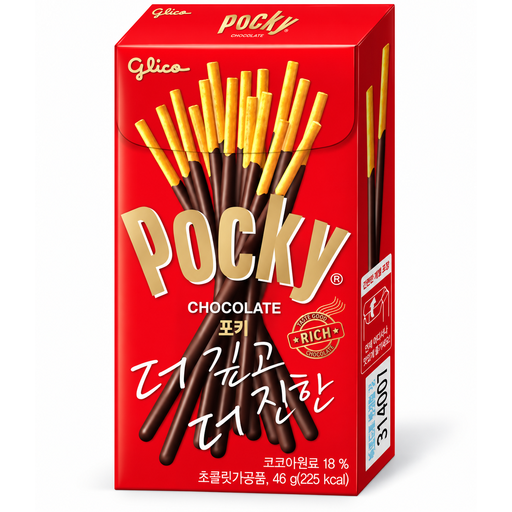
Why it suits this shopper: A compact pack combining familiar biscuit and chocolate flavours. A handy introduction to Japanese snacks, or a treat to enjoy on the go.
The product information lists the ingredients, allergens and nutritional values, so you don’t have to rely on the packaging alone.
46g; crunchy biscuit sticks; chocolate coating; ideal for sharing.
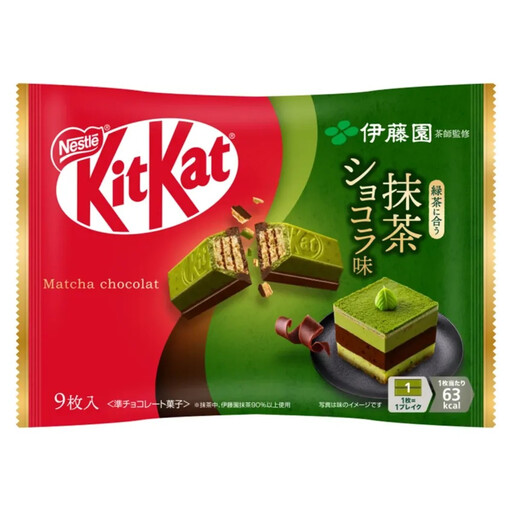
Why it suits this shopper: For anyone looking for a distinctive Japanese flavour combination, with several portions to share or enjoy over time.
The pack contains 9 individual bars, and the product information lists the country of origin and allergens, as well as warning that it has a short shelf life.
104.4g; 9 individually wrapped bars; matcha, white chocolate and crunchy wafer.
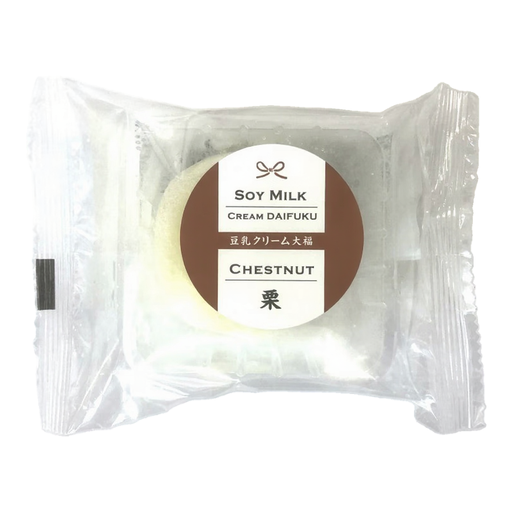
Why it suits this shopper: A good choice for fans keen to try soft, chewy Japanese daifuku who can accommodate frozen storage.
The storage instructions are clear: keep frozen, refrigerate after defrosting and do not refreeze.
60g; chestnut filling; soya cream; soft rice cake; temperature-controlled delivery according to the product information.
We’ve put together a complete, up-to-date list of products that meet these strict selection criteria and current European safety requirements.
Japanese KitKat, Pocky and chocolate wafers are handy for a film night because they’re easy to share. Small packs such as Tokimeki Panda Cookie or Meiji Chocorooms are a good fit for a lunchbox. If you’re after a soft texture, try Japanese baumkuchen or daifuku. For a tangy option, Orihiro Purunto Orange Konjac Jelly is worth considering, as long as you follow the instructions and age guidance on the packaging.
When choosing sweet snacks, check the nutritional information per 100g too. The figures vary: Pocky Choco lists 470 kcal per 100g, while the matcha KitKat lists 543 kcal per 100g. This doesn’t tell you anything about taste or product quality, but it does help you make a fair comparison.
You can buy Japanese sweets online from specialist webshops and platforms with an Asian range. Before buying, check the ingredients, allergens, shelf life, origin and delivery conditions. This is especially important for chilled or frozen products.
Shelf life varies by product. Dry biscuits, chocolate and sweets can usually be stored at room temperature, as stated on the label. Daifuku may have a shorter shelf life and may need to be kept in the freezer. Always check the best-before date on the packaging and follow the manufacturer’s storage instructions.
The price per gram can be higher because of import costs, smaller packs and distinctive ingredients such as matcha. So compare more than just the price per pack: consider the net weight, number of portions and storage requirements too. When sharing, a multipack of individually wrapped bars may be more practical than several separate bags.
