
Vandaag of morgen in huis

Kwaliteit gegarandeerd

Welkomstaanbiedingen ontgrendelen: GRATIS bezorging | Tot 80% korting | Gratis 30 dagen JoyPlus-proefperiode
Download de app
The world of Japanese snacks is vast and enticing. Whether you're an anime fan, planning a trip to Japan, or simply looking for new flavors, the online selection can be overwhelming. Colorful packaging and exotic names promise a unique experience. But how can you be sure you're not buying a dud?
As a Joybuy Product Recommendation Officer, I see how consumers navigate the enormous selection every day. In doing so, a few common pitfalls stand out that lead to disappointment and wasted money.
seaweed snack might sound like a light choice, but it can contain an unexpected amount of salt. It's important to look beyond the marketing claims on the front.This guide will help you avoid these pitfalls and make choices that suit your taste.
Before you fill your digital shopping cart, there are a few objective specifications you can check. This will help you make an informed choice and find the flavors you're truly looking for.
Japanese snacks are known for their complex flavors, which go beyond just salty or sweet. The key to a good purchase is identifying the dominant flavor profile.
Japanese crackers): These are snacks often flavored with ingredients like soy sauce, miso, or sea salt. Think of rice crackers (senbei) or certain types of Japanese chips. They are perfect for pairing with drinks.Japanese candy): From fruity gummies to creamy chocolate, the selection is huge. If you're looking to order Japanese candy online, look for ingredients like matcha (green tea), azuki beans (sweet red beans), or specific fruits like yuzu.Asian snacks unique. Ingredients like seaweed (nori), dashi (fish stock), and shiitake mushrooms provide this deep, savory flavor. A seaweed snack is a classic example of this.Practical tip: Check the ingredients list. The presence of soy sauce, seaweed, or fish extract often indicates a strong umami flavor.
Texture is just as important as flavor. The base ingredient gives you a good indication of the bite you can expect.
Japanese chips can range from thin and crispy to thick and ridged.By knowing which base ingredient is used, you can better predict whether you will enjoy the snack's texture.
To get you started, we've highlighted some popular choices and matched them with different taste preferences.
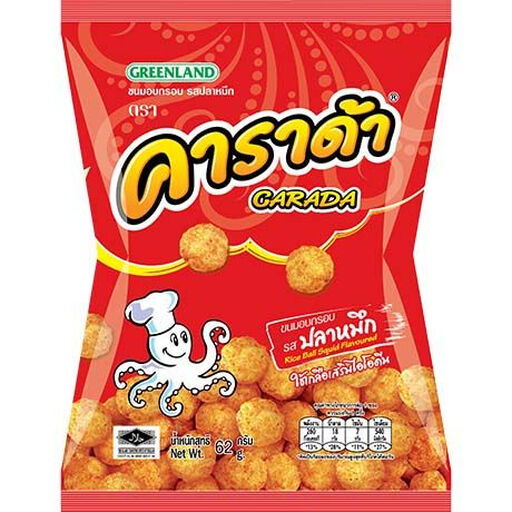
Why This Fits Their Persona: Ideal for those who aren't afraid of a bold flavor. This snack combines the light, airy texture of puffed rice with a deep, savory umami flavor from squid, a popular combination in Japanese convenience stores.
This isn't a vague "seafood flavor." The product description is clear about the squid flavor and its Japanese inspiration, so you know exactly what unique taste to expect.
Authentic Asian umami flavor. The texture is light and crispy, not heavy or greasy.
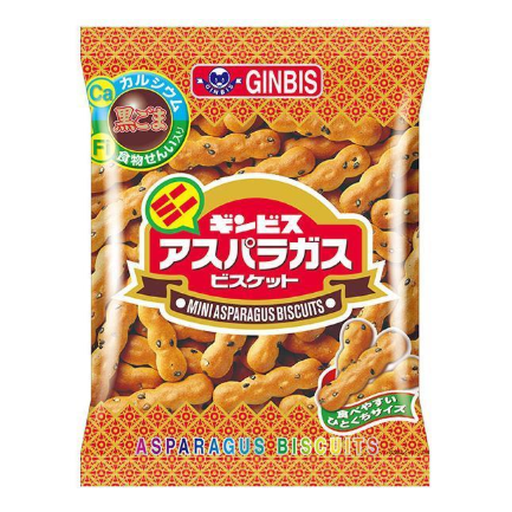
Why This Fits Their Persona: For those who love a classic savory snack, but with a Japanese twist. These biscuits from the well-known Japanese brand Ginbis are a household name. The savory, nutty flavor of black sesame is approachable yet distinctive.
This is an authentic product from a reputable Japanese brand, not a vague imitation. The name "Asparagus" refers to the shape, not the flavor, and the description highlights the real flavorings: black sesame and salt.
A classic Japanese snack with a crunchy texture. The combination of salt and sesame is a tried-and-true success.
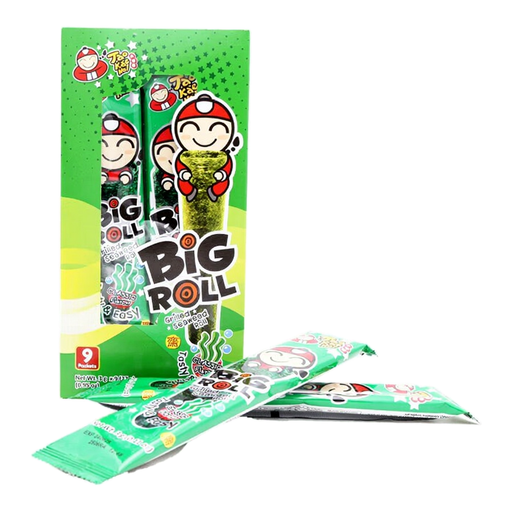
Why This Fits Their Persona: For those looking for a light, savory snack. This rolled seaweed is crispy and full of umami flavor. The individual packaging makes it a convenient, portioned snack for on the go.
This product avoids the "hidden ingredients" trap by being transparent. The nutritional information per serving (one 3g roll) is clearly stated, showing that the salt content per serving (0.12g) is limited.
Low in calories (10 kcal per roll) and individually portioned. Offers an intense umami flavor and a satisfying crunch.
We've compiled a complete, up-to-date overview of products that meet these objective selection criteria.
The biggest difference is the flavor profile. While Western chips often feature flavors like paprika, plain salted, or cheese, Japanese chips use distinctly Asian seasonings. Think soy sauce, wasabi, teriyaki, and umami-rich ingredients like seaweed and bonito (tuna flakes). The texture can also differ, with chips made from shrimp or sweet potato, for example.
Most Japanese savory snacks, like rice crackers and seaweed snacks, are best when they're crispy. Moisture is their biggest enemy. Therefore, always store an opened package in an airtight container or seal the bag tightly with a clip. A cool, dry place, away from direct sunlight, is ideal for preserving texture and flavor.
Definitely not. Although savory and umami snacks are very popular, there is an equally large world of sweet Japanese snacks. If you search for ordering Japanese candy online, you'll find a huge selection. Think of Pocky (biscuit sticks with a coating of chocolate or another flavor), mochi (soft rice cakes with a sweet filling), and all sorts of fruity gummies. Japanese snack culture offers a balance between sweet, salty, sour, and umami.
