
Vandaag of morgen in huis

Kwaliteit gegarandeerd

Welkomstaanbiedingen ontgrendelen: GRATIS bezorging | Tot 80% korting | Gratis 30 dagen JoyPlus-proefperiode
Download de app
Ordering Japanese snacks online feels like a small adventure. The colourful packaging and unfamiliar names promise a world of new flavours. But that promise can sometimes turn into disappointment. A beautiful box might reveal a snack with an unexpectedly salty taste, or a cookie that looks like chocolate turns out to be filled with red bean paste.
As a Product Recommendation Officer at Joybuy, I often see where things go wrong. Many people are guided by the packaging, without knowing what they are actually buying. Let's look at a few common pitfalls so your next purchase is a perfect match.
By understanding what to look for, you can easily avoid these missteps and explore the world of Asian snacks with confidence.
Before you fill your shopping cart, there are a few key points that will help you make the right choice. This goes beyond just reading the front of the package.
Japanese confectionery isn't always intensely sweet. Many snacks balance flavours in a way that might be less familiar in the West.
Check the ingredients list for terms like soy sauce (shoyu), matcha, anko, or wasabi to get an idea of the flavour profile.
The texture, or shokkan, is an essential part of the eating experience in Japan.
The product description often gives a hint about the texture. Look for words like "fluffy," "soft," "crispy," or "chewy" to avoid disappointment.
To help you get started, we've matched a few popular choices with different preferences.
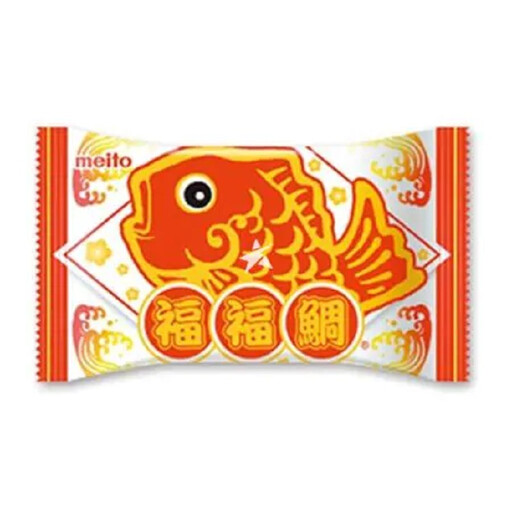
Why This Fits Their Persona: This is a perfect entry point. The combination of a wafer and airy chocolate is familiar, but the fish shape and extremely light texture make it uniquely Japanese without being too "strange."
The flavour is a safe choice (chocolate), avoiding the 'unexpected flavour surprise.' It's exactly what it looks like: a fun, light, and crispy snack.
Very light, airy chocolate filling inside a crispy wafer. The playful shape makes it extra fun.
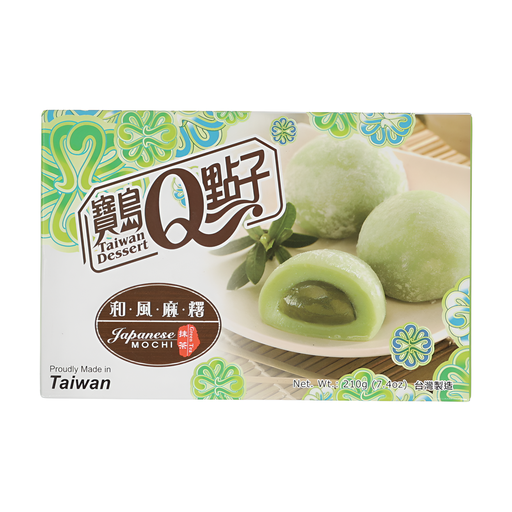
Why This Fits Their Persona: For those specifically seeking the unique, chewy 'mochi mochi' texture. This is a classic that offers the authentic experience of Japanese sweets, combined with the refined, earthy flavour of matcha.
This product embraces the 'texture trap' and makes it its unique selling point. You buy this specifically for its chewy texture, not in spite of it. The flavour is clearly described as green tea.
Authentic soft and chewy rice cake. Individually wrapped, making it convenient for sharing or portioning.
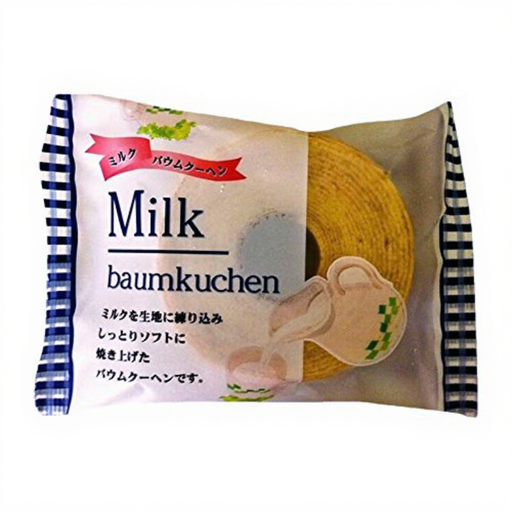
Why This Fits Their Persona: Ideal for those who enjoy a soft, not-too-sweet cake with their tea or coffee. Baumkuchen is a layered cake known for its moist, soft texture and subtle flavour. A refined and comforting snack.
This product delivers exactly what it promises: a soft, layered cake with a mild milk flavour. It avoids the pitfall of a dry texture or an overly artificial taste.
Soft, moist 'fuwa fuwa' texture. The individual packaging ensures the cake stays fresh and soft.
We have curated a complete, up-to-date list of products that fully meet these strict selection criteria and current regulations.
Mochi is the name for the chewy cake made from pounded glutinous rice. It is a base ingredient. Daifuku (literally "great luck") is a confection where a ball of mochi is filled, usually with anko (sweet red bean paste) or sometimes with fruit like a strawberry. So, if you're buying a filled mochi, you are likely buying daifuku.
Most packaged and dry snacks like Japanese cookies and crackers are best stored in a cool, dry place, away from direct sunlight. For soft cakes like baumkuchen or mochi, it's important to keep the packaging tightly sealed to prevent them from drying out. Always check the storage instructions on the packaging for the specific product.
Yes, absolutely. Beyond the standard milk chocolate, Japan is famous for a huge range of exclusive KitKat flavours that cater to seasons and regional specialities. Think of flavours like matcha, sake, sweet potato, cherry blossom (sakura), and even wasabi. It's a great example of how a familiar product can be given a unique Japanese twist. When you order Japanese snacks online, these are a fun and adventurous choice.
