
Vandaag of morgen in huis

Kwaliteit gegarandeerd

Welkomstaanbiedingen ontgrendelen: GRATIS bezorging | Tot 80% korting | Gratis 30 dagen JoyPlus-proefperiode
Download de app
Japanese snacks and biscuits are popular with fans of unusual flavours, colourful packaging and convenient portions. From KitKat Gold salted caramel and matcha biscuits to Pocky biscuit sticks and chocolate-coated wafers, there is plenty of choice. However, product information is not always clearly displayed on the front of the packaging.
As a result, online shoppers can run into a few familiar pitfalls. Eye-catching packaging, for example, tells you little about the quantity, origin or allergens in a product. With these practical checks, you can compare imported snacks and Asian sweets and snacks in a sensible way.
Words such as “matcha”, “strawberry” or “salted caramel” indicate a flavour profile, but not necessarily a high proportion of that ingredient. So check the ingredients list and any percentages shown. For example, the KitKat Wafer Bar Rich Matcha lists matcha powder at 1.5%. This gives you a more precise idea than the product name alone.
The fruit flavour in strawberry biscuits may also come from powder, flavouring or a combination of the two. This is not automatically a problem, but it helps you set more realistic expectations about the taste.
Chocolate snacks and biscuits may come in large packs containing several small bags or individual pieces. Always compare the net weight, number of portions and price per 100 grams. A box containing nine small bars is convenient for sharing, while a 97-gram bag may be more practical for a film night.
Pay attention to the portion size too. The KitKat Gold Wafer Chocolate Salted Caramel Flavor contains nine pieces of approximately 11.6 grams each. The product information states that each piece contains approximately 62 kcal. This is useful information when you are looking for snacks to take with you or small treats.
Imported products may display ingredient information in a different format. In any case, look for wheat or gluten, milk, soya, egg, peanuts, nuts and sesame. Also check both the product page and the packaging, as the ingredients and labelling may vary between flavours.
The country of origin is relevant too. The Oreo special flavours mentioned, such as strawberry and birthday cake, are listed in the product information as originating from China. That does not make them any less suitable as a snack, but it avoids confusion if you are specifically looking for Japanese products.
Several individual portions are useful for sharing, treats and gifts. Products such as Pocky biscuit sticks are available in compact 40- to 47-gram packs. The product information describes these sizes as suitable for lunch boxes, work or eating on the go. However, check whether the sticks are individually wrapped or placed together in one bag.
Do not just look at the flavour name; check the order of the ingredients too. Ingredients are generally listed in descending order by quantity. The Glico Pocky Cookie Bar Chocolate Flavor lists, among other ingredients, wheat flour, sugar, cocoa powder, chocolate and milk powder. The allergen information mentions wheat, milk and soya, with possible traces of egg and nuts.
For households dealing with allergies, the “may contain” warning is important. Products may be made on shared production lines. The KitKat Gold, for example, states that the same equipment is also used for products containing egg, almonds and sesame.
Chocolate, wafers and filled biscuits are affected by heat and moisture. Store them according to the instructions on the packaging in a cool, dry place away from direct sunlight. The KitKat Strawberry Short Cake specifies storage below 28°C. Temperature fluctuations can cause chocolate to develop a white bloom as the fats separate. According to the KitKat Gold product information, this is not unusual and may slightly affect the texture or flavour.
When your order arrives, check that the packaging is undamaged and look at the best-before date. After opening, a well-sealed bag helps preserve the crispness.
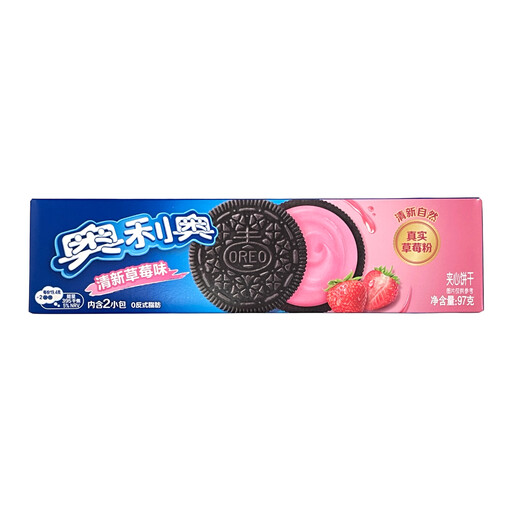
Why it suits this shopper: A compact 97-gram pack for trying a fruity twist on a familiar chocolate biscuit without buying several boxes at once.
The product information states the net weight, country of origin China, allergens and nutritional values per 100 grams. This lets you compare the flavour, size and ingredients in advance.
97 grams; strawberry powder and flavouring listed among the ingredients; contains two individual packs according to the product description.
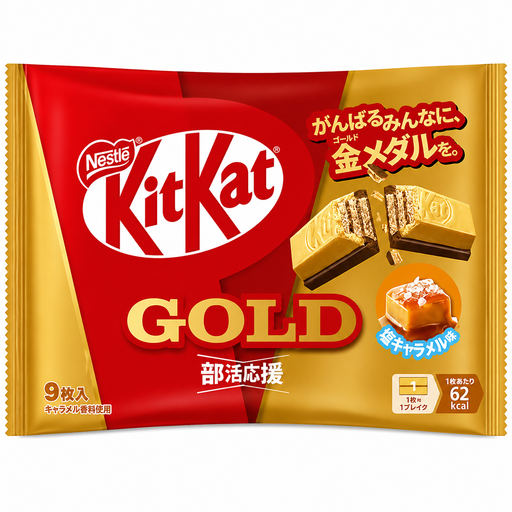
Why it suits this shopper: Ideal if you are looking for a shareable Japanese chocolate snack with a clear sweet-and-salty combination and individually wrapped portions.
The product page lists nine pieces, the weight per piece, allergens and storage information. This makes it easier to assess the large packaging in relation to the actual contents.
Nine wafers; approximately 62 kcal per piece according to the product information; contains wheat, milk and soya.

Why it suits this shopper: A handy size for work, school, travel or a snack break focused on crisp biscuit sticks.
The product description states the 47-gram size, chocolate coating and allergens. This makes it clear that it is a small snack to take with you, rather than a large sharing pack.
47 grams; crisp biscuit sticks with chocolate; according to the product information, free from artificial colourings and preservatives.
We have put together a complete, up-to-date list of products that fully meet these strict selection criteria and the applicable European safety regulations.
For a fresh, fruity option, consider strawberry biscuits or the KitKat Strawberry Short Cake. If you are looking for a distinctive tea flavour, matcha biscuits or the Oreo Ice Cream Matcha Flavour Sandwich Cookies may be worth considering. When choosing matcha products, always check the ingredients list and the stated percentage of matcha powder.
For a crisp texture, Pocky biscuit sticks, Meito Pukupukutai Chocolate Wafer and Oreo Wafer Cubes Milk Vanilla Flavor are logical categories to compare. Chocolate wafers are often light and crisp, but they can break more easily or become soft when exposed to moisture. Several small bags are practical for sharing with family or friends; when you are out and about, a securely sealed pack is the main priority.
Yes, small packs such as 40- or 47-gram Pocky packs and individual KitKat pieces are practical for work, school or travel. Keep chocolate away from direct sunlight and heat, though. After buying, check that the packaging seals properly and is not damaged.
The best-before date is printed on the packaging. Once opened, biscuits generally retain their quality better when stored somewhere dry and sealed. Temperature and moisture have a major impact on chocolate and wafers. Always follow the product’s specific storage instructions.
Read the full ingredients list and allergen information before buying. Many of these products contain wheat, milk or soya. Some packaging also warns that the product may contain traces of egg, peanuts, nuts or sesame. If in doubt, follow the information on the packaging.
