
Vandaag of morgen in huis

Kwaliteit gegarandeerd

Welkomstaanbiedingen ontgrendelen: GRATIS bezorging | Tot 80% korting | Gratis 30 dagen JoyPlus-proefperiode
Download de app
When searching online for Japanese snacks and cakes, you will often come across products from Japan, China, Thailand, France and other countries. This makes the range interesting, but comparing products is not always straightforward. A soft Japanese cake, an individually wrapped baumkuchen or a savoury snack may look appealing, while important information about allergens, storage and portion size can be less noticeable.
With this guide, the Joybuy Product Recommendation Officer helps you distinguish marketing language from verifiable product information.
Words such as “Japanese style”, “French baking technique” or “authentic” do not automatically describe the product’s origin or production method. Always check the country of origin, the responsible person in the EU and the ingredients list.
For example, the Atom Japanese Chocolate Baum Cake is described as a Japanese cake in the product information, but no production location is given in the ingredients information. Bakery Village Danish Croissant lists China as its country of origin. This does not mean the product is unsuitable, but it helps you make an informed choice.
An individually wrapped snack is convenient for travelling, work or school. The packaging can also make it easier to divide products into portions. Even so, you should still check the best-before date, storage instructions and condition of the packaging.
Dry biscuits and crackers can usually be stored in a cool, dry place. Tokimeki Bread Maple, on the other hand, states that it must be kept refrigerated. This difference is important when ordering several international snacks at once.
Cakes often contain wheat, egg, milk, soya or nuts. Do not just look for words such as “butter”, “chocolate” or “cream”; read the full allergen information.
Also watch out for contradictions in the product information. Tokimeki Bread Maple states that the product contains none of the 14 major EU allergens, while the ingredients list includes milk- and soya-related ingredients. In this situation, always check the label on the packaging and contact the seller if in doubt. Do not rely solely on a brief summary.
Check the following before buying:
Atom Japanese Chocolate Baum Cake lists wheat, egg, milk and soya. According to the description, the product may contain traces of peanuts, nuts and sesame. Bakery Village Danish Croissant contains wheat, egg and milk, among other ingredients, and also lists colourings such as E102 and E110.
A small pack can still be a relatively energy-dense snack. Therefore, compare the values per 100 grams with the weight of the entire pack.
Some examples from the product information:
These figures say nothing about taste or suitability for a particular occasion, but they make comparisons easier. An individually wrapped cake may be convenient as a small treat, while savoury snacks such as bake rolls may be more practical for drinks and nibbles.
Decide in advance how you plan to use the snack:
Frozen products such as Dr. Oetker Bistro Baguette Hawaii and Bolognaise must remain frozen until use. They are therefore less suitable for an impulse order if you do not have enough freezer space.
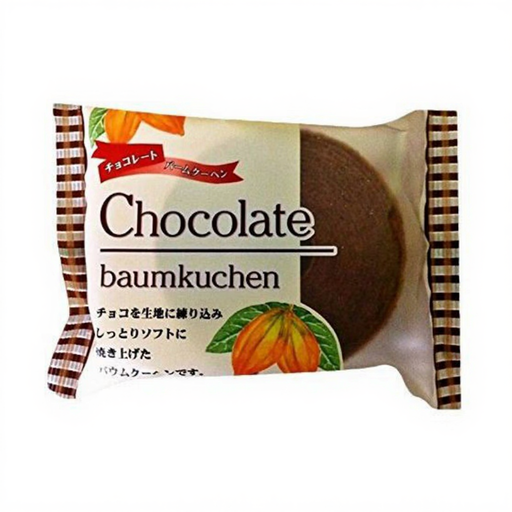
Why it suits this profile: A compact, individually wrapped Japanese cake for anyone trying baumkuchen for the first time without buying a large box.
The 80-gram weight and nutritional value per 100 grams are clearly stated. However, check the allergens on the label: wheat, egg, milk and soya are listed.
80 grams, individually wrapped, chocolate flavour and layered cake according to the product description.

Why it suits this profile: Ideal for breakfast or a coffee break when a soft centre and crisp exterior matter more than a large pack.
The 85-gram portion, individual packaging, ingredients and allergens are listed. The country of origin is China, so the product name need not cause confusion.
Crisp, flaky exterior; individually wrapped; ready to eat straight away.
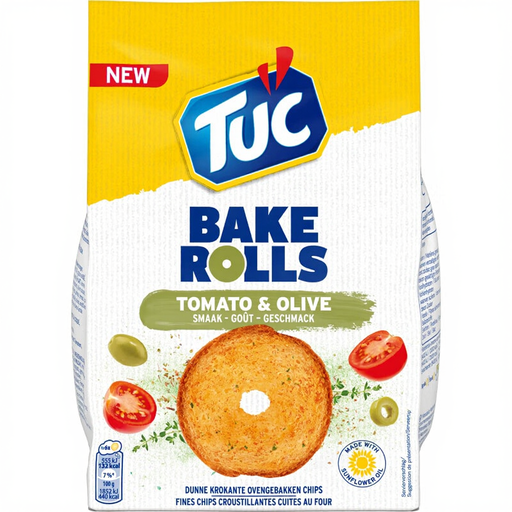
Why it suits this profile: A savoury snack for drinks and nibbles, dips, lunch boxes or those moments when you would rather have something crisp than sweet.
The information gives values per 30 grams and per 100 grams. This makes it easier to judge a portion. Please note: gluten and milk are present, and possible traces of nuts are listed.
150 grams, oven-baked cracker product, suitable for eating on its own or pairing with dip and salad.
We have put together a complete, up-to-date list of products that fully meet these strict selection criteria and the applicable European safety regulations.
For a sweet option, consider Japanese cake, Japanese baumkuchen, brownies, biscuits and filled buns. A small cake weighing 52 to 85 grams is practical for a single coffee break. A box of 30, such as Atom Chocolate Baumkuchen 30x80g, is better suited to guests, an office stock cupboard or regular portioning.
For savoury snacks, TUC Bake Rolls, toasted bread snacks and garlic and parsley bread rolls are logical choices. Pay particular attention to salt, preparation method and allergens. Croissants and Danish toast are convenient for breakfast, but check whether they can be stored at room temperature and how quickly they should be consumed after opening.
Check the ingredients, allergens, net contents, shelf life, storage conditions and country of origin. Also check whether the product is individually wrapped and whether it needs to be transported chilled or frozen.
The exact shelf life varies by product and is stated on the packaging. Individual packaging makes portioning easier, but it does not replace proper storage. Keep dry cakes and biscuits in a cool, dry place; always follow the stated temperature for chilled or frozen products.
That depends on the ingredients and allergens. Some products list colourings or possible traces of nuts, milk, egg, soya or gluten. Always read the label and warnings before giving a snack to a child.
