
Vandaag of morgen in huis

Kwaliteit gegarandeerd

Welkomstaanbiedingen ontgrendelen: GRATIS bezorging | Tot 80% korting | Gratis 30 dagen JoyPlus-proefperiode
Download de app
Japanese seasonings make it easy to prepare curry, ramen, sushi, teriyaki or rice dishes at home. However, not every pack is right for your cooking style. A large pack might seem good value, but could end up sitting unused in your cupboard. And a product labelled “extra hot” won’t necessarily suit everyone at your table.
As a Joybuy Product Recommendation Officer, I cut through the marketing to bring you practical information: what a product is used for, what ingredients it contains, and how much effort it saves you. Below, you’ll find out what to look for when choosing Japanese seasonings, plus a selection for different types of home cooks.
Labels like mild, medium hot, hot and extra hot give you a rough idea, but they don’t tell you exactly how a product will taste in your dish. With a curry roux, you’re using several blocks at once, so the overall heat can quickly add up.
Choose mild for a household with different preferences. A hot or extra hot variety works better when you deliberately want to cook something spicy. Also check whether chilli pepper, pepper extract or other hot ingredients are listed in the ingredients list.
A jumbo pack of Japanese curry or a large bottle of sushi seasoning might look attractively priced. That saving disappears if you rarely use the product. So pay attention to:
A 150g bottle of mirin, for example, is manageable for occasional use. A 750g pack of hotpot broth is better suited to households that regularly cook for several people.
Japanese sauces and spices often contain soya, wheat, sesame, fish, celery or mustard. Even a seasoning described as vegetarian can contain allergens. Always check the label on the pack, especially if you have a food allergy or intolerance.
Also keep an eye on salt and sugar. Mizkan Sushi Seasoning, for instance, lists 9.9g of salt per 100g in the 568ml variant. That doesn’t mean you should avoid it, but it does mean measuring your portions is important.
Not every Japanese seasoning works the same way:
Check whether you’re buying a ready-to-use product or a concentrate. A product that needs diluting will often have a different nutritional value than a sauce you serve straight away.
Look at the full ingredients list, not just the front of the pack. S&B Golden Curry Sauce Mix, for example, contains wheat and gluten. The medium-hot 92g variant also lists soya and beef as allergens and may contain traces of milk and egg.
With furikake, extra care is needed. Nihonkaisui Vegetable Furikake contains sesame, milk, egg, fish, soya and wheat, among other things. Nihon Kaisui Wasabi and Seaweed Furikake lists sesame and soya, and according to the product information may contain traces of wheat, peanuts and nuts.
A glass jar, bottle or pouch requires a different storage routine than a dry block or powder. Store dry Japanese herbs and curry roux in a cool, dry place away from direct sunlight. Seal opened packs tightly.
According to the product description, Obento Teriyaki Marinade must be refrigerated after opening and used promptly. Saitaku Mirin Seasoning comes in a 150g bottle with a sweet flavour; it’s useful in marinades and sauces, but check the amount of sugar you want in your recipe.
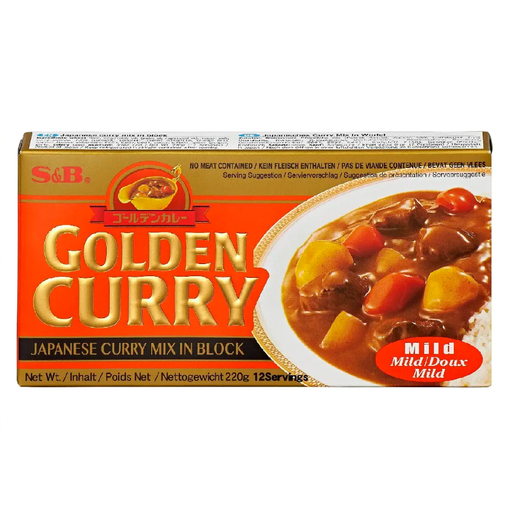
Why this fits the profile: The milder curry roux is practical if you want to make a meal with rice, vegetables and a source of protein without needing lots of separate Japanese spices.
The mild label stops you from buying an extra-hot mix without knowing whether everyone will enjoy that level of heat.
220g; suitable for multiple portions; product information lists wheat and gluten as allergens.
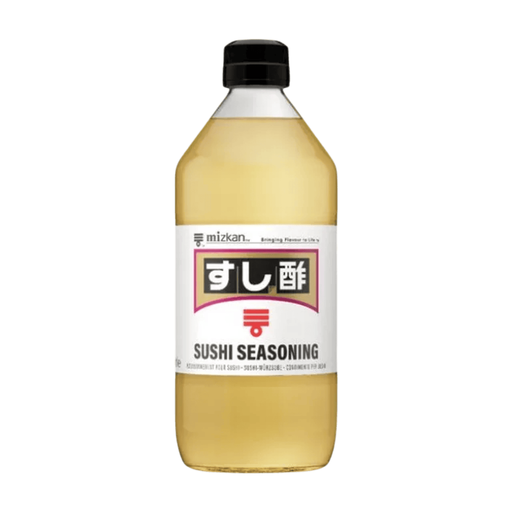
Why this fits the profile: This larger bottle suits home cooks who regularly make sushi, poke bowls or rice salads and want a ready-made seasoning they can measure out.
Its use is clearly described: mix with cooked rice. That means you don’t have to work out your own ratios of vinegar, sugar and salt.
568ml; contains vinegar, sugar, salt and kelp extract according to the ingredients list; origin stated as Japan.
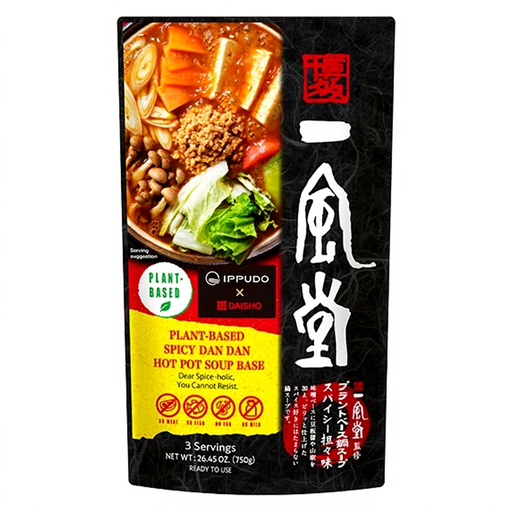
Why this fits the profile: The large pack is designed for shared meals with meat, fish, tofu and vegetables at the table.
Its use and dilution are clearly stated. Do check the listed allergens: soya, sesame, wheat and chicken.
750g; to be diluted with water; suitable as a base for hotpot and ramen-style broth.
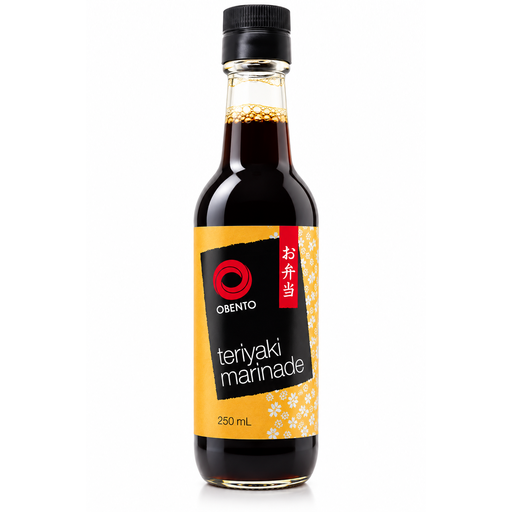
Why this fits the profile: The marinade is ready to use with chicken, beef, pork, fish and vegetables, so you need very little preparation.
You don’t need to measure out separate soya sauce, sugar and spices. According to the product description, the bottle must be refrigerated after opening.
250ml; can be used as a marinade, glaze, stir-fry sauce or dipping sauce; suitable for a variety of ingredients.
We’ve put together a full, up-to-date list of products that fully meet these strict selection criteria and comply with current European safety regulations.
For a quick start, a Japanese curry roux, rice and a few vegetables are enough. If you want more variety, add mirin for sauces, teriyaki marinade for fried ingredients, and furikake as a topping for rice or noodles.
Mirin is a sweet, rice-based seasoning intended for sauces and marinades. Sushi seasoning is a ready-made mix of vinegar, sugar and salt that you stir through cooked rice. They are therefore not interchangeable in the same quantities without adjustment.
The exact shelf life is on the pack. Dry curry roux and Japanese spices generally last longer unopened than opened liquid sauces. Store each product according to the label, seal it well after use, and refrigerate a bottle when instructed. Always check the pack, ingredients and best-before date before consuming.
