
Vandaag of morgen in huis

Kwaliteit gegarandeerd

Welkomstaanbiedingen ontgrendelen: GRATIS bezorging | Tot 80% korting | Gratis 30 dagen JoyPlus-proefperiode
Download de app
Japanese sauces are useful for sushi, stir-fries, barbecues, curry and marinades. However, many bottles on the shelf look very similar. A sweet teriyaki sauce is not automatically suitable as a dipping sauce, and a large bottle can be impractical if you only cook Japanese food occasionally.
As a Joybuy Product Recommendation Officer, I focus mainly on verifiable details: ingredients, allergens, volume, uses and storage. This helps you avoid paying simply for an attractive label or a familiar name.
Not every sauce with Japanese styling is made in Japan or intended for a specific Japanese dish. The country of origin varies by product. For example, SONOKO Teriyaki Marinade lists China as its country of origin, while the product information for Mizkan Yuzu Ponzu states that it is produced by Mizkan Co., Ltd. in Japan.
This does not automatically make a product good or bad, but it is relevant information if you are specifically looking for a particular flavour or origin.
Teriyaki sauce, kabayaki sauce and sukiyaki sauce often contain sugar, mirin or glucose syrup alongside soy sauce. This gives them a glossy, sweet-and-savoury flavour. Classic soy sauce is generally thinner and intended to be added during cooking or at the table.
Pay attention to the salt content too. The product information lists 15.0 grams of salt per 100 grams for Obento Sushi & Sashimi Soy Sauce and 9.1 grams per 100 grams for Kikkoman Less Salty. So “less salty” does not mean salt-free.
An 810-gram bottle may be appealing for a family that often makes hotpot or stir-fries. For occasional use, a 180 to 275 ml bottle may be more practical. Also check the storage instructions. Some products need to be refrigerated after opening, including Mizkan Yuzu Ponzu and various marinades.
Always check the current packaging, especially if you have a food allergy. Many Japanese seasonings contain soya and wheat or gluten. This applies to many types of soy sauce, teriyaki sauce, tonkatsu sauce and kabayaki sauce.
Miso is usually made from fermented soya beans, rice, salt and koji. For example, Hikari Red Miso Paste lists soya beans, rice, salt, water and koji. The Mild Sodium variant also lists yeast and koji culture. Always compare claims such as “mild” or “less salty” with the nutrition table.
The consistency determines how you use the sauce:
A product description may mention versatile uses. Treat this as usage guidance from the brand or seller, and check the ingredients and preparation instructions on the bottle.
Compare the volume with your cooking habits. A 250 ml bottle is suitable for trying out different sauces. A 400- to 500-gram pack of miso paste or a large curry box is better suited to regular use.
Check the best-before date and seal the packaging properly. Store sauces according to the label in a cool, dry place, and refrigerate opened products if instructed to do so.
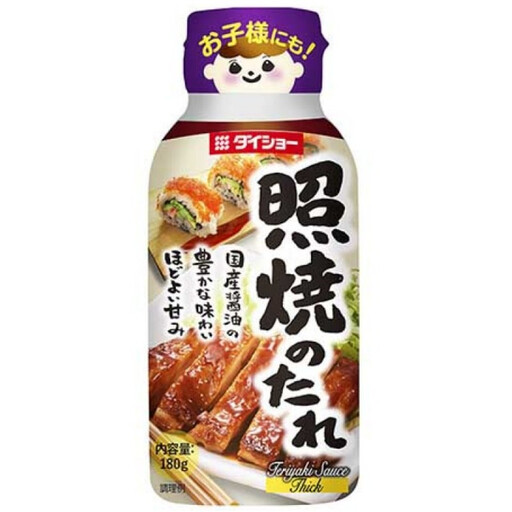
Why it suits this profile: The 180-gram bottle is a manageable size if you are trying teriyaki sauce for the first time and do not want to stock up. According to the product description, the sauce is intended for grilling, stir-frying and marinating.
The volume reduces the risk of being left with a large, unused bottle. The product information lists soya and wheat as allergens, allowing you to check this in advance.
180 grams; suitable as a marinade, glaze or stir-fry sauce; described as suitable for vegetarians.
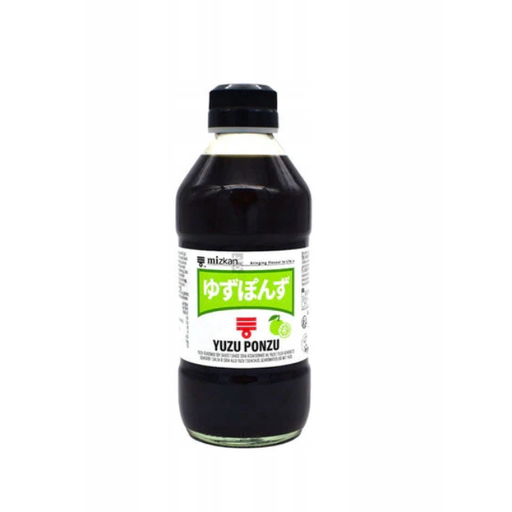
Why it suits this profile: It is for anyone looking for a fresh citrus note alongside sweet-and-savoury sauces. According to the product information, this ponzu contains 4% yuzu juice and comes in a 275 ml bottle.
It is clearly a citrus ponzu, not a standard soy sauce. The ingredients and salt content of 7.9 grams per 100 grams are listed.
Yuzu and lime juice; suitable for dressings and dips; refrigerate after opening.
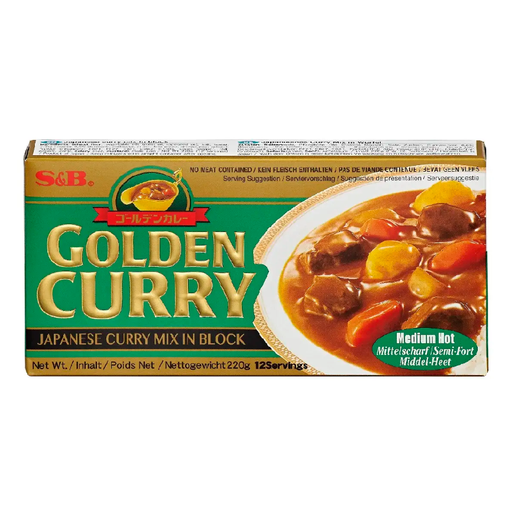
Why it suits this profile: According to the product description, the jumbo pack is intended for multiple portions and family meals. Use the blocks with water, vegetables and, if desired, meat.
The use is specific: preparing curry rather than using a universal sauce for every dish. However, check the wheat content and stated nutritional values on the packaging.
220 grams; suitable for curry with rice or noodles; intended for several diners.
For sushi and sashimi, choose a specific sushi soy sauce such as Obento Sushi & Sashimi Soy Sauce. For fried dishes, you can use tonkatsu sauce; according to the product description, Bulldog Japanese Brown Sauce is also suitable for okonomiyaki and yakisoba.
If you enjoy marinating, you can choose from SONOKO Teriyaki Marinade, Obento Teriyaki Marinade or Kikkoman Teriyaki BBQ Sauce with Honey. Daisho Kabayaki Sauce is an option for rice bowls and grilled dishes. Hikari Red Miso and Hikari Mild Sodium Miso provide a base for miso soup, dressings and marinades.
Pay attention to the flavour profile of sukiyaki sauce. Daisho Japanese Sukiyaki Sauce lists soy sauce, sugar and mirin and, according to the product information, contains no seafood. Healthy Boy Cantonese Style Sukiyaki Sauce, on the other hand, is a product from the Chinese range category and contains ingredients including garlic, sesame oil and a preservative. This difference matters when you are specifically looking for Japanese seasonings.
We have put together a complete, up-to-date list of products that fully meet these strict selection criteria and the applicable European safety regulations.
Thin soy sauce is usually used for sushi and sashimi. A product labelled “Sushi & Sashimi” is tailored to this use. Add small amounts to a separate dipping dish. Teriyaki sauce and kabayaki sauce are thicker and sweeter, making them more suitable as a glaze or finishing sauce.
Soy sauce is usually thin and salty-savoury. Teriyaki sauce often contains added sugar, mirin or syrup, making it sweeter and more syrupy. You can use teriyaki sauce as a marinade, stir-fry sauce or brush-on sauce. When cooking, add only a little at first, as the flavour quickly becomes more intense.
Always follow the label. Unopened bottles are usually stored in a cool, dry place away from direct sunlight. After opening, some sauces need to be refrigerated, particularly when the packaging instructs you to do so. Seal the bottle properly and check the smell, colour and best-before date before using the sauce again.
