
Vandaag of morgen in huis

Kwaliteit gegarandeerd

Welkomstaanbiedingen ontgrendelen: GRATIS bezorging | Tot 80% korting | Gratis 30 dagen JoyPlus-proefperiode
Download de app
Japanese sauces and seasonings quickly add more umami to rice, noodles, vegetables, tofu and meat. However, comparing products online is not always straightforward. A bottle with a Japanese name is not automatically suitable for the dish you want to prepare. Differences in salt, sugar, allergens and intended use may only become clear when you read the label carefully.
This buying guide helps you distinguish marketing claims from verifiable product information. That way, you can choose a Japanese soy sauce, teriyaki sauce, miso paste or dashi seasoning based on your own cooking style.
Japanese sauces have different functions. Japanese soy sauce is generally intended for seasoning, marinades or use as a dipping sauce. Teriyaki sauce is usually sweeter and thicker, making it suitable as a glaze. Ponzu sauce adds a fresh, tangy note. Japanese brown sauce is better suited to fried dishes such as tonkatsu, okonomiyaki and yakisoba.
So first consider what you want to use the sauce for. A sweet sukiyaki sauce, for example, may be too heavy as a simple table seasoning.
Labels use various terms, such as “less salt” or “reduced salt”. Always compare the nutritional values per 100 ml or 100 grams. Kikkoman Less Salt Soy Sauce, for example, states 43% less salt than the regular version and contains 9.1 grams of salt per 100 ml according to the product information. That is lower than the classic Kikkoman version, which contains 16.9 grams of salt per 100 ml, but it does not make the product salt-free.
If you want to use less salt, you can also use smaller quantities and add citrus, garlic, ginger, rice vinegar or sesame.
Words such as “authentic”, “traditional” or “suitable for vegetarians” do not always tell you enough about the ingredients. Check the ingredients and allergens before ordering. Pay particular attention to:
If you have a food intolerance, the packaging takes precedence. Product formulations can change, so check the current ingredients list when your order arrives.
Choose Japanese soy sauce for everyday cooking, dips and marinades. A classic variety often contains water, soya beans, wheat and salt. Gluten-free soy sauce, such as tamari, can be an alternative if you want to avoid wheat. However, check that the label actually includes a gluten-free designation.
For a glossy marinade for chicken, tofu or vegetables, teriyaki sauce and yakitori sauce are practical choices. Kabayaki sauce is thicker and sweet yet savoury; use it as a drizzle or glaze for rice, grilled fish, vegetables or sushi.
Do not just consider the amount of sauce in the bottle; look at the nutritional values too. Alongside soya, ponzu sauce often contains vinegar and citrus. Mizkan Yuzu Ponzu lists 7.9 grams of salt and 11 grams of sugar per 100 grams. This gives it a fresher flavour, but portion control is still advisable.
Sweeter products such as sukiyaki sauce, kabayaki sauce and some teriyaki varieties can contain relatively high levels of sugar. Use them purposefully as a marinade or finishing sauce rather than as the main component of a meal.
A product labelled “no seafood” excludes fish, but you should also check the other ingredients. Dashi seasonings often contain bonito. Marutomo Instant Dashi Seasoning, for example, lists bonito powder and therefore contains fish. For a vegetarian dish, it is better to look for dashi without fish or choose a product that clearly states its suitability for your needs.
Miso paste is versatile and can be used in soup, dressings, marinades and stir-fries. According to the product description, red miso has a powerful umami flavour. Hikari Mild Sodium Miso Paste is intended as a milder alternative, but here too, compare the current salt content on the label.
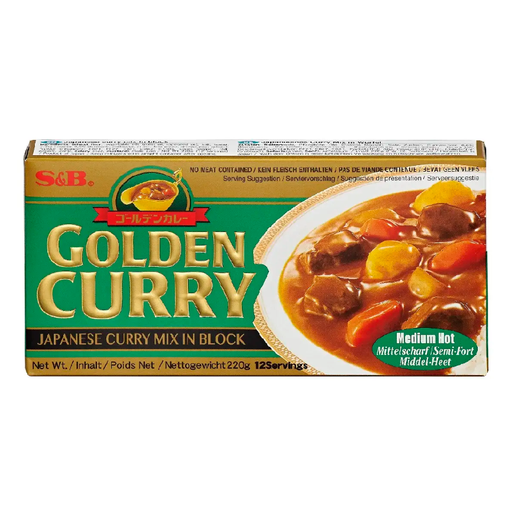
Why it suits this profile: The blocks are easy to prepare with water, vegetables and a source of protein. You do not need to buy several separate seasonings for a Japanese curry.
Its clearly defined purpose prevents you from expecting a thin table sauce. However, note that the ingredients list mentions wheat and gluten.
220 grams, suitable for several servings; can be used with rice, noodles or vegetables.
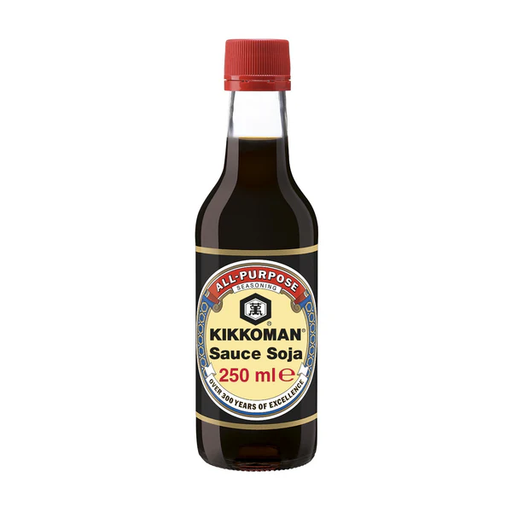
Why it suits this profile: A naturally brewed soy sauce with a short ingredients list is ideal for cooks who want to stay in control of their dish’s flavour.
The product information clearly lists water, soya beans, wheat and salt. It is therefore not suitable for a gluten-free diet.
250 ml bottle; suitable as a table seasoning and for cooking; contains no added sugar according to the listed ingredients.
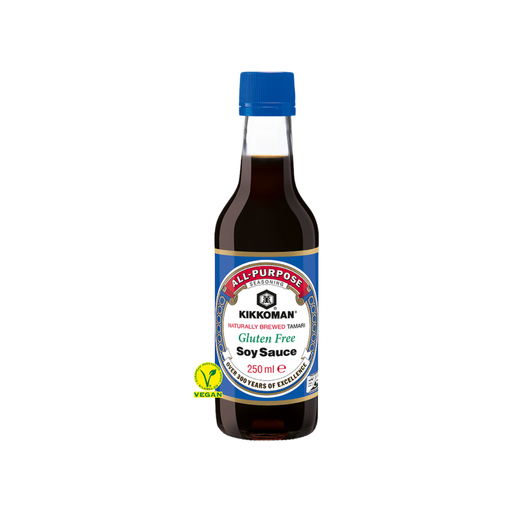
Why it suits this profile: According to the product description, this tamari was specifically developed without gluten-containing ingredients and is suitable for cooks who organise their store cupboard accordingly.
The product details explicitly state that it contains no wheat or gluten. Always check the packaging on delivery and look for the soya allergen label.
250 ml content; ingredients according to the information provided: water, soya beans, salt and alcohol vinegar.
We have put together a complete, up-to-date list of products that fully meet these strict selection criteria and the applicable European safety regulations.
Store opened bottles according to the label. Many sauces retain their quality for longer after opening when kept refrigerated. Use a clean spoon or pourer to help prevent contamination, and check the best-before information on the packaging.
That depends on your needs. Classic soy sauce is versatile for cooking and use as a dip. If you want to avoid wheat, consider gluten-free soy sauce or tamari. If you are looking for a lower-salt option, compare the salt content per 100 ml and choose a variety with a demonstrably lower value.
Teriyaki sauce is usually used as a marinade, stir-fry sauce or glossy finishing sauce. Yakitori sauce is designed to complement the flavour of grilled skewers, but it can also be used with chicken, tofu or vegetables. The exact sweetness and thickness vary by brand, so check the ingredients and instructions for use.
Shelf life varies by product. Check the label and follow the storage instructions. Refrigerate opened sauces if instructed to do so, seal the bottle tightly and do not use the product if the packaging is damaged or its smell, colour or texture has clearly changed.
