
Vandaag of morgen in huis

Kwaliteit gegarandeerd

Welkomstaanbiedingen ontgrendelen: GRATIS bezorging | Tot 80% korting | Gratis 30 dagen JoyPlus-proefperiode
Download de app
Japanese sauces and seasonings make it easy to add depth to sushi, ramen, curry, teriyaki and stir-fries. However, the range is not always easy to compare. A bottle covered in Japanese characters is not automatically suitable for every dish, and a large pack is not always cost-effective if you only use the sauce occasionally.
In this guide from the Joybuy Product Recommendation Officer, you’ll find out what to look for before buying Japanese cooking ingredients. This will help you choose more confidently between Japanese soy sauce, teriyaki sauce, miso paste, dashi seasoning, Japanese mayonnaise and sushi seasoning.
Terms such as “authentic” or “Japanese-style” do not always describe the ingredients or origin. So check the ingredients, country of origin and recommended uses. For example, teriyaki sauce may be suitable as a marinade, glaze or dipping sauce, while ordinary soy sauce is mainly intended for seasoning dishes.
Reduced-salt Japanese soy sauce still contains salt. Product pages show nutritional values per 100 ml or 100 g. Compare these figures rather than relying solely on the front of the packaging. For example, Kikkoman Soy Sauce Less Salty lists 9.1 g of salt per 100 ml, while regular Kikkoman soy sauce lists 16.9 g.
A 975 ml or 1-litre bottle is suitable for daily use, large families or meal preparation. For someone who only makes sushi or ramen a few times a month, a 250 ml or 310 ml pack may be more convenient. Also check the storage advice after opening. Many sauces should be stored somewhere cool and dark and refrigerated after opening, according to the product information.
Japanese soy sauce often contains soya and wheat. MURASAKI SOY SAUCE 1 L lists water, soya, wheat, salt and alcohol as ingredients. According to the product description, this sauce is intended for seasoning, marinating and dipping.
If you want to avoid gluten, you could consider a tamari variety. The Kikkoman Tamari Gluten Free Soy Sauce lists water, soya beans, salt and alcohol vinegar and, according to the product information, contains no wheat as an ingredient. If you have an allergy, always check the label and current packaging, as product information can change.
Look out for these points:
Teriyaki sauce generally has a sweet and savoury flavour and is used as a glaze, marinade, stir-fry sauce or dipping sauce. The DAISHO teriyaki sauce 180g is described as a combination of soy sauce, mirin and sweetness. The product information states that this sauce is suitable for meat, fish, tofu and vegetables, but also contains soya and wheat.
According to its description, the Obento Teriyaki Marinade 250ml is ready to use. This is practical if you want to marinate chicken, vegetables or tofu quickly without making your own mixture. When buying, check whether you are looking for a ready-made marinade or a thicker sauce for glazing and serving.
Japanese curry sauce is often sold as roux blocks or a sauce mix. The S&B Golden Curry mixes contain ingredients including wheat flour, oil, sugar, salt and spices. The varieties differ in size and heat level. A mild mix is approachable for families, while a medium-hot or hot variety is better suited to those who enjoy a more intense flavour.
Dashi seasonings are concentrated flavourings for stock, miso soup, noodles and sauces. According to the product information, the Marutomo Japanese Instant Dashi Seasoning contains bonito, salt, sugar, flavour enhancers and yeast extract, among other ingredients. This product contains fish and is therefore not suitable for vegan dishes.
Miso is suitable for soups, marinades and dressings. According to the product listing, Hikari Miso Red Inaka contains soya and may contain traces of gluten. When buying miso paste, also read the refrigeration advice and seal the packaging securely after use.
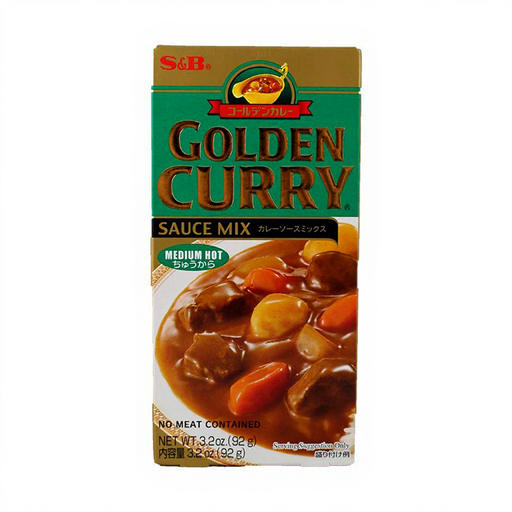
Why it suits this profile: According to the product information, the pack makes approximately 5–6 portions and only requires water, vegetables and a protein source of your choice.
The smaller size helps reduce waste while you are still trying Japanese curry. However, check the stated presence of wheat, soya and beef.
92 g pack, medium heat and easy preparation with rice, noodles or vegetables.
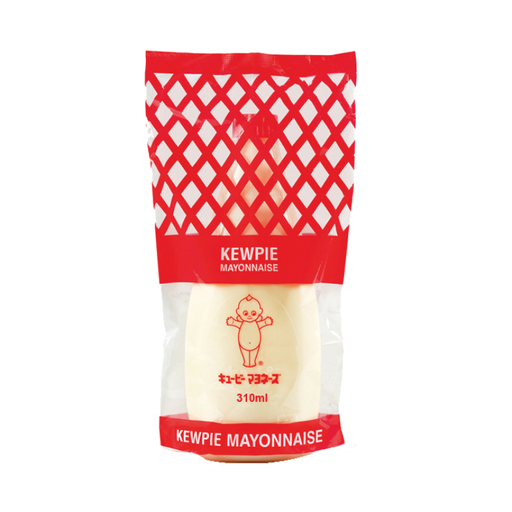
Why it suits this profile: According to the product description, this Japanese mayonnaise is intended for sushi, salads, sandwiches, grilled dishes and dips.
The product information names specific ingredients and allergens, including egg and mustard. This allows you to compare the sauce more accurately than by looking at the packaging alone.
310 ml squeeze bottle, creamy texture according to the product description and versatile uses.
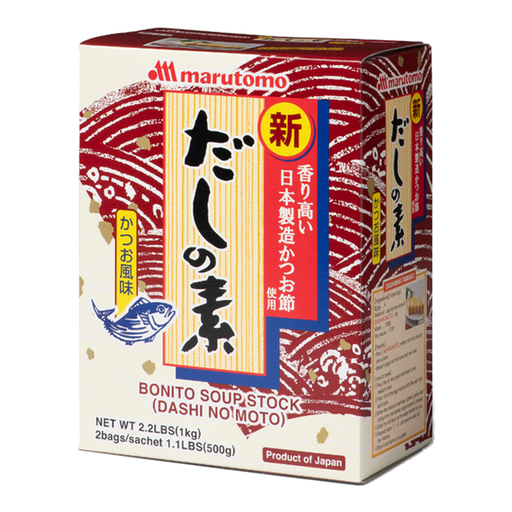
Why it suits this profile: The twin pack, totalling 1,000 g, is ideal for households that often prepare miso soup, noodle stock or sauces.
The ingredients list includes bonito and fish. This prevents you from mistakenly expecting a vegetarian or vegan stock.
According to the product information, it dissolves easily in hot water and can be used for stock, noodles and sauces.
For many British kitchens, a small combination is all you need:
When choosing vegetarian options, pay particular attention to dashi, beef extract in some curry mixes and fish ingredients. For gluten-free options, it is important that the full ingredients list and allergen information support the claim, rather than simply having “tamari” on the front.
We have put together a complete, up-to-date list of products that fully meet these strict selection criteria and the applicable European safety regulations.
An ordinary Japanese soy sauce is often suitable as a dipping sauce for sushi. If you want to avoid gluten, you could consider a gluten-free tamari variety. Always check the current ingredients list, allergen information and salt content before ordering.
This varies from product to product. Store sauces according to the label, usually somewhere cool and away from direct sunlight. Some product descriptions recommend refrigerating opened bottles and using them within a few months. The best-before date on the packaging remains the definitive guide.
For Japanese curry, an S&B curry mix, water, vegetables and a protein source are enough as a base. For ramen, you can combine dashi seasoning with soy sauce, miso and noodles. Check whether the dashi contains fish, and look for wheat, soya and other allergens in curry mixes.
