
Vandaag of morgen in huis

Kwaliteit gegarandeerd

Welkomstaanbiedingen ontgrendelen: GRATIS bezorging | Tot 80% korting | Gratis 30 dagen JoyPlus-proefperiode
Download de app
Buying Japanese sauces and seasonings seems simple, until you are faced with a shelf full of almost identical bottles. A sauce for sushi is not automatically suitable for ramen, and a product labelled “Japanese style” does not necessarily come from Japan. Sweetness, salt content, allergens and recommended uses can also vary considerably between products.
For home cooks, sushi and ramen fans, and professional kitchens, these are the main pitfalls to watch out for:
First, decide what you need the seasoning for. Each of the main categories has a different purpose:
Do not just check the front of the packaging. Look at:
For example, JP Otafuku Yuzu Ajitsuke Nama Ponzu contains soya sauce, yuzu juice and white distilled vinegar, and lists soya and wheat as allergens. The product information states that it contains 7.0 g of salt per 100 ml. This makes careful portioning important, particularly when you combine the sauce with other salty ingredients.
It is equally sensible to read the ingredients when buying dashi seasonings. Marutomo Japanese Instant Dashi Seasoning contains bonito, salt, sugar, yeast extract and flavour enhancers, among other ingredients. This is relevant to vegetarians, vegans and anyone with a fish allergy.
A small bottle of 160 to 300 ml is usually a better fit for occasional use. For a family, meal preparation or food-service setting, a pack of 450 to 975 ml may be more practical. After opening, pay attention to the instructions: some products need to be refrigerated.
A squeezy bottle, such as the one used for Kewpie Mayonnaise Japanese Style 355 ml, makes portioning easy. A PET bottle can be convenient for everyday use, while a glass bottle may be less suitable if you often work over a hot pan. Also check that the packaging is undamaged and read the best-before date on the product itself.
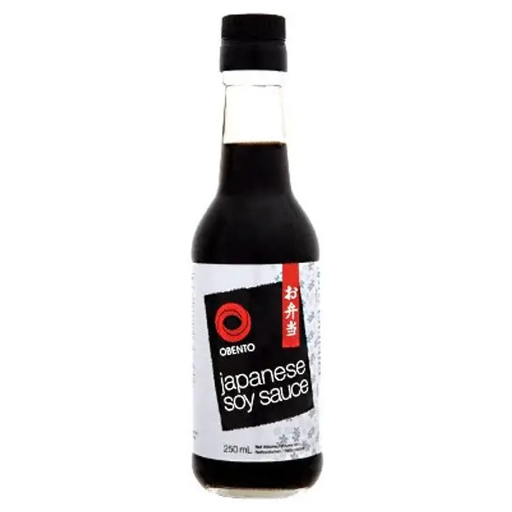
Why it suits this profile: A compact staple for sushi, rice, noodles and simple marinades, without having to buy a large bottle straight away.
The 250 ml size helps to reduce waste when used occasionally. However, note the stated salt content of 15 g per 100 g and use sparingly.
Small pack; soya and wheat-based; suitable as a table condiment and in hot dishes.
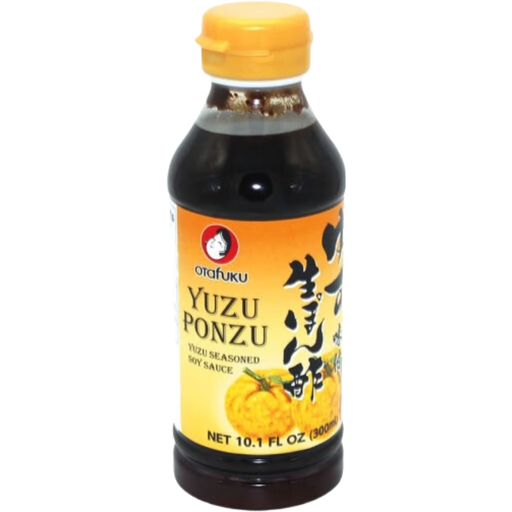
Why it suits this profile: For those who want a fresh citrus note alongside savouriness with sashimi, salads, grilled meat and marinades.
Its recommended uses are clearly stated, and the 300 ml PET bottle is easy to manage. Check for soya and wheat if you need to avoid allergens.
Yuzu juice, soya sauce and vinegar in one sauce; suitable as a dip, dressing and marinade.
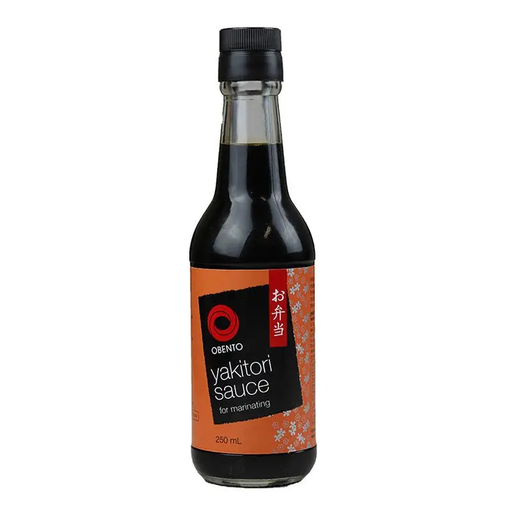
Why it suits this profile: Designed for fans of yakitori, grilled chicken and marinades who want to add a sweet and savoury glaze.
This sauce has not been chosen as a general all-rounder, but for marinating and grilling. This helps prevent a sauce that is too sweet from being used inappropriately.
250 ml; contains soya sauce, sugar and mirin; suitable for chicken and other meats.
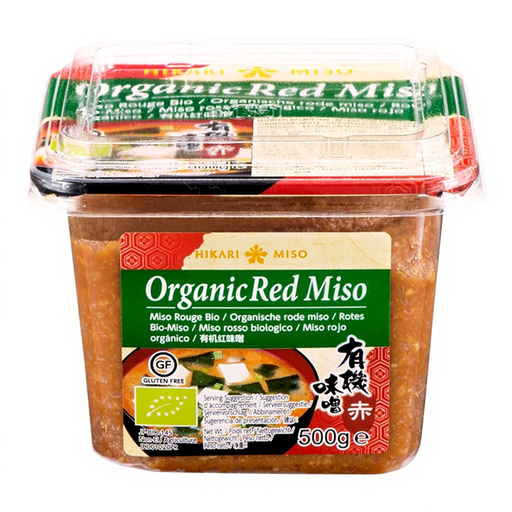
Why it suits this profile: A useful staple for miso soup, marinades, dressings and stir-fries, with no fish ingredients listed.
The ingredients list is short and clear. However, always check the current packaging if you need to avoid gluten or other allergens.
500 g for regular use; made with soya beans, rice, salt, water and koji; suitable for a range of cooking methods.
For sushi and sashimi, choose sushi soya sauce or classic Japanese soya sauce, served in a separate dipping bowl. If you want more freshness, yuzu ponzu is a natural choice. For ramen, you can combine shoyu with miso and dashi, but take care not to use generous amounts of several salty seasonings at the same time.
For fried dishes, tonkatsu sauce and Bulldog Japanese Brown Sauce are practical options. Teriyaki sauce works well with tofu, vegetables, fish and meat. Kewpie mayonnaise is creamy and suitable for sushi rolls, okonomiyaki and sandwiches; Saitaku Wasabi Mayonnaise adds a sharp wasabi flavour. According to the product description, this variant contains horseradish and wasabi powder, among other ingredients. This is a product specification, not a guarantee of a particular flavour intensity for every user.
We have put together a complete, up-to-date list of products that fully meet these strict selection criteria and the applicable European safety regulations.
Ponzu is a sharp, savoury Japanese sauce made with ingredients including soya sauce and vinegar. Yuzu ponzu also contains yuzu juice or yuzu flavouring, giving it a citrus-style flavour profile. Check the label to see which citrus fruit has been used and how much juice it contains.
This varies by brand and packaging. Follow the storage instructions on the label. Some products recommend refrigeration after opening, while others should be stored in a cool, dark place both before and after opening. Always close the bottle securely.
The shelf life is stated on the packaging. Store miso paste according to the instructions, usually tightly sealed in a cool, dry place or refrigerated after opening. Always use your senses and check the product before adding it to a dish.
