
Vandaag of morgen in huis

Kwaliteit gegarandeerd

Welkomstaanbiedingen ontgrendelen: GRATIS bezorging | Tot 80% korting | Gratis 30 dagen JoyPlus-proefperiode
Download de app
When buying Japanese sauces and seasonings, you quickly come across many of the same terms: umami, authentic, mild, hot and traditional. However, attractive packaging does not always tell you enough about how a product will work in your kitchen. A sauce for sushi is used differently from a marinade, and curry roux is not the same as ready-made curry sauce.
This guide helps you compare Japanese ingredients based on use, ingredients, allergens and pack size. That way, you can avoid disappointing purchases and choose more carefully for sushi, curry, noodles, rice or everyday meals.
Not every Japanese soy sauce serves the same purpose. Soy sauce for sushi and sashimi is intended as a dipping sauce. Another variety may be better suited to stir-fries, marinades or dressings. So pay attention to the product name and instructions for use.
Also check the salt content. For example, Obento Sushi & Sashimi Soy Sauce lists 15.0 grams of salt per 100 grams. Kikkoman Soy Sauce Less Salty lists 9.1 grams of salt per 100 grams, but still contains wheat and soya. ‘Less salty’ therefore does not mean salt-free.
With Japanese curry, mild, medium hot or hot mainly refers to the stated level of spiciness. The base is generally thicker and milder in flavour than many Indian or Thai curries. Curry roux blocks also still need to be dissolved with water, vegetables and, if desired, meat or a plant-based alternative.
A ready-made curry pouch works differently: you only need to heat it. So do not just look at ‘hot’; also consider preparation time, serving size and required ingredients.
Many Japanese seasonings contain soya, wheat, sesame, mustard or milk ingredients. This applies to soy sauce, furikake, miso paste and some curry products, among others. Always read the label on the packaging; ingredients can change, and the packaging is the definitive source.
Also consider the amount in each pack. A 500-gram tub of miso is practical for regular use, but less suitable if you only make miso soup occasionally. A 43-gram tube of wasabi paste, on the other hand, is compact and intended for small quantities.
Use this simple guide:
A product with several uses is convenient, but check that the flavour is suitable for each one. Tonkatsu sauce, for example, is sweet, spicy and thicker in texture. This makes it suitable for crispy dishes, but not automatically for sushi.
Miso paste, soy sauce and ready-made curry can contain relatively high levels of salt. Use the nutrition table to compare products objectively. Hikari Miso Red Miso Paste, for example, lists 4,900 milligrams of sodium per 100 grams; the exact preparation then determines how much you use per serving.
White miso, also known as shiro miso, often has a milder, slightly sweet flavour than red miso. Red miso generally has a more powerful flavour profile. This makes white miso useful for dressings and light soups, while red miso works well in rich sauces, marinades and stews.
A larger pack is only good value if you use the product in time. Pay attention to:
According to the product information, S&B Golden Curry Sauce Mix 92 g is intended to make approximately 5 to 6 servings. The 220-gram jumbo varieties make more sense for families or anyone who regularly prepares Japanese curry. A ready-made S&B Curry Sauce with Vegetables Hot 210 g requires less preparation, but already contains vegetables and sauce, giving you less control over the proportions.
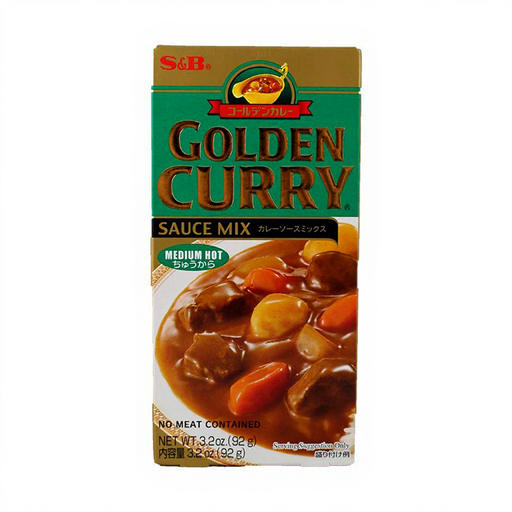
Why it suits this profile: The size is manageable for anyone who wants to try Japanese curry without building up a large supply.
The product information states a medium level of spiciness and approximately 5 to 6 servings. This makes it easier to estimate the quantity and how you will use it in advance.
Curry roux in a compact format; suitable for preparing with water, vegetables and a protein source of your choice.
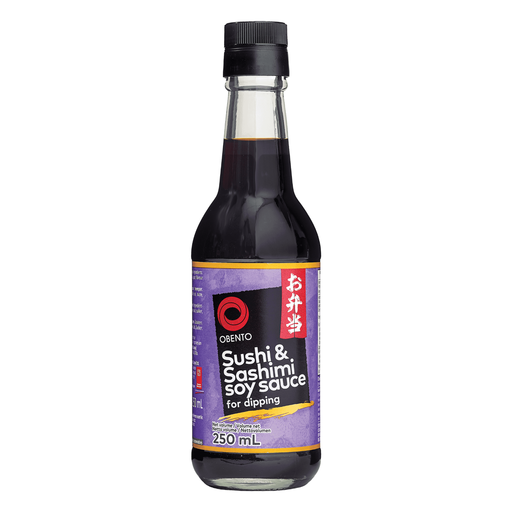
Why it suits this profile: This bottle is specifically intended for sushi and sashimi, making it ideal for enthusiasts who want to serve their Japanese meal with a dedicated dipping sauce.
The intended use is clearly stated in the product name and instructions: pour a small amount into a separate dish and dip the sushi or sashimi.
250 ml contents; clearly intended as a dipping sauce; lists 109 kcal and 15.0 g of salt per 100 g.
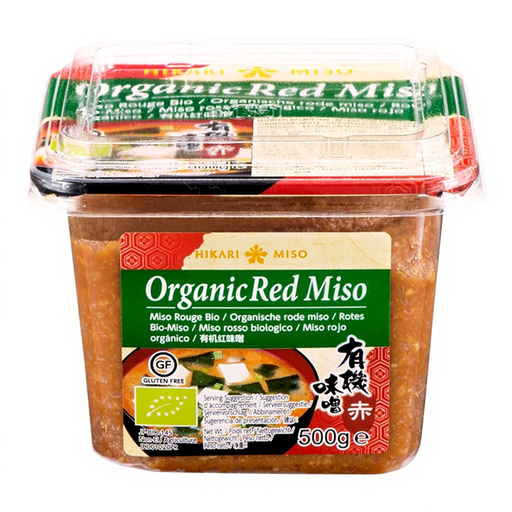
Why it suits this profile: The 500-gram pack is ideal for home cooks who regularly use miso in soups, marinades, sauces and stir-fries.
The product information clearly states that this is red miso. This allows you to distinguish its strong flavour from white miso before ordering.
500 g contents; ingredients based on soya beans, rice, salt, water and koji; contains soya as an allergen.
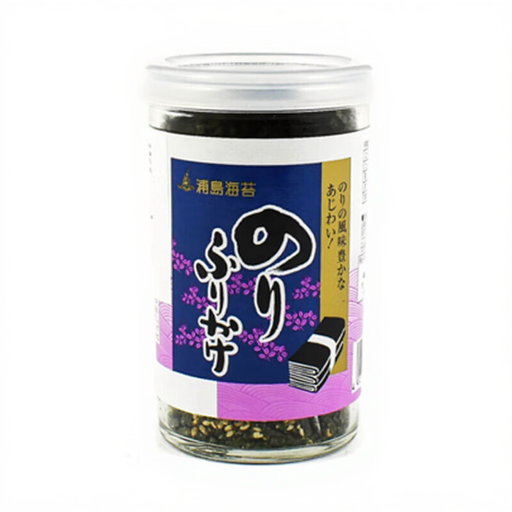
Why it suits this profile: Furikake quickly adds extra flavour to rice, noodles, salads and poké bowls without requiring you to prepare a complete sauce.
The product description lists nori and sesame as key ingredients and gives several suggested uses. However, check the label for allergens before using it.
50 g shaker pack; combination of nori, roasted sesame and savoury seasonings; suitable for rice and noodles.
We have compiled a complete, up-to-date list of products that fully meet these strict selection criteria and the applicable European safety regulations.
For a simple store cupboard, you can start with a combination of Japanese soy sauce, miso paste, furikake and curry roux. Add wasabi paste for sushi. Teriyaki marinade is practical for hot dishes, while tonkatsu sauce goes well with breaded vegetables, tofu or other fried dishes.
If you want to use fewer animal-based ingredients, check the allergens and ingredients carefully. Not every furikake or curry is vegetarian or vegan: some varieties contain fish, milk or egg. Nihonkaisui Vegetable Furikake, for example, lists fish, milk, egg, soya, sesame and wheat among its ingredients.
Red miso usually has a more intense, savoury flavour. White miso, or shiro miso, is often described as milder and slightly sweet. Use red miso in rich sauces and marinades; white miso works well in light soups, dressings and mild marinades. Always check the product information, as flavour and salt content vary by brand.
Chop vegetables and, if desired, meat or a plant-based alternative, add water and simmer until everything is cooked. Then add the curry blocks and stir until they have completely dissolved. Follow the ratio on the packaging, as this varies from product to product. Serve the curry with rice, noodles or as a sauce with vegetables.
This depends on the product. An unopened pack has a date on the label. After opening, the instructions may change: according to the product information, Obento Teriyaki Marinade must be refrigerated and then used promptly. Keep sauces and pastes sealed, out of direct sunlight and in line with the instructions on the packaging.
