
Vandaag of morgen in huis

Kwaliteit gegarandeerd

Welkomstaanbiedingen ontgrendelen: GRATIS bezorging | Tot 80% korting | Gratis 30 dagen JoyPlus-proefperiode
Download de app
When you’re buying Japanese sauces and seasonings, you’ll soon come across dozens of bottles, dressings and curry mixes. The packaging often promises an authentic flavour, but that doesn’t tell you whether a product is right for your dish, cupboard or diet. A sauce for sushi won’t necessarily work well in a stir-fry, and a large bottle isn’t a bargain if you only use it a few times.
Use this guide to compare Japanese curry, teriyaki sauce, soy sauce, ponzu, yuzu dressing, sesame dressing, yakitori sauce, sukiyaki sauce, Japanese mayonnaise and kabayaki sauce on practical points.
An 800-gram or 1-litre bottle often costs less per millilitre, but it’s only practical if you use the sauce regularly. Dressings, mayonnaise and sauces can lose their flavour and quality after opening. So always check the storage advice on the label and work out the price per 100 ml.
Some products are Japanese-style but made outside Japan, or combine ingredients from different cuisines. That’s not necessarily a problem, as long as the flavour and intended use match what you’re expecting. Check the ingredients list, country of production and suggested preparation.
For example, teriyaki sauce often contains soy sauce, sugar and mirin, or a similar sweet seasoning. Sukiyaki sauce may also contain garlic, sesame or chilli, giving it a different flavour from a milder Japanese soy sauce.
Many Japanese sauces contain soy and wheat. Sesame, egg, mustard and fish are also common. For example, Kikkoman Tamari Gluten Free Soy Sauce lists soy as an allergen, but no wheat in the ingredients list. The regular Kikkoman Soy Sauce, on the other hand, lists both soy and wheat.
Always check the current packaging before buying. Product information can change, so the packaging is the definitive source.
First, choose the sauce you need for your dish:
For occasional use, 150 to 275 ml is often a more manageable size. A larger pack, such as 800 grams, 930 ml or 1 litre, makes more sense for families, meal preppers or professional kitchens.
Think about the bottle shape, too. A squeezy bottle is handy for mayonnaise and decorative drizzles. A cap with a small opening makes salty sauces easier to dispense in controlled amounts.
Soy sauce and many ready-made sauces are relatively high in salt. Kikkoman Soy Sauce, for example, lists 16.9 grams of salt per 100 ml; Mizkan Yuzu Ponzu lists 7.9 grams per 100 grams. Use sauces like these to add flavour, and wait before adding extra salt.
Also check for:
Nutritional information on product pages can vary between packs. If in doubt, check the current product packaging.
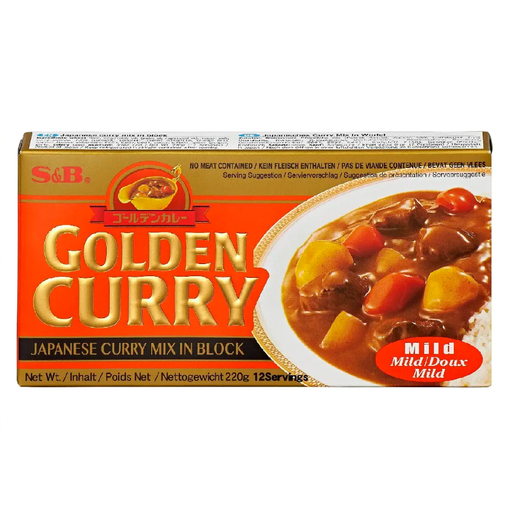
Why it suits this shopper: The blocks dissolve easily in water and can be combined with potatoes, carrots, onions, meat or vegetables. The pack is enough for several family meals.
Rather than buying a loose spice mix with unclear preparation steps, you get a portionable sauce mix with straightforward uses.
Mild flavour, 220-gram pack, and suitable for curry with rice or noodles. Contains wheat and gluten.
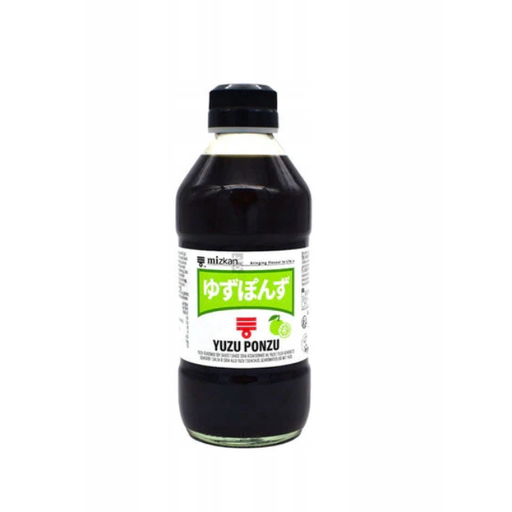
Why it suits this shopper: This ponzu combines soy sauce with yuzu and other citrus ingredients. That makes it a good match for light dressings, fish, dumplings and grilled dishes.
It’s useful for more than just sushi: you can also use the sauce as a dip, dressing or finishing touch.
275 ml, 4% yuzu juice according to the product information, and a citrusy flavour profile. Contains soy.
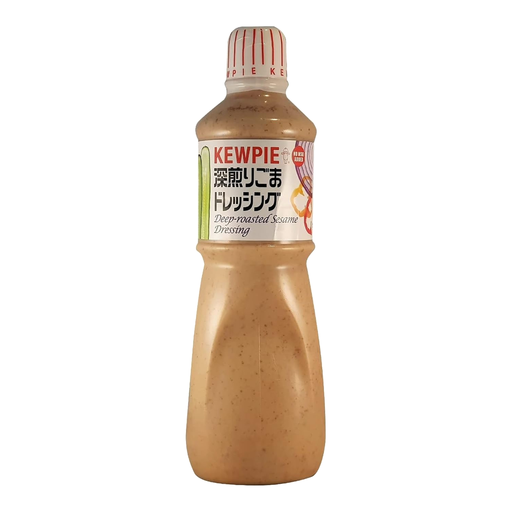
Why it suits this shopper: The 1-litre bottle is practical for professional kitchens, large households and anyone who regularly makes salads, noodles or dips.
The large size is a considered choice only if you use it regularly, helping you avoid paying for volume that goes unused.
1-litre capacity and suitable as a dressing or dip. The product information lists sesame, soy, egg and wheat as ingredients or allergens.
We’ve put together a complete, up-to-date list of products that meet these strict selection criteria and the applicable European safety regulations.
A mild Japanese curry such as S&B Golden Curry Sauce Mix is easy to prepare with water, vegetables and a protein of your choice. For a versatile store cupboard, regular soy sauce is practical because you can use it in marinades, noodles, rice dishes and dips.
Ponzu is generally a citrusy, seasoned soy sauce with a fresher, thinner consistency. Yuzu dressing is often made for salads, fish or dipping, and may contain extra sugar, vinegar or other seasonings. Check the ingredients and nutritional values for each product.
The use-by or best-before date before opening is shown on the packaging. Storage advice after opening varies by product. Store the bottle according to the label, seal it tightly and check for changes in smell, colour and consistency. Dressings, mayonnaise and ponzu may have different storage advice from dry curry mixes.
