
Vandaag of morgen in huis

Kwaliteit gegarandeerd

Welkomstaanbiedingen ontgrendelen: GRATIS bezorging | Tot 80% korting | Gratis 30 dagen JoyPlus-proefperiode
Download de app
Japanese sauces and seasonings quickly add depth to rice, noodles, vegetables, tofu and fish. Yet a striking label is no guarantee that a product will suit your cooking style. A sauce for sushi works differently from a marinade for the barbecue, for example, while packaging sometimes uses similar terms.
With this guide, you can compare ingredients, when to use them, allergens and pack sizes. That way, you can avoid a bottle sitting unused in the fridge.
Words like Japanese, traditional and authentic don’t automatically describe the composition or origin. So always check the ingredients label. A Japanese soy sauce often consists of water, soya beans, wheat and salt, but some varieties also contain sugar, vinegar, alcohol or flavour enhancers.
With teriyaki sauce, mirin, sugar and soy sauce can combine to create a sweet-savoury taste. That’s handy for a glaze, but it may be less suitable if you’re simply looking for a salty seasoning for sushi.
An 810 g bottle may seem attractively priced per quantity, but it’s less practical if you only make Japanese dishes occasionally. Pay attention to the net weight, the recommended use and the storage instructions after opening. A smaller bottle can reduce waste, especially with sauces that need to be refrigerated.
Many Japanese cooking products contain soya and wheat. According to the product information, Kewpie mayonnaise contains egg and mustard, among other ingredients. Wasabi mayonnaise may also contain mustard seed, sulphites or horseradish. So always read the current packaging, especially if you have an allergy or intolerance.
The salt and sugar content also varies considerably. Otafuku yuzu ponzu, for example, lists 7.0 g of salt per 100 ml and 12.4 g of sugar. A tonkatsu sauce can be relatively sweet and thick due to fruit, sugar and thickeners.
Look at the order of ingredients: what comes first is usually present in larger quantities. In a sweet sauce, sugar, glucose syrup or mirin can determine the flavour. With miso paste, the type of miso, the salt content and the fermentation ingredients are relevant.
A milder seasoning isn’t automatically a better choice. Kikkoman Less Salty, for example, lists a lower salt content than the classic version, but still contains 9.1 g of salt per 100 ml according to the product information. So use small amounts and taste as you cook.
A PET bottle is light and easy to dispense; glass feels sturdy but is heavier and more breakable. Check that the lid seals properly and store opened products according to the label. Some products recommend refrigeration after opening. The best-before date and current allergen information are on the packaging and may differ from online information.
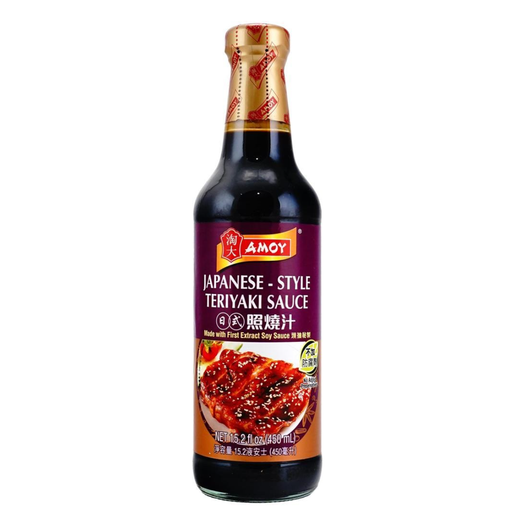
Why this suits the profile: The 450 ml bottle is ideal for anyone who regularly cooks stir-fries, chicken, tofu or vegetables and wants one versatile sauce.
The product information clearly lists soya and wheat as allergens and mentions mirin and sugar in the ingredients. This allows you to assess the sweetness and suitability in advance.
450 ml content; suitable for marinating, stir-frying and glazing; vegetarian according to the product information.
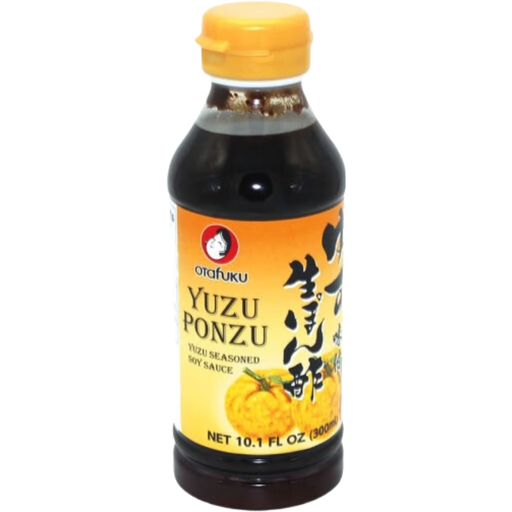
Why this suits the profile: This Japanese ponzu is aimed at lovers of citrus, fresh dressings and a versatile sauce for sashimi, salad and grilled dishes.
The product description specifically mentions soy sauce, yuzu juice and white distilled vinegar. This makes it clear that this isn’t a neutral soy sauce, but a tangy citrus seasoning.
300 ml PET bottle; yuzu as a recognisable flavour component; usable as a dip, dressing and marinade.
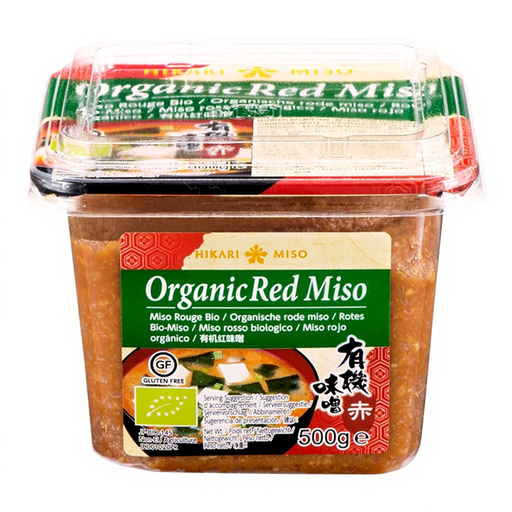
Why this suits the profile: The 500 g pack suits home cooks who frequently make miso soup, ramen, marinades, dressings or stir-fries.
The product information lists soya, rice, salt and koji as ingredients. The sodium content of 4,900 mg per 100 g is also stated, so you can consciously control the amount you use.
500 g content; usable in soup, sauce and marinade; according to the product description, free from artificial colours, flavourings or preservatives.
We’ve put together a full, up-to-date list of products that fully meet these strict selection criteria and comply with current European safety regulations.
Japanese soy sauce is usually savoury and salty, whereas ponzu typically combines soy sauce with vinegar and citrus. Japanese ponzu therefore works well with salad, sashimi, dumplings and grilled dishes. Always check the ingredients and salt content, though.
Teriyaki sauce usually contains soy sauce, sweetening ingredients and often mirin or a mirin-like seasoning. You can use the sauce as a marinade, stir-fry sauce or glaze. Add the sauce later in the pan if you want to prevent the sugars from sticking to the bottom quickly.
Store unopened sauces according to the label in a cool, dry and dark place. Refrigeration may be necessary after opening. Close the bottle tightly and don’t use any product with damaged packaging. The packaging remains the leading source for shelf life, allergens and storage advice.
