
Vandaag of morgen in huis

Kwaliteit gegarandeerd

Welkomstaanbiedingen ontgrendelen: GRATIS bezorging | Tot 80% korting | Gratis 30 dagen JoyPlus-proefperiode
Download de app
A bottle of Japanese Ramune soda is instantly recognisable by the glass marble in its neck. This distinctive Japanese soft drink is a firm favourite among fans of anime, Japanese snack culture and unusual drink packaging. It can also be a striking addition to parties, themed evenings and hospitality venues.
However, not every purchase is equally practical. Pay close attention to the size, flavour, opening method and the information on the label. That way, you can avoid paying over the odds for a small quantity, choosing a flavour that doesn't suit you, or ordering a large case without enough storage space.
The glass bottle with the marble is the iconic feature of Ramune, but it tells you nothing about the flavour or nutritional values. Many varieties contain carbonation, sugar or glucose-fructose syrup, plus flavourings. Always check the ingredients and nutritional information per 100 ml.
Some products may contain colourings such as E102 or E129. According to product information from HATAKOSEN, E102 and E129 may require a warning about activity and attention in children. Always read the current label before purchasing and consuming.
A pack of Ramune 30 pieces often contains 30 bottles of 200 ml. That's handy for an event, shop or large collection, but less suitable if you want to try a flavour first. Compare the total volume, the number of bottles and the price per bottle.
A single bottle of Ramune 200 ml is an easy choice for a taster. For a party, a case might be more appealing, as long as you can store the bottles in a cool, dry place away from direct sunlight.
Ramune is a Japanese fizzy drink with a marble. The marble is pushed into the bottle using the included opener. Open the bottle on a flat, stable surface and hold the opener down for a few seconds. Some drink may splash due to the pressure. Do not shake the bottle and do not try to remove the glass marble.
For young children, adult supervision is advisable, as noted in various product descriptions.
The flavour largely determines whether a bottle suits your occasion. Fruity Ramune varieties are generally sweet and fizzy, but the range of flavours is broad:
The exact taste experience can vary by brand and recipe. So treat descriptions like "refreshing" or "rich in flavour" as the brand's product positioning, not a universal guarantee.
Check three details before you order:
For home use, a single bottle or small pack is practical. For a Japanese film night, trade stand or hospitality venue, a case of 30 pieces may make more sense. Bear in mind the weight and space that glass bottles take up.
Check the label for carbonated water, sugar, glucose-fructose syrup, acidity regulators, flavourings and colourings. The composition varies by variant. For example, HATAKOSEN Ramune Mango lists mango flavouring, along with E330, E102 and E129. HATAKOSEN Ramune Lychee mentions lychee flavouring and citric acid, among others.
Product information online may differ from the packaging. Therefore, always check the current ingredients list, allergen information, best-before date and warnings on the bottle or case before consuming. Store Ramune according to the instructions, usually in a cool, dry place away from direct sunlight. Serve chilled for a fresher drinking experience.
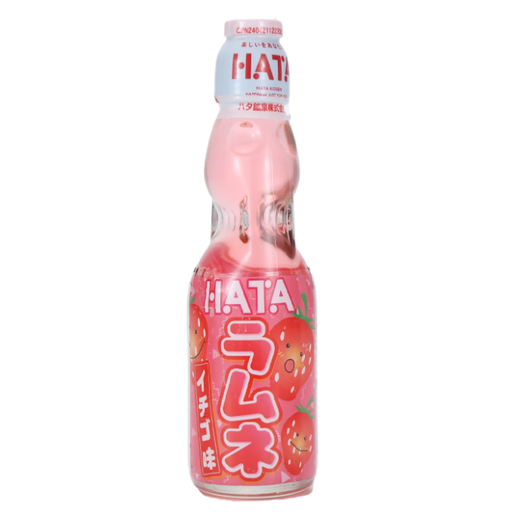
Why this fits the profile: A single 200 ml bottle lets you try the opening method and strawberry flavour without committing to a full case.
The single format reduces the risk of buying a large stock of a flavour you haven't tried yet.
200 ml, glass bottle, strawberry flavour and clear opening instructions in the product description.
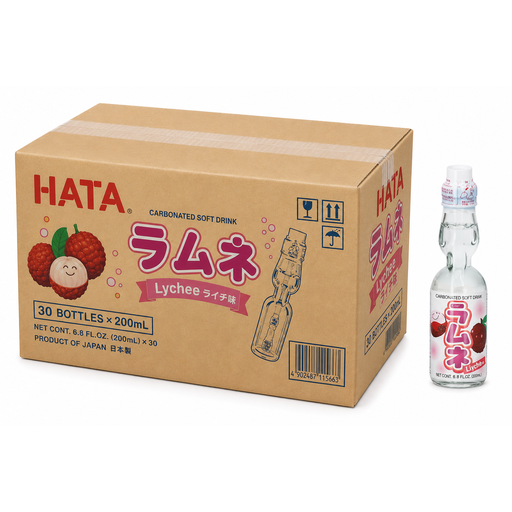
Why this fits the profile: The case contains 30 identical bottles and suits shoppers who want consistent presentation and stock.
The quantity and size are clearly stated, so you can estimate your total stock in advance.
30 bottles of 200 ml, lychee flavour and glass Ramune bottle with marble stopper.
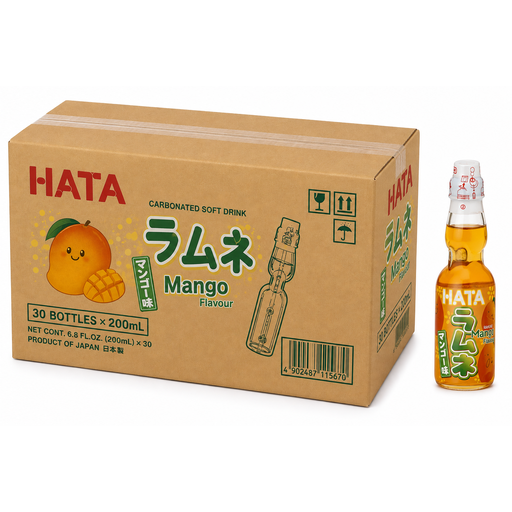
Why this fits the profile: A case of 30 is ideal for hospitality, retail, events and large themed evenings with a tropical flavour accent.
The specification of 30 × 200 ml makes it easier to plan stock, chilling and portions in advance.
Mango flavour, 30 glass bottles of 200 ml and storage advice for a cool, dry place.
We've put together a full, up-to-date list of products that fully meet these strict selection criteria and comply with current European safety regulations.
Place the bottle upright on a stable surface. Remove the seal and use the included opener to push the glass marble down. Hold the pressure briefly after the marble has dropped. Open the bottle slowly and when chilled, without shaking it beforehand.
Check the best-before date on the packaging. Store unopened bottles in a cool, dry place away from direct sunlight. Once opened, it's advisable to keep the drink chilled and consume it according to the instructions on the label. The exact period may vary by product.
That depends on the size and packaging. A single Ramune bottle can be more expensive per millilitre than a multipack of regular soft drinks. You're also paying for the glass bottle and the distinctive opening experience. So compare the price per bottle, the total volume and the number of pieces. For a Japanese-themed evening, the packaging can actually be part of the experience.
