
Vandaag of morgen in huis

Kwaliteit gegarandeerd

Welkomstaanbiedingen ontgrendelen: GRATIS bezorging | Tot 80% korting | Gratis 30 dagen JoyPlus-proefperiode
Download de app
A bottle of Japanese ramune soft drink is about more than its flavour. The instantly recognisable glass bottle with its marble seal makes opening it part of the experience. However, not every variant is the same. If you choose based solely on a colourful label or a popular flavour, you may end up with a drink that is overly sweet, an inconvenient size or a product that is less suitable for children.
In this buying guide from the Joybuy Product Recommendation Officer, we compare practical factors such as volume, ingredients, flavour profile, closure and occasion. This makes it easier to find the right Japanese soft drink without treating marketing claims as established facts.
The marble bottle is ramune’s most recognisable feature, but its design does not tell you whether you are getting a fruity, classic or particularly sweet variant. Flavour can vary considerably between products. Available options include melon, grape, lychee, mango, watermelon, strawberry and muscat.
Always check the product name and ingredients list. A bottle with a Sakura- or anime-inspired appearance, for example, may contain the original flavour rather than cherry or strawberry.
Ramune is generally a sweetened carbonated soft drink. According to the available nutritional information, JP Hatakosen Sakura Soda contains 8.7 grams of sugar per 100 ml. The watermelon variant lists 10.2 grams of sugar per 100 ml, while the grape variant lists 11 grams of sugar per 100 ml.
If you are buying several bottles for a party, it is worth factoring in the serving size. A 200 ml bottle may seem small, but it still contains a full individual serving of soft drink.
A ramune in a marble-sealed bottle is opened differently from a can. Use a flat, stable surface, remove the protective section and press the plunger down until the marble falls into the designated chamber. Keep the plunger pressed for a few seconds.
Do not shake the bottle beforehand. Supervision is advisable for young children. The marble should not be removed from the bottle. Always read the instructions on the packaging before use.
Most Hatakosen Ramune products in this range come in a 200 ml format. This is practical for a snack break, an anime-themed party or a tasting session with several flavours. You can open multiple small bottles without having to store a large bottle after opening.
For a barbecue, picnic or birthday party, Hatakosen Ramune 500 ml may be the more logical choice. Bear in mind that it is intended to be shared, as ramune should be refrigerated after opening and consumed within the period specified in the product information.
The base typically consists of carbonated water, sugar or glucose-fructose syrup, citric acid and flavourings. The precise composition varies by flavour. The grape variant, for example, lists colouring agent E163 and the preservative sodium benzoate. The muscat variant lists E102 and E133 and, according to the product information, carries a warning regarding the azo colour E102.
Most of the selected ramune products do not list any of the 14 major EU allergens. Nevertheless, check the physical label, particularly when buying for children or a group that includes people with food allergies. Product packaging may change.
Pay attention to the difference between Japanese ramune and other Asian soft drinks. LOTTE Milkis Melon and Milkis Strawberry are Korean milk-style soft drinks sold in cans or bottles. They do not have the classic ramune marble seal and contain milk ingredients; Milkis also lists soy.
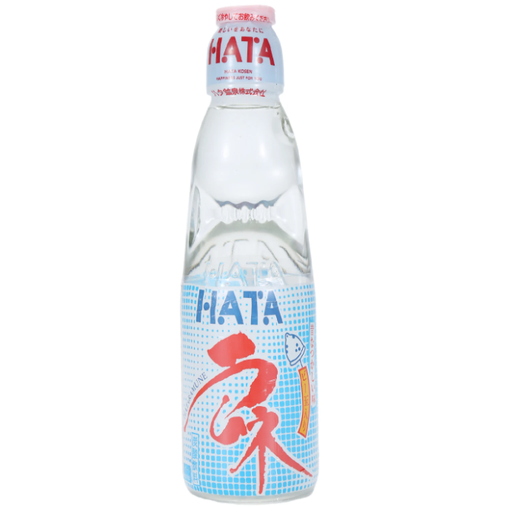
Why This Fits Their Persona: A manageable 200 ml serving for trying ramune for the first time without immediately buying several flavours.
The product listing describes the flavour as bubblegum-like, so you do not have to rely solely on the bottle design.
200 ml; glass bottle with marble seal; 35 kcal per 100 ml according to the product information.
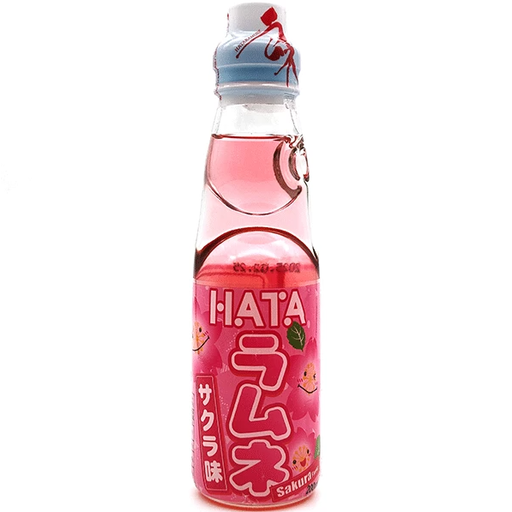
Why This Fits Their Persona: A strong match for collectors and guests who value a striking Sakura bottle design as much as the drink itself.
The product details list the Sakura design and original flavour separately, so the two characteristics are not confused.
200 ml; 35 kcal and 8.7 g of sugar per 100 ml according to the stated nutritional values; none of the 14 major EU allergens listed.
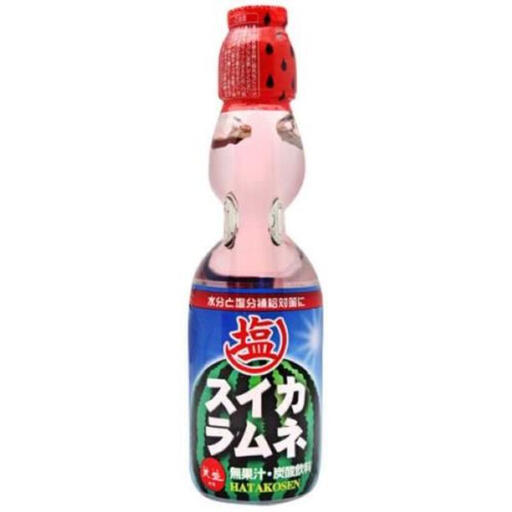
Why This Fits Their Persona: A fruity choice for summer parties, anime gatherings or anyone looking for classic ramune with a watermelon flavour.
The flavour is clearly stated in the product name and the ingredients list natural flavourings; check the current packaging for any changes.
200 ml; traditional glass bottle with marble; 41 kcal and 10.2 g of sugar per 100 ml according to the product listing.
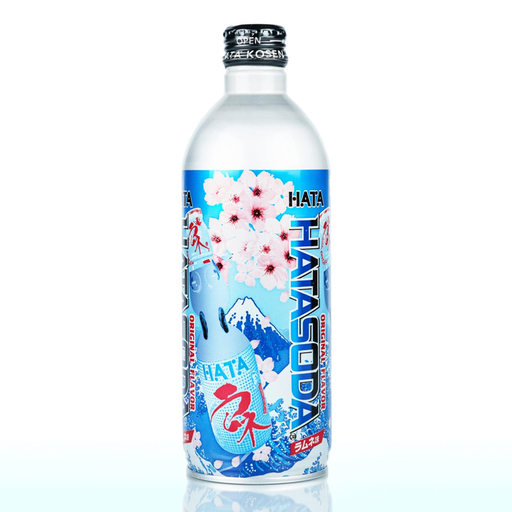
Why This Fits Their Persona: Convenient for a group at a barbecue, picnic or party when 200 ml per person is not enough.
The larger format means you do not need numerous small bottles for a group; after opening, the drink should still be refrigerated.
500 ml; marble seal; no artificial colourings added, according to the product information.
We have compiled a complete, real-time list of products that fully satisfy these strict selection criteria and UK safety regulations.
Stand the bottle upright on a stable surface. Remove the protective film or cap, place the plunger over the opening and press it firmly downwards. The marble will fall into the recess in the neck. Keep the plunger pressed briefly, then drink carefully. Do not shake the bottle or remove the marble.
Store unopened bottles according to the instructions on the packaging, away from direct sunlight and heat. The best-before date is printed on the label. After opening, the bottle should be refrigerated and consumed within the specified period. Check that the seal is intact before use.
That depends on personal preference and any allergies. Melon, strawberry and watermelon are familiar fruity options. According to the product information, Original has a bubblegum-like profile. Always check the sugar content, ingredients and warnings on the label. Supervision is advisable for young children while opening and drinking.
