
当日/次日达

品质保障

开启新人专享福利: 全场免邮 | 低至 2 折 | 免费试用 30 天 JoyPlus 会员
下载 Joybuy
Buying a bottle of Japanese fizzy drink seems simple: choose an eye-catching flavour, add a few bottles to your basket and you’re done. But there are differences in size, ingredients, sugar content, packaging and ease of use. A colourful label doesn’t always tell you whether the drink has the flavour you’re looking for.
Whether you’re shopping for an anime night, a gift hamper, a party or simply a special fizzy drink from Asia, these tips can help you avoid disappointment.
The best-known Japanese fizzy drink in a marble-sealed bottle is Ramune, which stands out for its glass bottle and marble stopper. That makes it fun to open, but it doesn’t automatically mean the drink is less sweet, more natural or more intensely flavoured. Always check the ingredients and nutritional information.
Many Japanese sodas have a fruity flavour, but their main ingredients are often carbonated water, sugar, syrup, acidity regulators and flavourings. Some varieties list fruit concentrate or juice; others use flavourings. So if you’re expecting real fruit juice, you may be disappointed.
A 200 ml bottle is handy for trying a drink on your own or as a treat. A larger size may be more practical for a picnic or party. Also check the closure: a Ramune bottle is fun to open, but less easy to reseal than a standard bottle.
First, choose the style that suits the occasion:
Nutritional information can help you compare flavours. The product information provided lists around 8 to 11 grams of sugar per 100 ml for various Ramune flavours. The exact amount varies by flavour and brand, so check the current label before you order.
Ramune is often sold in a 200 ml bottle with a glass marble in the neck. Open the bottle on a flat, stable surface and follow the instructions on the packaging. Supervise young children, and don’t remove the marble from the bottle.
For home use, 300 ml bottles or a multipack are often more convenient. For example, Mogu Mogu comes in a pack of six 320 ml bottles. A larger pack may be suitable for a party, but check the best-before date and make sure you have room to store it.
When buying Japanese fizzy drinks, always read the European product information. In particular, look out for:
Some product descriptions state that a drink contains none of the 14 major EU allergens. Still, check the packaging, as the label is the definitive source of information. Products containing colourings must also carry the relevant legal warning where applicable.
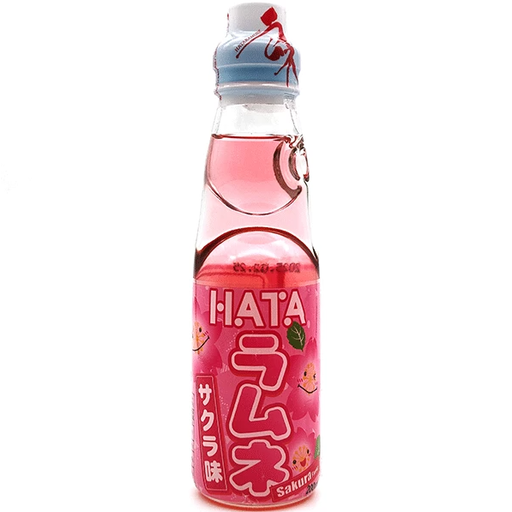
Why it suits this profile: The 200 ml bottle makes it easy to try without committing to a larger drink. The Sakura version offers the classic Ramune experience without having to buy several bottles at once.
The product information lists the bottle size, ingredients and nutritional values, so you don’t have to judge the drink by the Sakura design alone.
200 ml per bottle, a glass marble stopper and 8.7 g of sugar per 100 ml, according to the published product information.
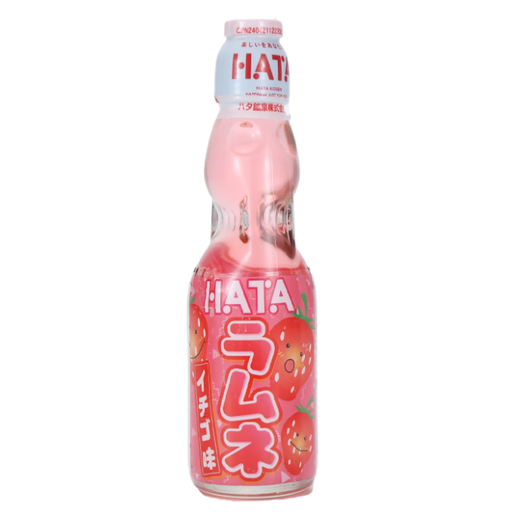
Why it suits this profile: This version pairs a familiar strawberry flavour with the traditional bottle. It’s a good fit if you care about both presentation and a clear flavour profile.
The product description lists the ingredients, bottle size and opening instructions, so you know what you’re buying before you open it.
200 ml, strawberry flavour, a glass marble bottle and 8.2 g of sugar per 100 ml, according to the product information.
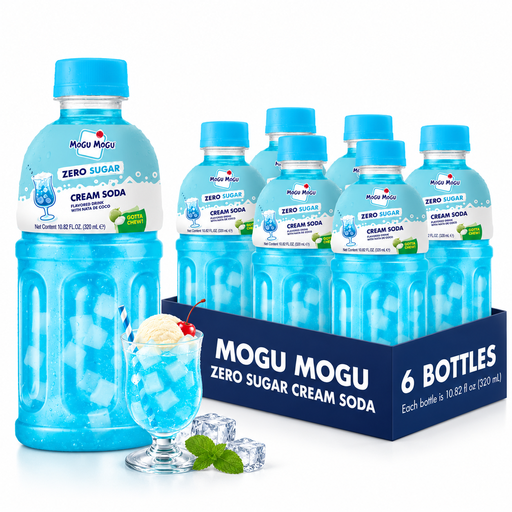
Why it suits this profile: If you need several drinks for home, work or a get-together, this pack contains six individual 320 ml bottles. It’s an Asian fizzy drink made in Thailand, not Japanese Ramune.
The packaging and origin are clearly described. You can choose it knowing you’re getting a nata de coco drink with cream soda flavour, not a traditional marble-sealed bottle.
Six 320 ml bottles, 15% nata de coco and, according to the published nutritional information, 0 g of sugar per 100 ml.
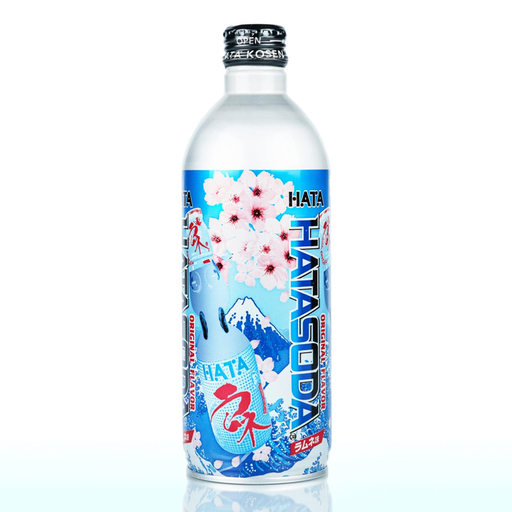
Why it suits this profile: The 500 ml bottle is a good choice when one small serving isn’t enough, such as for a tasting session, picnic or get-together.
The larger size is clearly stated, so you can match the amount to the number of people drinking before you order, rather than buying several smaller bottles.
500 ml, a traditional marble stopper and, according to the product information, no added artificial colourings.
We’ve put together a full, up-to-date list of products that meet these strict selection criteria and the current European safety regulations.
Before you check out, make sure:
Stand the bottle upright on a flat surface. Use the part provided to press the stopper down and hold it briefly. The marble will stay in the neck of the bottle. Always follow the instructions on the packaging, and don’t let young children open the bottle unsupervised.
Once opened, the fizz starts to fade. Keep the drink chilled and seal the bottle tightly if possible. The exact storage time varies by product, so follow the instructions on the label and drink it within the recommended period.
No. Sugar content varies between products. Many Ramune flavours contain sugar, while some varieties are made with sweeteners or without sugar. Compare the nutritional information per 100 ml before choosing.
