
Vandaag of morgen in huis

Kwaliteit gegarandeerd

Welkomstaanbiedingen ontgrendelen: GRATIS bezorging | Tot 80% korting | Gratis 30 dagen JoyPlus-proefperiode
Download de app
Buying Japanese products in the UK might seem straightforward, but the range varies considerably in origin, ingredients and intended use. A packet covered in Japanese characters doesn't automatically mean the product comes from Japan. Likewise, terms like "authentic flavour", "premium" or "healthy" don't always give you enough information to make a good choice.
With this practical selection guide, you can compare Japanese snacks, Japanese sauces, noodles, cooking oils and Japanese cosmetics on verifiable product information. That way, you'll find something that suits your budget, cooking style or daily routine much more easily.
Some products are inspired by Japan but made elsewhere. That's not necessarily a problem, as long as you know what you're buying. For example, Taokaenoi Crispy Seaweed Japanese Sauce is a snack with a Japanese style and flavour, but the product information lists Thailand as the country of origin.
If you're specifically looking for Japanese imported products, it's worth checking the origin, manufacturer and responsible importer. Don't just look at the front of the packet.
Japanese sauces and instant noodles regularly contain soya, wheat, gluten or sesame. Some products also include milk, egg or chicken. For instance, Kikkoman Tamari Gluten Free Soy Sauce is positioned as gluten-free, but it does contain soya. Hikari Enjuku Miso Soup Aburaage contains soya, gluten and wheat.
Always read the actual packaging. The online product information may be incomplete or differ from the label.
Chilli oil in a 33 ml bottle is handy for trying out first, but less suitable if you cook spicy food often. With ramen, miso soup and soy sauce, it's also wise to check the portion size and amount of salt. A sauce can add plenty of flavour per tablespoon, but also contain relatively high levels of salt.
For food products, check at least:
For cosmetics, the contents, application and warnings are important. A cleansing oil like SENSAI Step 1 Silky Purifying Cleansing Oil is intended for use on the face; a hair oil like Shiseido Fino Hair Treatment Oil is meant for the hair. Don't take product claims as a guarantee of a particular result. According to the product information from the brand or seller, a formula may, for example, help hair feel smoother, but the experience varies from person to person.
Look for a clear allergen declaration. Important examples from the range:
If you have allergies or intolerances, always check the physical label. "Gluten-free" should not be inferred from marketing text alone.
Not every soy sauce is intended for the same use. A sushi and sashimi sauce is practical as a dipping sauce, while a standard Japanese soy sauce can also work well for marinades and hot dishes. Ponzu combines soy sauce with citrus, making it suitable for dressings, dumplings, fish or vegetables.
For extra heat, there are several options. S&B La-Yu is a small bottle with sesame oil, chilli extract and paprika powder. Momoya Strong MA-LA Chili Oil contains garlic, sesame, Sichuan pepper and chicken stock, among other ingredients. The latter makes it less suitable for vegetarians and those avoiding certain allergens.
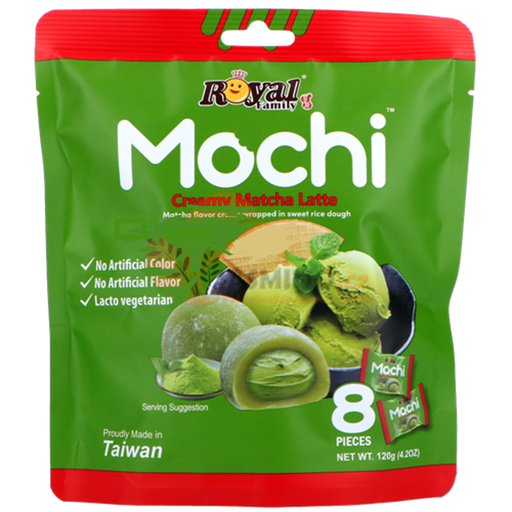
Why this fits the profile: A low-barrier introduction to Japanese snacks thanks to the compact size and soft filling with a subtle matcha flavour.
The 120 g content makes the purchase straightforward. Do check the listed ingredients and allergens: this product contains milk and soya.
120 g pack; soft milky filling; matcha and green tea powder listed in the ingredients.
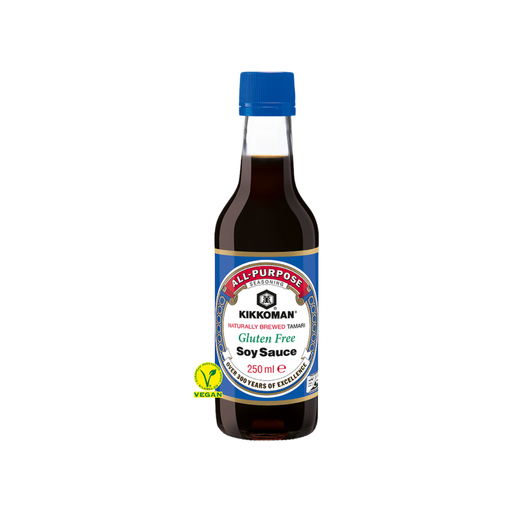
Why this fits the profile: Ideal for anyone specifically looking for a tamari variety and wanting to compare ingredients and nutritional values in advance.
The product information lists water, soya beans, salt and alcohol vinegar. Check the label for the current gluten-free claim and allergen information.
250 ml content; 10 g protein per 100 ml according to the stated table; soya clearly listed as an allergen.
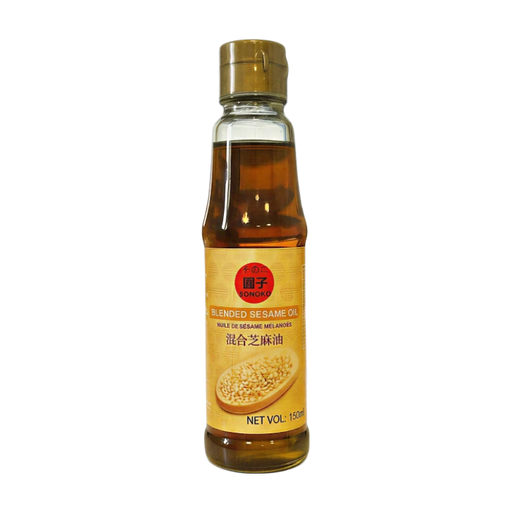
Why this fits the profile: Practical for anyone who regularly stir-fries, pan-fries or prepares cold Asian dishes and wants a milder oil blend.
The composition explicitly states 30% sesame oil and 70% soya oil. This means you won't accidentally buy pure sesame oil.
150 ml content; suitable for stir-frying, pan cooking and cold dishes; contains sesame and soya.
We've put together a full, up-to-date list of products that fully meet these strict selection criteria and comply with current European safety regulations.
You can buy Japanese products online from specialist web shops and broader platforms offering Asian groceries. When comparing, don't just look at the price, but also at the contents, origin, allergens, shelf life and delivery terms.
Japanese ramen is usually thinner wheat noodles served with a seasoned broth or sauce. Udon noodles are typically thicker and softer. With instant varieties, check whether you only need hot water or whether the noodles need to be boiled. Some udon products also contain wheat, soya and sesame.
Store unopened products according to the label, usually in a cool, dry place away from direct sunlight. After opening, soy sauce, ponzu or chilli oil may have different storage advice. Mochi often needs to be sealed tightly after opening and stored as per the packaging. Always check the best-before date and do not use a packet if the seal is damaged.
