
Vandaag of morgen in huis

Kwaliteit gegarandeerd

Welkomstaanbiedingen ontgrendelen: GRATIS bezorging | Tot 80% korting | Gratis 30 dagen JoyPlus-proefperiode
Download de app
Japanese products are easy to find online, but the difference between a great purchase and a mistake often lies in the details. A packet with Japanese characters doesn’t automatically mean the product was made in Japan. Terms like “restaurant style”, “traditional” and “premium” also tell you very little if the material, origin, allergens or usage restrictions are missing.
So if you’re looking for Japanese snacks, Japanese groceries, ramen, tableware or home décor, it’s well worth checking the practical information first. Below are the most common pitfalls, key specifications and a few targeted recommendations from the range.
“Japanese style” can refer to the design, recipe or presentation. It doesn’t always tell you the country of production. For example, Hikari Miso Restaurant Style Ramen Tonkotsu Taste states that the product is made in Japan. Other products with a Japanese-style name may come from different countries.
So always check:
This is especially important for mochi, ramen, furikake seasonings and frozen products.
A Japanese cooking pot might look suitable for any kitchen, but the heat source varies by model. The COOKER KING ceramic stew pot (1.5 litres) is specified for gas and open flame. The pot is not suitable for induction. If you don’t check that beforehand, you could end up ordering an unsuitable product.
With Japanese tableware and kitchen items, look out for:
Marketing copy may highlight certain qualities, but allergens are listed in the ingredients. Hikari miso ramen contains wheat, soya and sesame. Kewpie mayonnaise contains egg and mustard; the 500 ml variant also lists soya as an allergen.
With Japanese snacks and groceries, always check:
For a cooking pot, ceramic with a glaze is different from stainless steel. The COOKER KING stew pot (1.5 litres) is described as ceramic with a lead-free glaze and heat resistance up to 200 °C. At the same time, there are clear warnings: use medium to low heat and avoid sudden temperature changes.
A stainless steel mixing bowl set has different advantages. The PURECOOK set consists of four bowls made from 304 stainless steel in sizes 19, 22, 25 and 28 cm. According to the product information, the bowls are dishwasher safe but not suitable for the microwave.
For a one- or two-person household, a ramen portion or onigiri of 100 grams can be practical. A 1.5-litre cooking pot is mainly suitable for smaller amounts of soup, porridge or stewed dishes. For a family, a larger 3 or 4.5-litre model would make more sense.
Size also matters with Japanese home décor. The Japanese zen vase (9.7 cm) fits on a desk, shelf or coffee table and is intended for a single flower, dried flowers or as a standalone decorative piece. Measure the space beforehand, especially if you plan to use a low cabinet or narrow windowsill.
Frozen products must stay frozen until use. This applies to Japanese sausages and onigiri, among others. According to the product information, these items should not be refrozen once thawed. Store ramen and furikake in a dry place away from heat and direct sunlight.
Also watch out for contradictions between general sales copy and the label. The label on the packaging contains the most up-to-date information on shelf life, allergens and preparation methods.
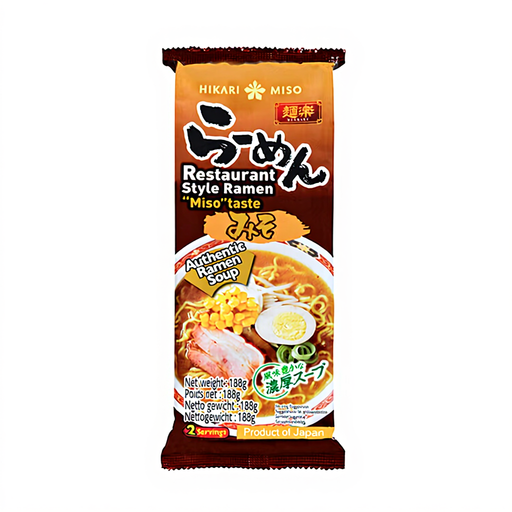
Why this fits the profile: A compact introduction to miso ramen for anyone who wants to prepare a quick Japanese meal at home without buying lots of separate ingredients.
The packaging states preparation, nutritional values and allergens. Do note the presence of wheat, soya and sesame.
Miso flavour, 188 g pack and a clear ingredients list for everyday use.
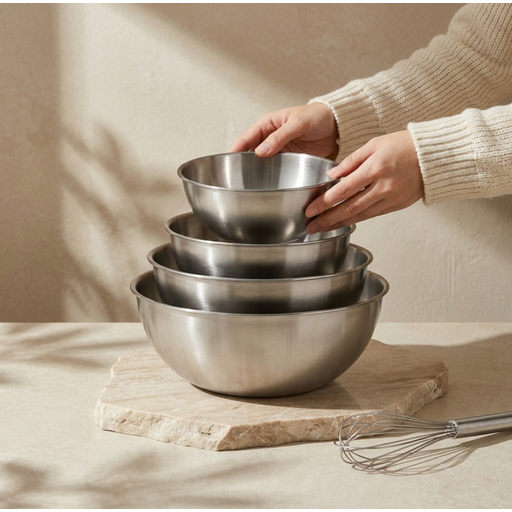
Why this fits the profile: Handy for anyone who cooks regularly and wants one set for washing, mixing, marinating and serving.
The four sizes and the material are clearly stated. Do not use the bowls in the microwave.
304 stainless steel, four nestable bowls and dishwasher safe according to the product description.
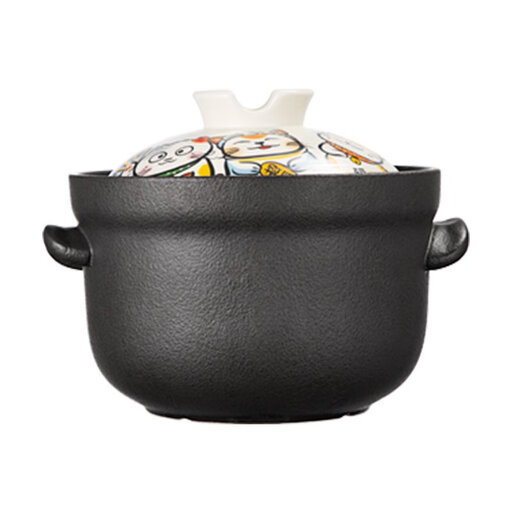
Why this fits the profile: A larger capacity suits families or cooking enthusiasts who prepare soup, porridge and stewed dishes in multiple portions.
Check before purchase whether your hob is suitable. The product information does not mention induction compatibility.
3 litre capacity and ceramic construction for gas and open flame, with care instructions included with the product.

Why this fits the profile: Ideal for a small desk, shelf or coffee table where a subtle decorative accent is wanted.
The height of 9.7 cm is clearly stated. Check beforehand whether that size fits your chosen spot and flower type.
Ceramic material, matte beige finish and suitable for single flowers or dried branches.
We’ve put together a full, up-to-date list of products that fully meet these strict selection criteria and comply with current European safety regulations.
If you’re searching for a Japanese supermarket online, the easiest way to browse the range is by usage scenario:
With Kewpie mayonnaise, you can choose between 355 ml and 500 ml. The smaller bottle is practical if you want to try the product first; the larger pack is better for regular use. Check the stated nutritional values and allergens before ordering.
No. The description “Japanese style” can refer to the recipe, flavour or design. Always check the country of origin and the manufacturer on the product page and packaging.
That varies by product. Look at the date on the packaging and follow the storage instructions. According to the product information for some variants, opened mochi must be refrigerated and eaten within the stated period.
Not automatically. The COOKER KING models in this selection are intended for gas and open flame according to the available specifications and are not suitable for induction. Always check this before purchase, as an adapter is not suitable for every ceramic model.
