
Vandaag of morgen in huis

Kwaliteit gegarandeerd

Welkomstaanbiedingen ontgrendelen: GRATIS bezorging | Tot 80% korting | Gratis 30 dagen JoyPlus-proefperiode
Download de app
The world of Japanese products is vast and alluring. From unique Japanese snacks to refined sake, the selection in an online Japanese supermarket can be overwhelming. But how can you be sure you're getting authentic quality and not wasting money on a disappointment? Many products look appealing, but not everything is as it seems.
Before you fill your digital shopping cart, it's wise to be aware of a few common pitfalls. This will help you see through marketing hype and make choices you'll genuinely enjoy.
You don't need to be an expert to avoid these pitfalls. By paying attention to a few objective specifications, you can make a much better choice.
The most reliable way to determine authenticity is by looking at the label.
buying sake, for example, you'll want to look for the basic ingredients: rice, water, koji (a type of mould), and yeast. The term Junmai on a sake bottle guarantees that no extra alcohol has been added, which is often a sign of purity. For Japanese snacks or other Asian groceries, the ingredient list provides clarity on the flavourings and additives used.For Japanese drinks, the flavour profile is crucial to avoid disappointment.
Choya, is typically sweet and fruity with a lower alcohol content (around 10-15%). Perfect for beginners or as an aperitif.To help you get started, we've selected a few products that suit different preferences and profiles. These choices are based on their clear specifications and popularity.
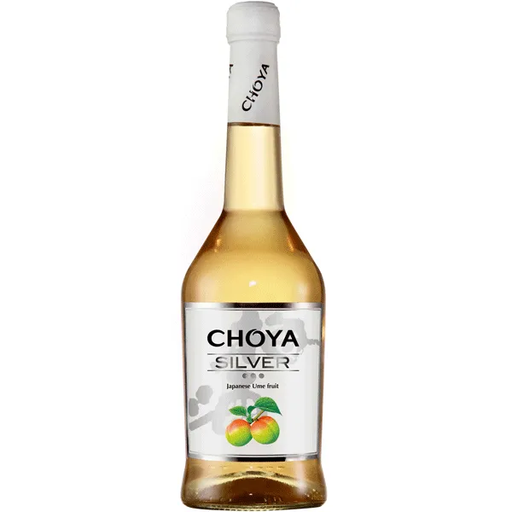
Why This Fits Their Persona: This is an accessible and versatile introduction to the world of Japanese beverages. The sweet, fruity flavour of the ume plum is instantly recognisable and widely appreciated, making it ideal for those not yet accustomed to the complex tastes of dry sake.
Choya is a renowned brand that produces authentic umeshu. So you're not buying a vague "Japanese-style plum wine." The flavour profile is clearly described as sweet and sour, so you know exactly what to expect.
Made from carefully selected ume plums. Versatile to drink: chilled, on the rocks, or as a base for cocktails. The 10% alcohol content makes it a light, pleasant drink.
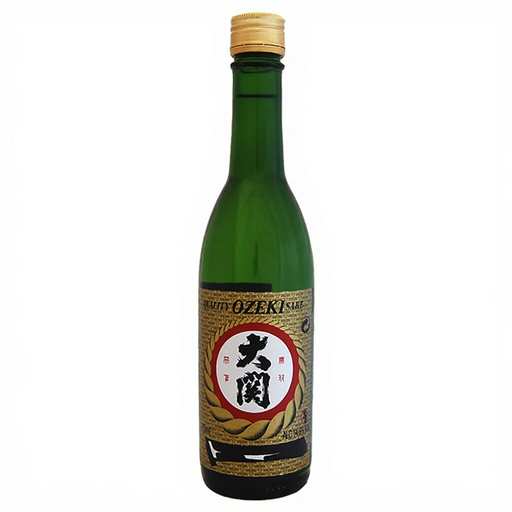
Why This Fits Their Persona: For those who love to cook or want to broaden their palate, a classic Junmai sake is an excellent choice. This sake is pure and full-bodied, making it a perfect pairing for dishes like sushi or ramen, but it can also be used as an ingredient in sauces.
The term Junmai is a protected quality designation. It guarantees that the sake is brewed with only rice, water, yeast, and koji, with no added alcohol. This prevents you from buying a lower-quality "futsu-shu" (table sake).
Pure, full-bodied flavour with umami notes. Can be enjoyed chilled, at room temperature, or warm, making it highly versatile. The 16% alcohol content is traditional for this type of sake.

Why This Fits Their Persona: Japanese products are more than just food and drink. For those who appreciate Japanese innovation and sleek design, a product from an iconic brand like Sony is a logical choice. This speaker combines portability with powerful sound, perfect for home or on the go.
By purchasing this product from a local webshop, you avoid the pitfall of unexpected import costs and long delivery times. Moreover, you get the security of a 2-year manufacturer's warranty, which is often a major headache with direct imports from Japan.
The speaker is IP67 water, dust, and rust-resistant, making it ideal for outdoor use. The 12-hour battery life and light weight (650g) make it extremely practical and portable.
If you're specifically interested in Japanese beer, we've compiled a complete, up-to-date list of beers that meet these selection criteria.
A good indicator is the Sake Meter Value (SMV) or Nihonshudo (日本酒度), if listed. A positive number (e.g., +5) indicates a drier taste, while a negative number (e.g., -20) points to more sweetness. Additionally, terms on the label like karakuchi (辛口) for dry and amakuchi (甘口) for sweet provide clarity. When in doubt, the product description often provides the necessary information.
The unique flavours of KitKat Japan, such as strawberry, matcha, or sake, that you find in a Japanese supermarket online are typically developed especially for the Japanese market and imported. The taste is authentic and cannot be compared to the standard KitKat you find in your local supermarket. Always check the expiration date to ensure freshness.
Although it's often called "plum wine," umeshu is technically a liqueur. It is made by steeping unripe ume plums in spirits (like shochu) and sugar for months. Wine, on the other hand, is created through the fermentation of fruit sugars. Brands like Choya specialise in making this traditional Japanese liqueur.
