
Vandaag of morgen in huis

Kwaliteit gegarandeerd

Welkomstaanbiedingen ontgrendelen: GRATIS bezorging | Tot 80% korting | Gratis 30 dagen JoyPlus-proefperiode
Download de app
Japanese noodles are handy for a quick lunch, a bowl of ramen or a stir-fry. Yet many packets look alike. A cup isn’t always a complete meal, “miso” tells you nothing about the salt content, and a large pack is only good value if you’ll use the noodles in time.
With these checks, you can choose more wisely from the range of Japanese noodles, instant noodles and other Asian noodles.
Words like miso, teriyaki, sesame or chilli mainly describe the flavour direction. They don’t automatically tell you how much salt, sugar or fat the product contains. For example, the Nissin RAOH Miso 3-Serving Pack lists 2,283 mg of sodium per 100 grams, while the exact serving size and preparation method also count.
So always check the nutritional information table and see whether the values are given per 100 grams or per serving.
A bag of 800 grams or a multi-pack with six servings can be convenient for families and frequent users. For someone who eats noodles only occasionally, several individual packs may be more practical. Pay attention to the best-before date, storage instructions and serving size. Store dry products in a cool, dry place away from sunlight and moisture.
The noodles themselves may seem vegetarian, while the seasoning contains fish, chicken, shellfish or other animal ingredients. For instance, Nissin Soba Classic Cup lists chicken pieces. The Igarashi Seimen Sapporo Miso Ramen Noodles Vegetarian, on the other hand, also mentions shellfish as an allergen. So always check the full ingredients list and allergen information on the packet.
The shape and texture determine which dish works well:
Wheat is common in many Japanese noodles. With udon, ramen and somen, this is usually clearly stated. In addition, soya beans, sesame, egg, milk, fish, chicken or shellfish may be present in the seasonings.
If you eat vegetarian or vegan, it’s wise to check the seasoning separately. A product with simple ingredients such as wheat flour, water and salt often gives you more scope to add your own stock, vegetables and tofu. Also look out for cross-contamination warnings, such as “may contain traces”. If you have a serious allergy, it’s best to consult the actual packet and manufacturer’s information directly.
A 66-gram cup is intended as a single serving or snack. A three-serving multi-pack is more convenient if you want to plan several meals. Also check:
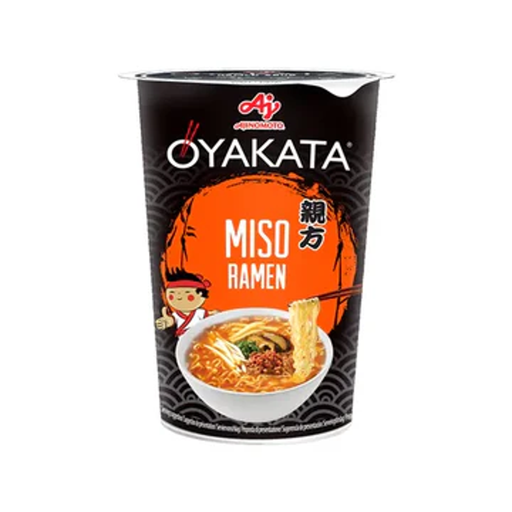
Why this suits the profile: The single cup only needs hot water, making it straightforward for anyone trying Japanese instant ramen for the first time.
The packet states a serving size of 66 grams and a clear preparation method. This way, you don’t buy a large stock straight away.
Miso flavour, cup format and ready in minutes. Contains no artificial colours according to the product description.
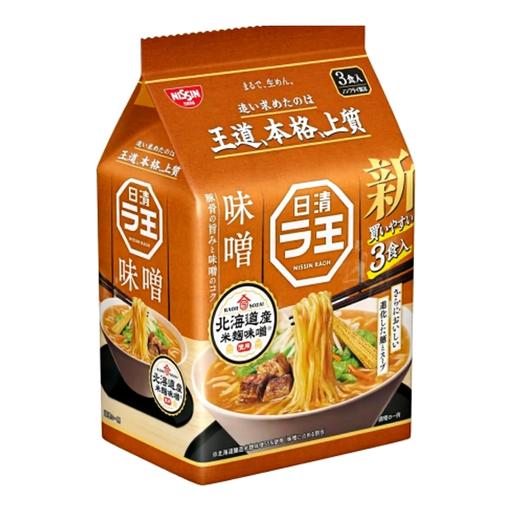
Why this suits the profile: The pack contains three servings and is ideal for anyone who cooks ramen at home regularly and wants to build up a supply.
The number of servings and net weight are clearly stated. Do check the full allergen list: the product contains, among other things, wheat, egg, milk, sesame, soya, chicken and pork.
Miso broth, three servings and wholewheat noodles according to the product description. Origin: Japan.
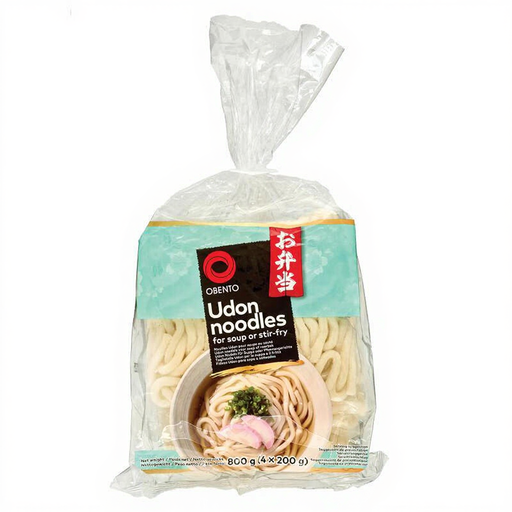
Why this suits the profile: The large size suits families or home cooks who regularly make soup, stir-fries and cold noodle dishes.
You buy a neutral base without a fixed seasoning sachet. This means you decide on the stock, vegetables and protein source yourself.
800 grams of wheat noodles, suitable for soup, stir-fries and cold salads. Contains wheat.
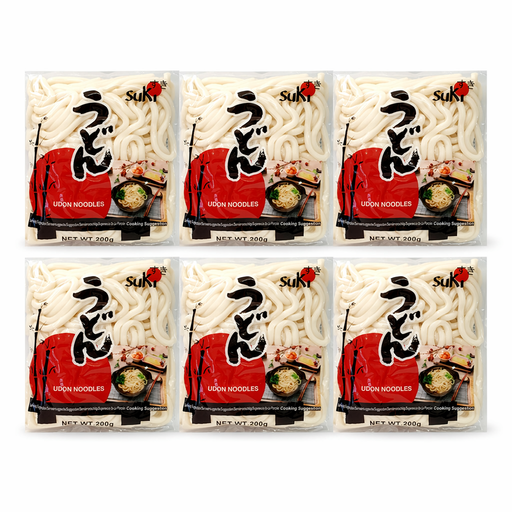
Why this suits the profile: Six individual 200-gram packs are practical when you want to divide portions without storing a large opened bag.
The portions are individually packed. According to the product information, any slight acidity from acidity regulators can be rinsed off by washing the noodles.
Six portions, suitable for soup, stir-fries and hotpot. Ingredients: includes wheat flour, water, salt and cassava flour.
We’ve put together a full, up-to-date list of products that fully meet these strict selection criteria and comply with current European safety regulations.
For the shortest preparation, instant noodles in a cup are practical. You just add hot water and follow the instructions on the packet. A bag of ramen or soba often gives you more scope to add your own vegetables or tofu, but may require a pan and extra preparation time.
Udon noodles are thick and firm and are often used in soup or stir-fries. Ramen noodles are usually thinner and often come with a broth base, such as miso. The exact texture varies by brand, so check the product description and preparation instructions.
Dry noodles and instant noodles generally have a long shelf life, but the actual date is on the packet. Store them in a cool, dry place away from direct sunlight. Before use, check the packet, ingredients and allergen information. If the packaging is damaged, it’s best not to use the product.
