
当日/次日达

品质保障

开启新人专享福利: 全场免邮 | 低至 2 折 | 免费试用 30 天 JoyPlus 会员
下载 Joybuy
Buying Japanese noodles seems simple until you are faced with a shelf or online selection featuring udon, ramen, soba, somen and shirataki. The difference is not just in the shape. Preparation time, serving size, ingredients and allergens also determine whether a product is right for your kitchen.
If you rely mainly on a photograph or the word “authentic”, you can easily end up buying inconvenient packaging or an overly salty meal. With this practical buying guide, you can compare Japanese noodles online based on the factors that really matter in the Netherlands.
Instant noodles are convenient, but a cup or packet does not always contain enough ingredients for a complete meal. A serving may consist mainly of noodles and seasoning. That is why you should check the net weight, number of servings and nutritional information. A 66-gram cup, for example, is mainly suitable as a quick lunch, snack or base to which you add vegetables and egg.
With ramen and yakisoba noodles, much of the flavour comes from the sachet provided. As a result, salt and fat levels can vary considerably between products. Check the nutritional information per 100 grams and per serving. Hikari Miso Restaurant Style Ramen, for example, lists 10.9 grams of salt per 100 grams. This is important information when preparing several servings at once.
Udon noodles, ramen noodles and most somen noodles are wheat-based. Soba noodles often contain buckwheat, but may also contain wheat flour. Always check the allergen information. A product labelled “miso” or “vegetable” may still contain soya, sesame, egg, milk, fish or meat ingredients.
Product information and packaging may change. Always read the current label, allergen information and preparation instructions before use.
The right type depends on texture, sauce and preparation method.
Look for wheat, gluten, soya, sesame, egg, milk, fish and shellfish. If you have an allergy or intolerance, the packaging is the deciding factor. “Vegetarian” also does not automatically mean vegan. An instant ramen product, for example, may contain chicken, pork or fish ingredients.
Check whether the noodles are dried, pre-cooked or ready to heat. Dried ramen and soba usually require cooking. Pre-cooked udon is quicker to prepare, but may need to be refrigerated after opening according to the label. With SUKI Udon, it is recommended that you rinse the noodles before cooking; this can reduce slight acidity caused by acidity regulators.
For one person, a 200- or 270-gram packet can be practical. Families and keen cooks who make stir-fries more often may be better off choosing a larger pack, such as Obento Udon Noodle 800 grams or Wheatsun Tomoshiraga Somen Noodles 1.82 kilograms. A multipack helps avoid buying several individual packets, but do check your storage space and the best-before date.
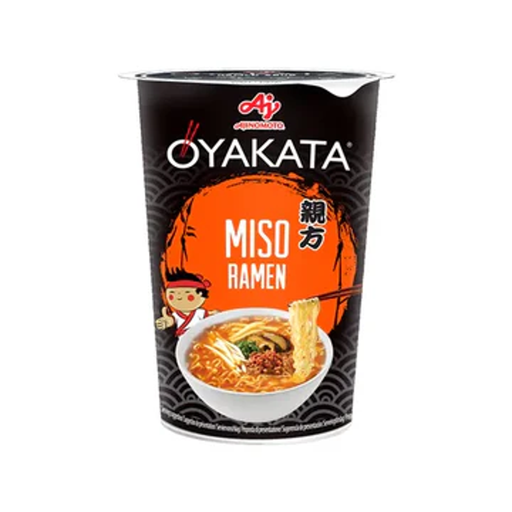
Why it suits this type of shopper: A single cup requires very little preparation: just add hot water and wait a few minutes. It is a convenient way to try miso ramen for the first time at the office, at home or on the go.
The 66-gram serving size and preparation time are clearly stated. This means you know in advance that it is a compact meal or snack, rather than a large family serving.
Miso base, instant preparation and no artificial colourings according to the product description. It does contain wheat and soya.
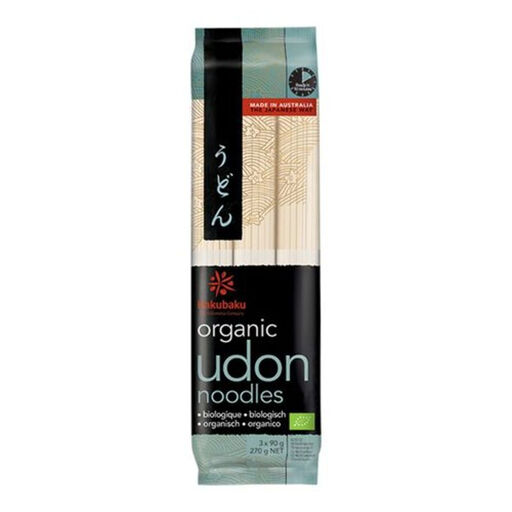
Why it suits this type of shopper: According to the product information, the short ingredients list consists of wheat flour, salt and water. This makes the noodles a straightforward base for homemade broth and stir-fries.
You are not buying a ready-made sauce whose salt and flavour dictate your choice. You can add your own toppings, broth and seasoning.
Thick udon texture, suitable for soup and stir-fries. The packaging states 270 grams and identifies wheat as an allergen.
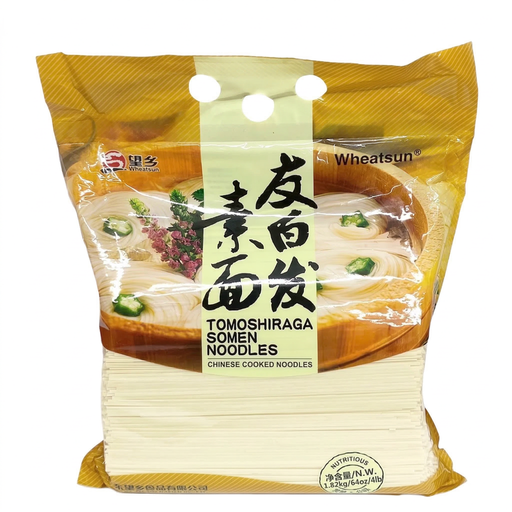
Why it suits this type of shopper: The large pack is ideal for families, meal preppers and households that regularly make cold noodle dishes, soups or stir-fries.
The quantity is clear from the outset, so you are less likely to buy several small packs for a family or stock cupboard.
1.82 kilograms of noodles with a simple composition of wheat flour, water and salt. Contains wheat.
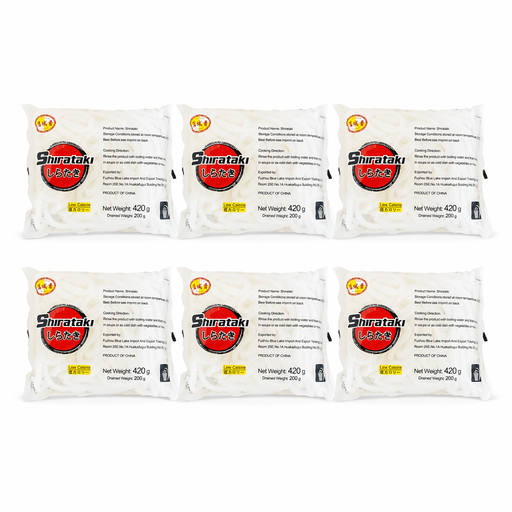
Why it suits this type of shopper: These konjac noodles are ideal if you are looking for an alternative to wheat noodles and enjoy adding your own flavour with broth, vegetables or sauce.
The product information clearly lists the ingredients and nutritional values. The neutral flavour makes the difference between the noodle type and the sauce easy to appreciate.
400 grams per pack, supplied as a set of six. According to the product information, this variant contains none of the 14 main EU allergens; check the label before use.
We have put together a complete, up-to-date list of products that fully meet these strict selection criteria and the applicable European safety regulations.
Instant noodles, ramen cups and ready-made udon bowls are generally the quickest options. Check the preparation time and add vegetables, tofu or an egg if you wish. Also pay attention to allergens and the salt content of the seasoning mix.
Not usually. Udon, ramen and somen are generally made from wheat. Shirataki noodles made from konjac may be a gluten-free alternative according to the product information, but always check the current packaging and any warning about possible cross-contamination.
Store dry noodles somewhere cool and dry, away from direct sunlight. For fresh or pre-cooked noodles, follow the instructions on the packaging. Do not use a pack if it is damaged, and check the best-before date before eating.
