
Vandaag of morgen in huis

Kwaliteit gegarandeerd

Welkomstaanbiedingen ontgrendelen: GRATIS bezorging | Tot 80% korting | Gratis 30 dagen JoyPlus-proefperiode
Download de app
Japanese and Korean biscuits have become increasingly popular in the UK among fans of unique flavours, convenient portions and familiar brands like Oreo and Pocky. However, it isn’t always clear what you’re actually buying. An eye-catching packet doesn’t tell you much about what’s inside, and a small bag can work out more expensive per gram than a multipack.
This guide helps you compare Japanese and Korean biscuits by flavour, size, ingredients, allergens and when you might eat them. That way, you can make a more informed choice from Asian biscuits, chocolate biscuits, wafers, sandwich biscuits and other sweet treats.
Matcha, strawberry or “ice cream” sounds appealing, but the amount of the named ingredient can be limited. For example, the Oreo Ice Cream Matcha Flavour contains 1.5% matcha powder. The flavour is therefore also influenced by other ingredients and flavourings. If you’re expecting a strong tea taste, it’s worth checking the ingredients list and the quantitative declaration.
Japanese snacks are often sold as individual portions. That’s handy for on the go, but when buying multiple packs, always compare the net weight and price per 100 grams. A 40g or 50g bag can be useful for a lunchbox, whereas a multipack is better value for a family or for stocking up your cupboard.
Biscuits often contain wheat, milk, soya or egg. Some products may also contain traces of peanuts, nuts or sesame. So check the allergen information before you order, and re-check the label when your parcel arrives. The product packaging may contain more or different information than the online product page.
First, decide which type of snack you’re after:
A matcha product isn’t automatically strongly bitter or tea-focused. Strawberry biscuits can also be mostly flavouring with a small amount of strawberry powder. So don’t just rely on the product name.
The size determines what a product is suitable for. A 16.5g pack is ideal for a small treat or a taster. A box of 234g or 468g makes more sense if you want to share or have multiple portions at home.
Pay attention to the following points:
Nutritional values are usually given per 100 grams, which makes comparison easier. In the available product information, the energy value ranges from 440 kcal per 100g for Orion Choco Pie to 539 kcal per 100g for Meito Pukupukutai Chocolate Wafer. These are product details, not a judgement on suitability or nutritional value.
Check in particular:
Don’t store chocolate, wafers or filled biscuits near a heat source. Temperature changes can affect the texture. Always follow the instructions on the label.
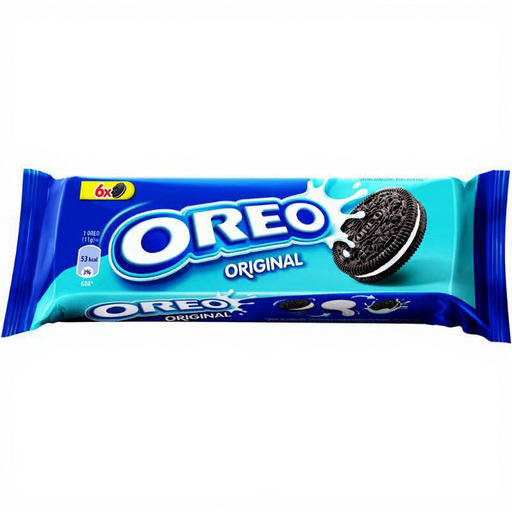
Why this fits the profile: A compact size with a familiar combination of cocoa biscuits and vanilla filling. Handy if you want to try a classic sandwich biscuit first.
The weight of 66 grams is clearly stated, making it easier to compare this product with larger packs.
Cocoa biscuits, 29% vanilla filling according to the product information, and a size for a single snack occasion.

Why this fits the profile: For fans of a familiar biscuit texture with a different flavour profile. The pack contains two packets.
The product information states both the net weight of 97 grams and the matcha content of 1.5%. This helps you set more realistic expectations for the flavour.
Two packs, sandwich structure, cocoa biscuit and matcha flavour; allergens such as wheat, soya and milk are listed.
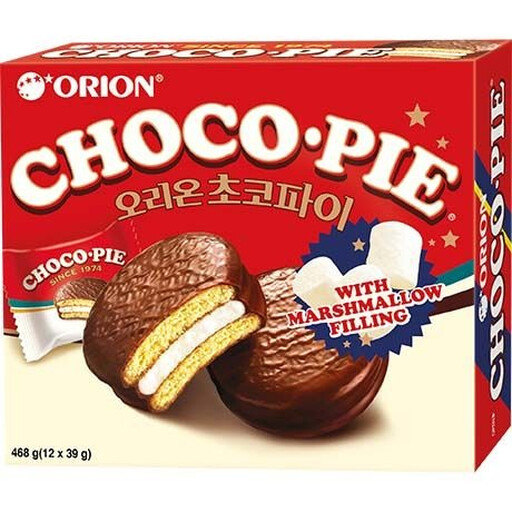
Why this fits the profile: A larger pack for sharing, for guests or for keeping a stock of Korean snacks at home.
The total weight of 468 grams makes this pack suitable for multiple snacking occasions. The allergen information lists wheat, milk, egg and soya.
Soft cake with a creamy filling and chocolate coating; per 100 grams the product information states 440 kcal and 34.9 grams of sugar.
We’ve put together a full, up-to-date list of products that fully meet these strict selection criteria and comply with current European safety regulations.
Choose a product with neat packaging and multiple portions, such as Pocky biscuits, KitKat or a box of assorted Asian biscuits. Check the best before date in advance, and if there are any allergies, always ask about the current ingredients on the packaging.
Store biscuits in a cool, dry place away from direct sunlight. Seal the packaging well after opening. Chocolate, wafers and filled biscuits can soften in warm conditions, which affects the texture. Follow the specific storage advice on the label.
That depends on the size, the import costs and the packaging. Compare the price per 100 grams and consider whether you’re buying a single bag, a multipack or a larger box. A smaller pack can be a good choice for trying an unfamiliar flavour first, while a multipack can be more practical for regular use.
