
Vandaag of morgen in huis

Kwaliteit gegarandeerd

Welkomstaanbiedingen ontgrendelen: GRATIS bezorging | Tot 80% korting | Gratis 30 dagen JoyPlus-proefperiode
Download de app
Japanese instant noodles are handy for a quick meal, a lunch at the office, or a warm snack after a long day. Yet instant ramen, ramen noodles and other Asian noodles vary greatly in flavour, preparation and portion size. A striking packet doesn't always tell you enough.
So pay particular attention to three common pitfalls:
Look on the packet to see whether you only need boiling water or you'll need a pan. The Instant Demae Ramen Noodle Spicy Beef, for example, is prepared according to the product information by adding boiling water and leaving the noodles covered for three minutes. That's practical in a student room, at the office or on the go.
With a product like yakisoba noodles, it's different. Hakubaku YAKISOBA NOODLE is intended for stir-frying and can be combined with vegetables, meat or seafood. For a quick meal without a hob, a sachet of ramen or a ramen cup is therefore more logical.
A 100-gram sachet is usually intended as a single portion. A 66-gram cup is more suited to a light lunch or snack. A multipack, such as Nissin RAOH with three portions or a box of 30 sachets, is more interesting if you eat instant ramen regularly.
Also pay attention to the type of noodle:
Many Japanese instant noodles contain wheat and soya. Sesame regularly appears in oil or as a topping. Some varieties also contain milk, egg, celery, fish, shellfish or pork. So always check the current label, especially if you have an allergy or dietary requirement.
The salt content also deserves attention. The product information for Hikari Miso Restaurant Style Ramen Miso Taste, for example, states 10.9 grams of salt per 100 grams. With other products, the salt content is listed per portion or as sodium. These values aren't always directly comparable. Use the packet as a guide for the most up-to-date information.
The recommendations below are based on the stated ingredients, portion size, preparation method and packaging. Brand descriptions about taste or product performance are shown as product information from the supplier; they are not a guarantee of everyone's personal taste experience.
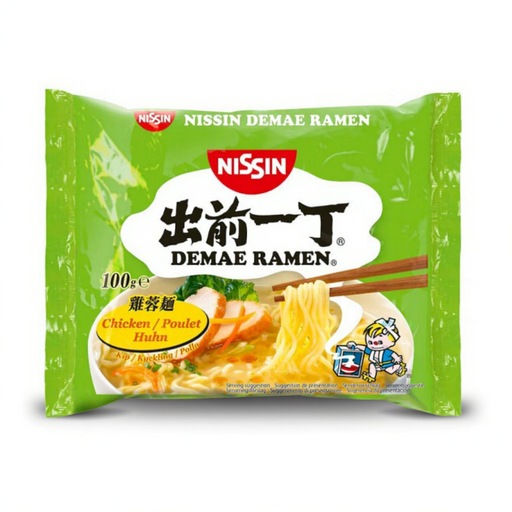
Why this fits the profile: A single 100-gram portion is low-risk when you're trying instant ramen for the first time or want to alternate between chicken ramen and other flavours.
You don't have to buy a large value pack before you know whether the chicken flavour suits you. The preparation method is simple and the product information mentions a chicken broth.
100 grams per sachet, suitable for a quick meal; product information states preparation as an instant noodle with chicken broth.
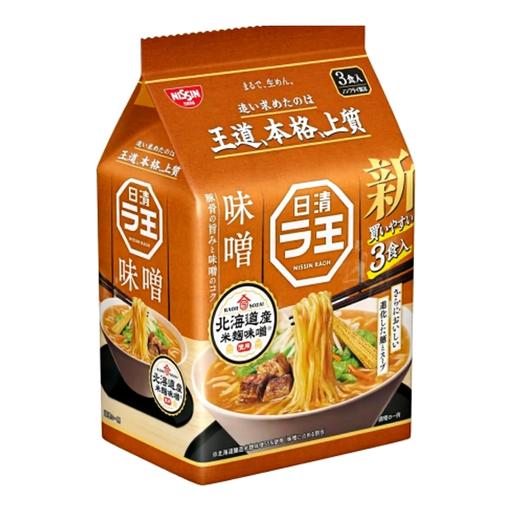
Why this fits the profile: This pack offers three portions and combines miso with, among other things, pork extract, vegetables and wholegrain noodles according to the product description.
The flavour isn't indicated by a generic ramen name alone: miso and various soup ingredients are listed in the product information. Do check the current composition on the packet yourself.
Three portions in one pack; Japanese origin according to the product information; suitable for fans of ramen with miso.
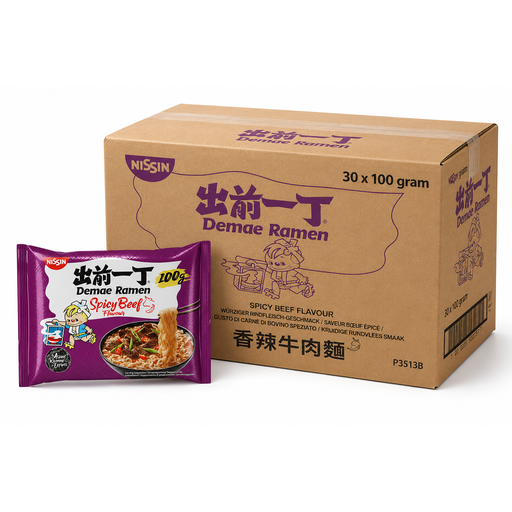
Why this fits the profile: The box of 30 sachets is aimed at regular use at home, in an office space or within a larger household.
The packaging clearly states 30 individual portions of 100 grams. So you can see upfront that you're choosing for stock and convenience, not for a single trial pack.
30 portions; according to the product information, firm noodles, seasoned beef flavour and a preparation time of three minutes.
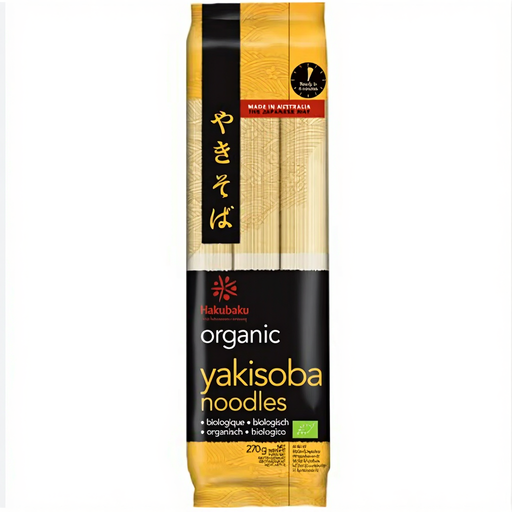
Why this fits the profile: This 270-gram pack is suitable for multiple portions and for anyone who wants to add their own vegetables, chicken, beef or prawns.
The product description states that these noodles are intended for stir-frying. So you're not buying soup noodles with the wrong preparation expectation.
270-gram pack; suitable for stir-frying; ingredients list states wheat flour, water and salt.
We've put together a full, up-to-date list of products that fully meet these strict selection criteria and comply with current European safety regulations.
Always follow the instructions on the packet. With many sachets, you put the noodles and seasoning in a bowl, add boiling water and wait about three minutes. Some products need to be boiled in a pan first and then mixed with sauce or seasoning. You can add spring onion, egg, tofu or vegetables if you like, but bear in mind the extra preparation time.
The best-before date is on the packet. Store unopened products in a cool, dry place, away from direct sunlight, heat and moisture. Do not use a packet if it is damaged. With multipacks, it's sensible to use the oldest sachets first.
That depends on the portion and what you add. Many instant ramen mainly contain noodles and flavourings. For a more filling meal, you can add vegetables, egg, tofu, chicken or other ingredients. If you have allergies or dietary requirements, always check the ingredients and allergens on the current label.
