
Vandaag of morgen in huis

Kwaliteit gegarandeerd

Welkomstaanbiedingen ontgrendelen: GRATIS bezorging | Tot 80% korting | Gratis 30 dagen JoyPlus-proefperiode
Download de app
Japanese instant noodles are handy for a quick lunch, a late-night snack or a simple meal. However, instant ramen, sachets, cups and stir-fry noodles differ greatly in preparation, portion size, flavour and ingredients. If you rely only on a photo or flavour name, you could end up with a product that doesn't suit the meal you have in mind.
So watch out for three common pitfalls:
A cup noodle is all about convenience: add hot water, wait as directed on the pack, and eat. That’s handy at the office, in a student room or on the go. A sachet of instant ramen usually needs cooking in a pan and can be prepared as a soup or as drained noodles.
Yakisoba noodles and udon noodles are a different category. These are suitable for stir-frying with vegetables, meat, fish or tofu. So check whether a broth powder, sauce sachet or just loose noodles are included.
For a quick snack, portions of around 66 to 100 grams are practical. A bowl of 174 to 240 grams or a pack with multiple portions is better suited to a meal or sharing. With a multipack, such as eight cups or twelve sachets, the price per portion is often easier to compare than the individual price.
Also note the difference between net weight and the weight after preparation. The nutritional values on the label may be given per 100 grams of product or per prepared portion. Only compare figures when the measurement basis is the same.
Many Japanese noodles contain wheat and soya. Depending on the flavour, sesame, milk, egg, celery, fish, shellfish or chicken may also be present. If you have an allergy, the full packaging is the deciding factor; product information online can change.
The salt content varies by product. In the specifications provided, for example, this ranges from 0.9 grams for Nissin Beef Ramen to 10.9 grams per 100 grams for Hikari Miso Restaurant Style Ramen Miso Taste. These values are not always directly comparable without factoring in the portion size and preparation method. So use the current label as your final check.
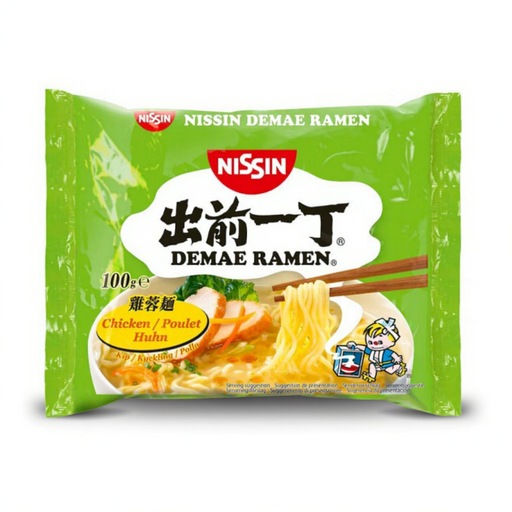
Why this fits the profile: A single 100-gram portion is straightforward for anyone trying instant noodles for the first time or wanting to make a quick Asian meal every now and then.
You don’t buy a large stock before you know whether the chicken flavour suits you. The product information lists wheat and sesame as allergens.
Single 100 g portion; chicken broth with separately mentioned seasoning oil; designed for preparation in just a few minutes.
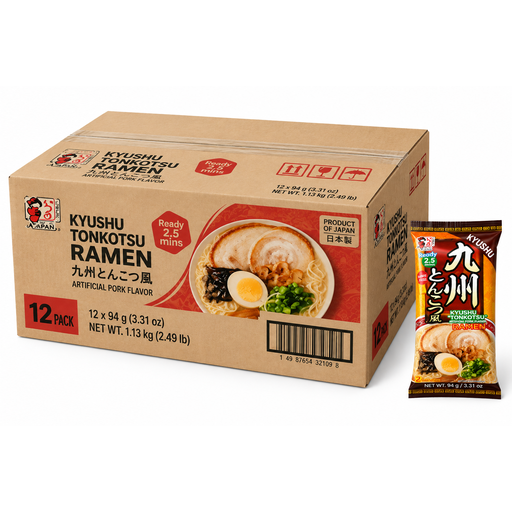
Why this fits the profile: Ideal for ramen lovers who want a larger stock and a robust tonkotsu base with garlic.
The packaging states 12 portions of 174 g each. This makes it clear upfront that it’s a bulk buy, not a single trial portion.
12 × 174 g; according to the product description, a Kumamoto-style tonkotsu with garlic; toppings such as egg, spring onion or chashu can be added yourself.
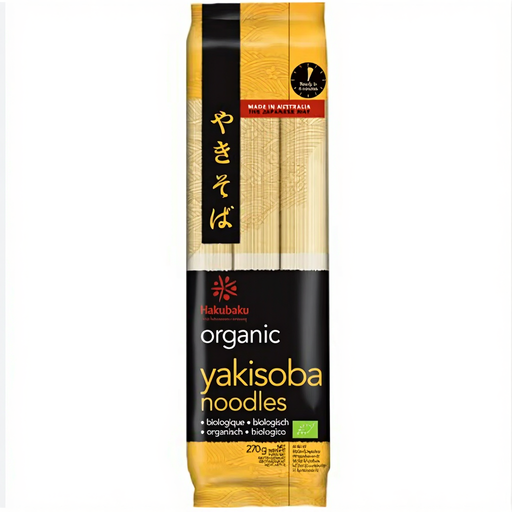
Why this fits the profile: A practical choice for home cooks and families who want to use Japanese noodles in a stir-fry dish.
The product description explicitly mentions stir-frying as the use. So you don’t need to prepare this product as soup noodles.
270 g pack; made from wheat flour, water and salt; suitable for combining with vegetables, meat or seafood.
We’ve put together a full, up-to-date list of products that fully meet these strict selection criteria and comply with current European safety regulations.
Follow the instructions on the product. With cup noodles, you usually add boiling water up to the indicated line. Sachets are often boiled for a few minutes and then mixed with powder or sauce. Yakisoba noodles are typically cooked in a pan or wok.
The shelf life is stated on the packaging. Store unopened products in a dry, cool place away from direct sunlight. Once opened, moisture and odours can affect the quality. So check the packaging and follow the manufacturer’s instructions.
That depends on the portion and your meal plan. You can add vegetables, egg, tofu or meat to ramen. When doing so, pay attention again to the allergens and preparation instructions. This way you can turn a quick snack into a meal that better suits your own preferences.
