
Vandaag of morgen in huis

Kwaliteit gegarandeerd

Welkomstaanbiedingen ontgrendelen: GRATIS bezorging | Tot 80% korting | Gratis 30 dagen JoyPlus-proefperiode
Download de app
The Japanese kitchen is more popular than ever in the Netherlands. From a rich bowl of ramen to homemade sushi, more and more home cooks are venturing into these refined flavors. But anyone searching online for Japanese ingredients will quickly encounter an overwhelming number of choices. It's easy to get lost among the jars, bottles, and packages that all claim to be "authentic."
As a Joybuy Product Recommendation Officer, I'm here to help you see through the marketing jargon. Before you fill your shopping cart, it's wise to know two common pitfalls that can cost you unnecessary money.
To avoid these mistakes, it helps to understand a few basic principles of authentic Japanese products. Pay attention to the following specifications to be confident in your purchase.
Not all soy sauces are created equal. The most common Japanese soy sauce is Koikuchi, an all-purpose sauce suitable for cooking, marinating, and as a dipping sauce. Brands like Kikkoman are a reliable choice for this variety. There is also Usukuchi (lighter in color and saltier, for seasoning without darkening the dish) and Tamari (usually gluten-free and with a richer, less salty flavor). Check the label to see which type you are buying.
Miso paste is a fermented soybean paste and the backbone of many Japanese flavors. The three main types are:
Mirin is a sweet rice wine essential for the shine and subtle sweetness in dishes like teriyaki. Pay close attention to the difference:
Below are some product choices tailored to different types of home cooks.
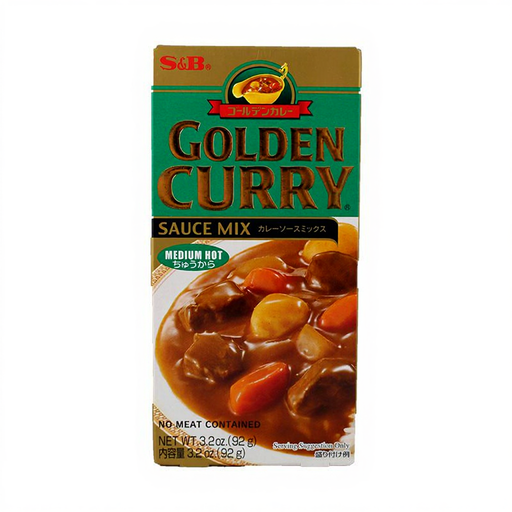
Why This Fits Their Persona: Ideal for those who want to quickly put a filling and flavorful Japanese meal on the table after a long day. You don't need to build a complex sauce from scratch; this product instantly delivers the classic, heartwarming taste of Japanese curry.
This is a purpose-built product, not a vague "Asian" sauce. It's specifically made for Japanese curry, helping you avoid the 'wrong type' product pitfall and ensuring a consistent result.
Very easy to use: dissolve the blocks in water with meat and vegetables. The 92-gram package is perfect for 5-6 servings.
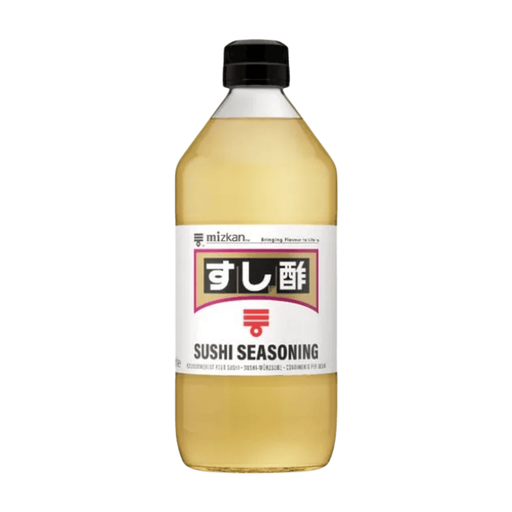
Why This Fits Their Persona: For anyone making sushi at home, the rice is the most important foundation. This ready-to-use sushi vinegar from Mizkan takes the guesswork out of balancing vinegar, sugar, and salt, which is crucial for the perfect flavor.
This product prevents the mistake of using plain rice vinegar, which leads to poorly seasoned sushi rice. It is a specialized product designed for one specific purpose, and it does it well.
Ready to use for perfectly seasoned sushi rice. The mix of rice vinegar, sugar, salt, and kelp extract ensures an authentic, balanced flavor.
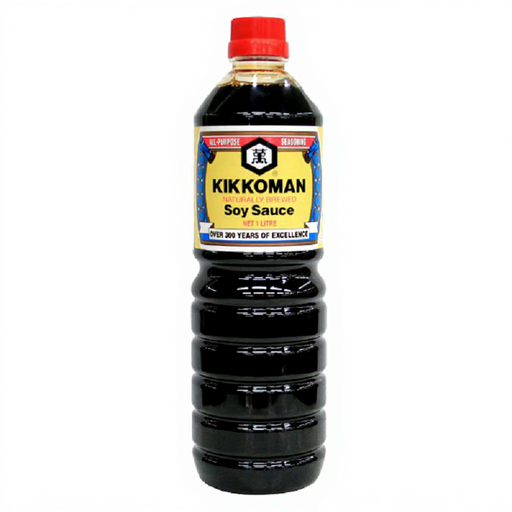
Why This Fits Their Persona: This person wants to build a pantry with reliable staples. Kikkoman soy sauce is the global standard for all-purpose Japanese soy sauce (koikuchi). It is the versatile foundation for countless dishes.
This product bypasses the "authentic" trap by being a genuinely brewed, globally recognized Japanese brand. It's not a generic sauce with a Japanese label, but a reliable quality standard.
Naturally brewed with four pure ingredients: water, soybeans, wheat, and salt. Extremely versatile, from a dipping sauce to a marinade and cooking base.
Finding the right Japanese groceries doesn't have to be complicated. Check out our full range for more choices that meet the criteria for taste and quality.
Japanese soy sauce (shoyu) is typically brewed with a mix of soybeans and wheat, resulting in a slightly sweeter and more complex flavor. Chinese soy sauce is often made with 100% soybeans, making it generally saltier and more direct in taste. For Japanese dishes, Japanese soy sauce provides the correct flavor balance.
An opened bottle of mirin or sushi vinegar, when properly sealed in the refrigerator, can last for several months. Miso paste has a very long shelf life due to its high salt content and fermentation. Store it in a sealed container in the refrigerator; it can remain good for up to a year without significant loss of flavor.
Dashi is a fundamental broth in Japanese cuisine and the base for miso soup and noodle soups, among other things. While you can make it yourself from kombu (seaweed) and bonito (dried tuna flakes), convenient instant dashi powders and granules are also available. For an authentic flavor, it is a highly recommended ingredient.
