
Vandaag of morgen in huis

Kwaliteit gegarandeerd

Welkomstaanbiedingen ontgrendelen: GRATIS bezorging | Tot 80% korting | Gratis 30 dagen JoyPlus-proefperiode
Download de app
The world of Japanese green tea can be overwhelming. From vibrant green matcha powder to convenient Japanese tea bags, the choices are numerous. You want a product that suits your needs, whether for a relaxing tea ritual, for culinary use, or because you are specifically looking for a tea with certain functional properties. This guide provides a factual overview of the criteria and a selection of products to help you make an informed decision.
To find a product that meets your expectations, it is helpful to pay attention to a few key specifications.
Below is a selection of different types of Japanese green tea, each with its own characteristics and applications.
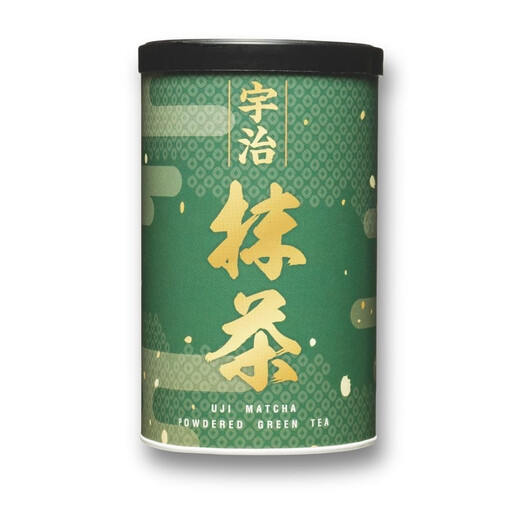
Why this product: This is a classic matcha powder from the renowned Uji region. It is made from the second flush of tea leaves, resulting in a rich, smooth flavour. Its versatility makes it a practical choice for those considering buying matcha for various applications.
Benefits:
Who it's for: For the culinary enthusiast seeking an authentic matcha powder for daily use in drinks and recipes.
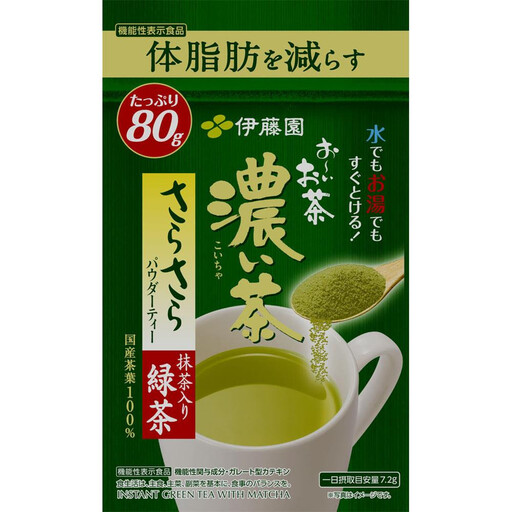
Why this product: This product from Ito En tea is an instant green tea labelled as a "Functional Food". The manufacturer targets consumers interested in the functional properties of catechin tea. It dissolves instantly in water, which enhances its ease of use.
Benefits:
Who it's for: For consumers specifically looking for an instant green tea with a manufacturer-claimed functional effect related to green tea for weight loss and fat reduction.
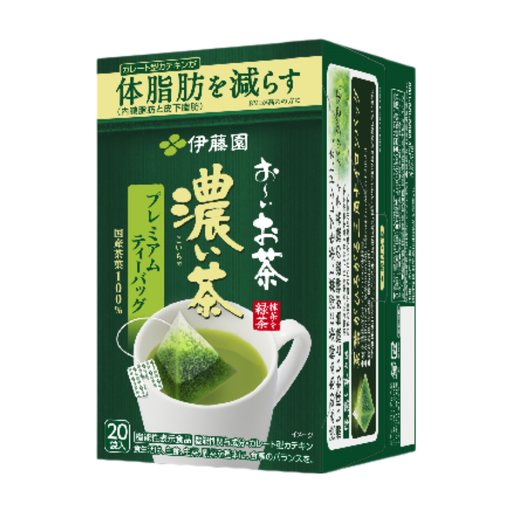
Why this product: These Japanese tea bags from ITO EN combine convenience with a specific functional claim. Like the instant version, this product is labelled as a "Functional Food" and focuses on the properties of gallate-type catechins.
Benefits:
Who it's for: For those who prefer the convenience of tea bags and are interested in a product with a specific, manufacturer-claimed functional effect related to tea for fat burning.
The refined and sometimes complex flavours of Japanese cuisine inspire more than just tea. When you're looking for a light, cooling option after a meal or on a warm day, a different type of product might be a fitting choice. For a fresh and fruity finish, consider our range of Fresh Fruit Desserts.
1. What is the difference between matcha and regular green tea? The main difference lies in the processing and consumption. For regular green tea, tea leaves are steeped in hot water, after which the leaves are removed. For matcha, young tea leaves are ground into a fine powder. This matcha powder is then fully dissolved and consumed, meaning you ingest the entire tea leaf.
2. Is Japanese green tea effective for weight loss? Some types of Japanese green tea, particularly those with a high content of catechins, are associated by manufacturers with weight management. Brands like ITO EN label their products as "Functional Food" and refer to reports suggesting that gallate-type catechins can help reduce body fat. It is important to remember that these are manufacturer claims and that such products should be part of a balanced lifestyle and diet.
3. How do you properly prepare matcha powder? For a traditional cup of matcha, sift 1–2 teaspoons (about 2 grams) of matcha powder into a bowl to prevent lumps. Add a small amount of hot water (about 70–80°C / 160–175°F, not boiling). Whisk the mixture with a bamboo whisk (chasen) in a rapid 'W' or 'M' motion until a frothy layer forms. Then, add more hot water or frothed milk for a latte.
