
Same-day & Next-day Delivery

Quality Guaranteed

Unlock Your Welcome Offers: FREE Delivery | Up to 80% OFF | Free 30-day JoyPlus trial
Download the APP
A Japanese facial cleanser can be a great addition to your daily skincare routine, but the sheer range of options can make choosing one a little tricky. A rich lather, for example, doesn’t automatically mean a product is right for your skin. Terms like “pore cleansing”, “whitening” or “acne care” only really mean something when you check the formula, usage instructions and how well it matches your skin type.
In this guide, we compare some popular choices from Japanese skincare. Our selection is based on verifiable product information, such as texture, size, target audience and listed ingredients.
A foaming facial cleanser can remove excess sebum and dirt, but a tight, pulled feeling after washing isn’t the goal. A dry or sensitive skin type in particular can feel uncomfortable if you cleanse too often or too vigorously. So, always check the recommended skin types and use a small amount with lukewarm water.
A product labelled “pore minimising” won’t permanently shrink your pores. According to the product description from Kao Biore, this variant is designed to refine the appearance of pores and remove dirt, oil and impurities. That’s quite different from a permanent change to the skin.
The same goes for acne claims. According to the product description from Fancl, the Acne Care Washing Cream is a quasi-drug intended to help prevent recurring adult acne and rough skin caused by daily cleansing. This is product information from the supplier, not personal medical advice.
A 150 g tube might seem good value, but the amount you use and how often you use it will determine how long it lasts. Fancl, for example, recommends an estimated amount of around 2 cm and roughly 60 applications. Also, check the expiry information on the packaging, especially if you’re buying several products at once.
A foaming facial cleanser is practical if you enjoy a fresh feeling and easy rinsing. A gel, cream or milky soap might be a better fit if you prefer a less airy texture.
Look out for these differences:
Choose based on your skin’s behaviour first, not on the country of origin. For oily or combination skin, look for products that, according to the description, remove excess sebum and dirt. For dry or sensitive skin, a mild face wash, hydrating ingredients and a fragrance-free formula are relevant points to check.
Examples:
Always check the full ingredients list on the packaging or product page. A fragrance, alcohol or preservative doesn’t have to be a problem for everyone, but it can be relevant if you have personal sensitivities. According to the safety information for various products, you should avoid contact with the eyes and stop use if irritation, redness or discomfort occurs.
Apply a facial cleanser to a wet face, massage without scrubbing hard and rinse thoroughly. A facial cleanser does not replace treatment for persistent skin problems. For long-term or serious concerns, consult a doctor or dermatologist.
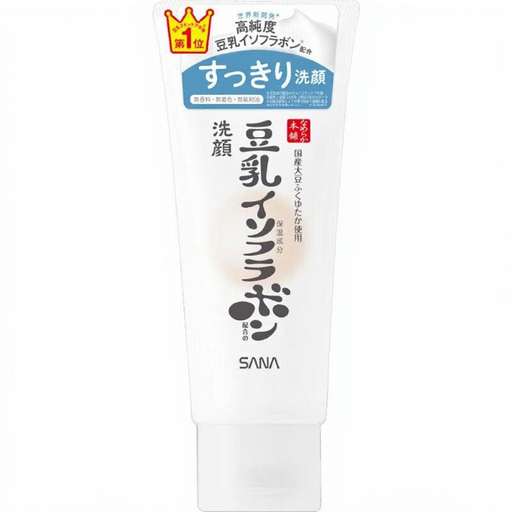
Why this fits the profile: The 150 g packaging and foaming texture make this a straightforward starting point for daily Japanese skincare.
The product description mentions a light foam texture and removal of dirt and residue without a heavy feeling. Still check the ingredients if you have sensitive skin.
150 g; suitable for daily use according to the product information; contains soy extract as per the description.
Why this fits the profile: For those who value a creamy cleanser and a more comprehensive skincare routine over a low purchase price.
The product information mentions a rich foam texture and preservation of skin oils during cleansing. Treat the stated hydration as a product claim, not a guaranteed personal result.
100 g; hydrating properties stated in the product details; suitable for dry and sensitive skin according to the product information.
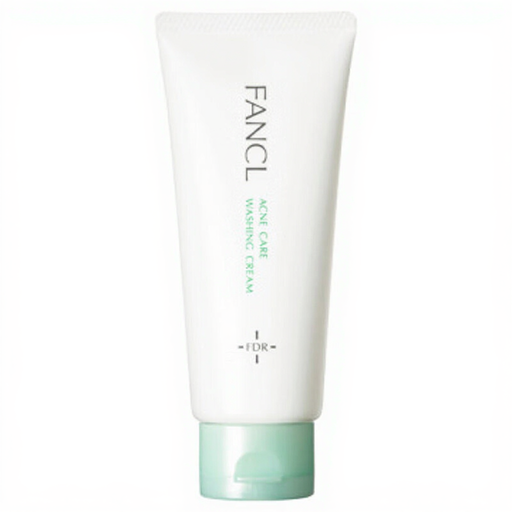
Why this fits the profile: Aimed at adults who are specifically looking for a face wash for acne and prefer a creamy foam.
The product details give a specific usage amount and approximately 60 applications. This makes it easier to estimate the cost per use than with a general claim.
90 g; creamy foam texture; product description mentions dipotassium glycyrrhizinate and a quasi-drug classification.
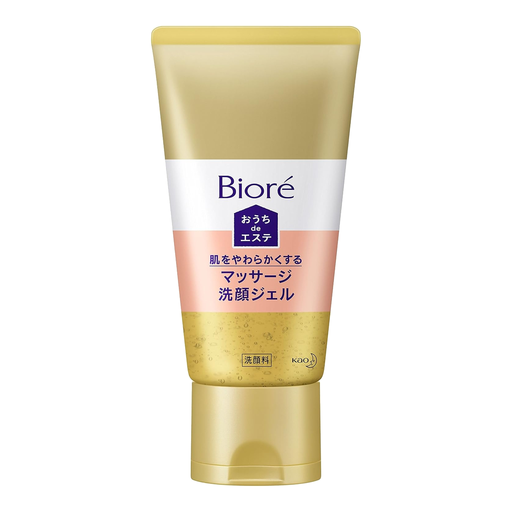
Why this fits the profile: The product description focuses on excess oil, dirt and visible pores, with a daily foam routine.
The description talks about refining the appearance of pores, not permanent reduction. This makes the claim clearer and more realistic.
150 g; foaming formula; according to the product details, suitable for all skin types, with an emphasis on oily and combination skin.
We’ve put together a full, up-to-date list of products that fully meet these strict selection criteria and comply with current European safety regulations.
If you wear make-up or water-resistant sunscreen, you may need a separate cleansing step first. A regular face wash doesn’t always remove every type of product completely.
Not automatically. Japanese skincare includes foaming, gel and cream formulas for different skin needs. Check the ingredients, stated skin types and warnings. For sensitive skin, a fragrance-free or mild facial cleanser is often a more logical starting point, but always test a new product carefully first.
Many products in this selection recommend use in the morning and evening. That doesn’t mean it’s necessary for everyone. For dry or sensitive skin, once a day may be enough. Pay attention to how your skin reacts and avoid scrubbing hard or massaging for too long.
That depends on the size and the amount you use per wash. A 150 g product can last longer with economical use than a 90 g tube, but the official usage duration varies from person to person. Store the cleanser according to the packaging and check the expiry or period-after-opening date before using it.
