
Vandaag of morgen in huis

Kwaliteit gegarandeerd

Welkomstaanbiedingen ontgrendelen: GRATIS bezorging | Tot 80% korting | Gratis 30 dagen JoyPlus-proefperiode
Download de app
Buying Japanese drinks online can quickly turn into endless comparison. Looking for a special Japanese soft drink, want to buy Ramune for a party or searching for Japanese beer to enjoy with ramen and sushi? In that case, flavour descriptions and eye-catching packaging can sometimes seem more important than the information you actually need.
The most common pitfalls are clear:
A 200 ml bottle is suitable as an individual serving or treat, while 330 ml is more commonly enjoyed with a meal. For several guests, a pack of 24 cans may make more sense. Do not just look at the price per pack, but also consider:
For example, a 200 ml Ramune bottle is mainly intended for individual use. A 500ml version may be more convenient for sharing, but it also takes up more space and needs to be refrigerated after opening.
Japanese soda, lychee drinks and Ramune often contain sugar or glucose-fructose syrup. The nutritional value may vary between flavours. For example, HATA Original Ramune lists 8.5 grams of sugar per 100 ml, while according to the product information, ITO EN Oi-Ocha green tea contains 0 kcal and 0 grams of sugar per 100 ml.
Also pay attention to:
Asahi Calpis L-Pack lists milk and soya, among other ingredients. If you have allergies, it is always best to check the current packaging. According to the statutory warning, the product information on a website may differ from the physical label.
If you want to buy Japanese beer, check the alcohol percentage and cereal allergens. According to the product information, Sapporo Beer 330 ml contains 4.7% alcohol and malted barley. Kirin Ichiban 330 ml x 24 lists 5.0% alcohol and barley as an allergen. The Asahi Super Dry product page states approximately 5.2% vol.
Japanese sake is not always strong or dry. Nenohi Red Grape + Daiginjo Sake and Nenohi Chardonnay + Daiginjo Sake both contain 7% alcohol and have a sweet profile. This makes them a different choice from traditional sake without fruit flavouring.
Alcoholic drinks are intended solely for people aged 18 and over. Do not drink if you still have to drive.
The right choice depends on the occasion. For a first introduction, a small bottle with a familiar flavour is often easier to assess. With a meal, beer or unsweetened green tea are practical options. For a party, Ramune and multipacks may be a better fit.
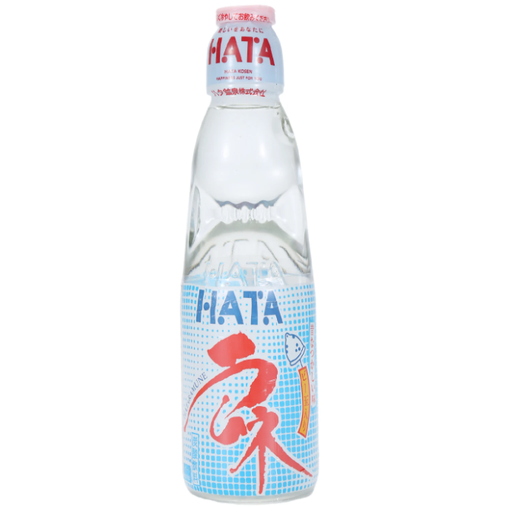
Why it suits this profile: The 200 ml bottle keeps your first purchase manageable. Its original bubblegum-like flavour and marble bottle let you discover a recognisable Japanese drink without immediately ordering a large pack.
The size and ingredients are clearly stated. Open the bottle on a flat, stable surface and be aware of the marble in the neck.
200 ml per bottle; traditional bottle with marble seal; according to the product information, none of the 14 major EU allergens.
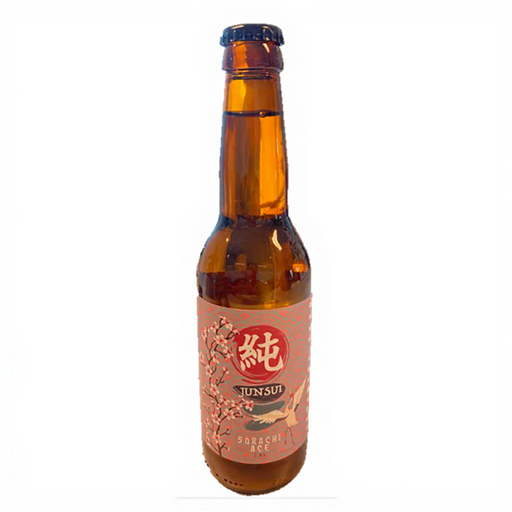
Why it suits this profile: If you are looking for a distinct hop character in Japanese beer, this is a clearly defined choice. The product description mentions Sorachi Ace hops with lemony, spicy and dill-like notes.
The choice is based on the stated ingredients and tasting notes, not just the origin or packaging. The alcohol percentage should be checked on the label.
330ml bottle; Sorachi Ace hops as a distinctive flavour characteristic; contains barley and therefore gluten.
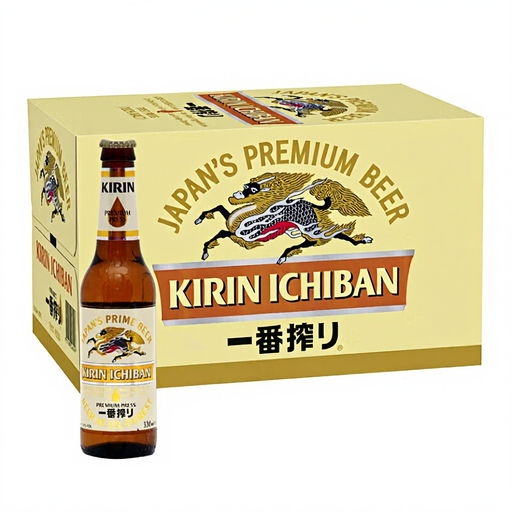
Why it suits this profile: A box of 24 cans is practical for regular consumption, a dinner party or a larger group. The 330 ml portions are easy to chill and serve.
The multipack makes the quantity clear upfront. However, check the best-before date and allergens before stocking up.
24 cans of 330 ml; 5.0% alcohol according to the product information; ingredients include water, malted barley, hops, yeast and rice.
We have put together a complete, up-to-date list of products that fully meet these strict selection criteria and the applicable European safety regulations.
If you do not want alcohol, you can choose Japanese green tea such as ITOEN OI-OCHA GREEN TEA 12×330ML. According to the product information, this variant is offered without added sugar. For a fruity soft drink, HATA Lychee Ramune, HATA Melon Ramune and GENKI Ramune Strawberry are possible choices.
A lychee drink does not necessarily come from Japan: Jane Jane Lychee Soda originates from China. So check the country of origin if provenance is important to you. Tomomasu YAME MATCHA COLA also combines matcha with cola; the ingredients list states 1% Yame matcha.
You can order Ramune online in various flavours and sizes, including original, lychee, melon, strawberry and sakura. When comparing products, pay attention to the volume, sugar levels, origin and how the bottle is opened.
Japanese beer, such as Sapporo, Kirin or Asahi, is often served with meals. If you do not want alcohol, you can choose Japanese green tea. The best pairing ultimately depends on your personal taste and the dish.
Store unopened drinks according to the label, usually in a cool place away from direct sunlight. After opening, many soft drinks need to be refrigerated and consumed within the stated period. Always check the current packaging for the best-before date, allergens and storage instructions.
