
Vandaag of morgen in huis

Kwaliteit gegarandeerd

Welkomstaanbiedingen ontgrendelen: GRATIS bezorging | Tot 80% korting | Gratis 30 dagen JoyPlus-proefperiode
Download de app
Buying Japanese drinks may seem straightforward, but the range varies considerably. A colourful bottle does not automatically mean the flavour will suit you. Small packs can also work out relatively expensive, while an appealing fruit drink may contain more sugar than you expect.
As a Joybuy Product Recommendation Officer, I focus mainly on verifiable information: volume, ingredients, allergens, alcohol content, preparation method and storage instructions. This allows you to compare Japanese drinks without relying solely on the packaging or marketing copy.
Ramune is known for its glass bottle with a marble stopper. This makes opening it fun, but says nothing about its nutritional value or ingredients. Always check whether the drink is made mainly from water, sugar, syrup, fruit juice or flavouring.
The sugar content of a Japanese soft drink such as melon soda or ramune can vary by brand. An eye-catching flavour name, such as lychee or melon, does not necessarily mean that the drink contains much fruit juice.
Japanese matcha is finely ground green tea and is usually whisked with water. A matcha latte often contains milk powder, sugar, creamer or sweetener. An instant product is easier to prepare, but therefore has a different composition from pure matcha.
The term green tea can also refer to several formats: loose-leaf tea, powder, tea bags or a ready-to-drink beverage. So check the ingredients list and preparation method before making your choice.
A 200 or 245 ml bottle is suitable for drinking chilled with a meal or enjoying as an individual treat. A 1.5-litre bottle or multipack is better suited to a family, office or party, but requires more storage space. With sake, the alcohol content and recommended use are also important. According to the product information, Ozeki Junmai Sake contains rice, water and sake; always check the current label and applicable age restrictions before buying.
Compare the nutritional value per 100 ml, not just per bottle. This shows the difference between a small bottle of ramune and a larger bottle of Japanese cider. For example, Tomomasu Yubari Melon Cider lists 55 kcal per 100 ml and contains, among other ingredients, fructose-glucose syrup, 1% Yubari melon juice and carbon dioxide.
With nata de coco drinks, the liquid is not the only relevant factor. The pieces of coconut jelly create a different texture. Check that you will enjoy this, and drink these products slowly, particularly when they contain larger pieces.
Check the allergen information, even when you consider a product to be tea. According to the product information, Nihon Yakken Golden Green Tea with Buckwheat Leaves consists of barley powder and contains gluten. This makes the drink less suitable for people who need to avoid gluten.
JP Nakayama Organic Matcha lists 100% organic green tea, matcha and tencha, with no added flavourings or other ingredients. This can be verified from the ingredients list and is clearly different from a matcha latte containing creamer and sugar.
Pay attention to the net volume, shelf life and storage instructions. Most carbonated drinks should be stored somewhere cool and out of direct sunlight. Once opened, they should generally be refrigerated and consumed within the period stated on the packaging.
For powders such as matcha latte or instant yuzu matcha, a dry storage place that can be sealed properly is important. If you drink Japanese tea regularly, it may be better to choose a larger pack or several portions rather than buying a small bottle each time.
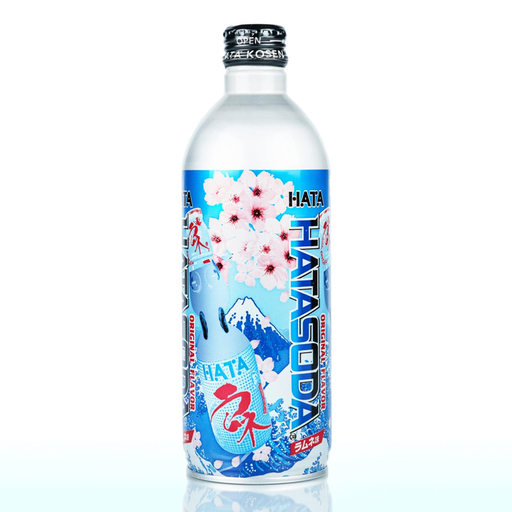
Why it suits this profile: The 500 ml bottle is suitable for drinking alone or sharing at a picnic, barbecue or party. The classic marble stopper makes ramune easy and recognisable for newcomers to try.
The product information lists 9.5 g of sugar per 100 ml and clearly sets out the ingredients. This lets you estimate the sweetness in advance.
500 ml volume, 0.01 g of salt per 100 ml and none of the 14 main EU allergens according to the product information.
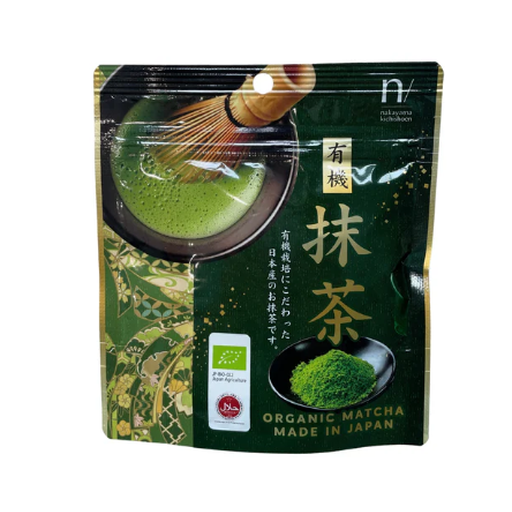
Why it suits this profile: This pure matcha is intended for preparation with water, in a matcha latte, smoothie or baking recipe. The small pack is ideal for anyone who wants to try the flavour and different uses first.
The ingredients list contains only 100% organic green tea, matcha and tencha. No milk powder, sugar or added flavourings are listed.
30 g of powder, none of the 14 main EU allergens according to the product information, and suitable for hot and cold preparations.
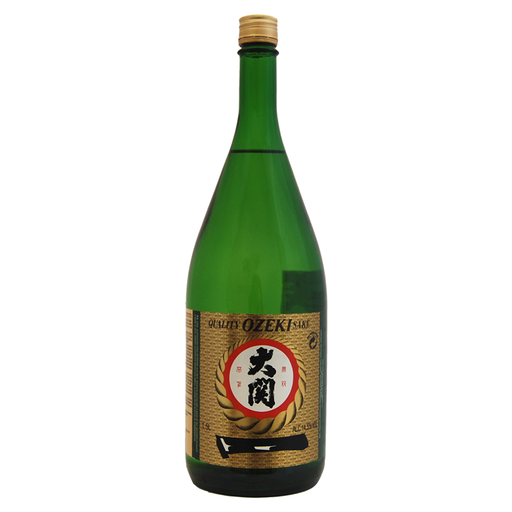
Why it suits this profile: The large bottle is practical for several adults to enjoy with Japanese dishes or at a dinner party. According to the product description, Junmai refers to sake made from rice and water, without added brewing alcohol.
The product description states the composition and dry flavour profile. Before buying, however, check the current alcohol content and Dutch labelling.
1.5 litres, three listed ingredients and none of the 14 main EU allergens according to the product information.
We have put together a complete, up-to-date list of products that fully meet these strict selection criteria and the applicable European safety regulations.
For a fruity drink, consider HATA Lychee Ramune, Hatakosen Melon Ramune or GENKI Ramune Strawberry. These varieties have a volume of 200 ml and are suitable for a Japanese meal, snack break or celebratory table.
If you are looking for a sweeter drink with pieces, you could try KATO Strawberry Juice with Nata De Coco or Mogu Mogu Melon Flavor. With Mogu Mogu, note the six-bottle multipack and the presence of nata de coco.
For a combination of tea and citrus, Tsuboich Yuzu Matcha Instant Tea is a practical choice. According to the product information, the powder contains sugar, matcha and yuzu juice powder. If you prefer a creamy preparation, take a look at Kataoka Tsujiri Matcha Milk or the vegan JENI Matcha Latte. These products are not the same as pure matcha, so check the sugar, creamer and sweetener content.
Ramune is a Japanese carbonated soft drink often sold in a bottle sealed with a glass marble. It is available in flavours such as lychee, melon, mango, strawberry and sakura. The flavour and nutritional value vary by product, so read the label.
Pure matcha is usually mixed with a small amount of water and then whisked. We recommend following the preparation instructions on the packaging. Matcha latte powder can often be mixed directly with hot water or plant-based milk, but usually contains additional ingredients such as sugar or creamer.
Unopened drinks remain suitable for consumption until the date shown on the packaging, provided they are stored according to the instructions. Once opened, carbonated soft drinks, lychee drinks and nata de coco drinks should generally be refrigerated and consumed within the stated period. Store sake and powders according to the label too, and check that the seal is intact before use.
