
Vandaag of morgen in huis

Kwaliteit gegarandeerd

Welkomstaanbiedingen ontgrendelen: GRATIS bezorging | Tot 80% korting | Gratis 30 dagen JoyPlus-proefperiode
Download de app
Whether you're an anime fan, a Japanese cuisine aficionado, or simply searching for a new flavour, the world of Japanese drinks is fascinating. From the iconic marble soda to sophisticated iced teas, the selection is vast. But how can you be sure you're making a good purchase and not just buying an overpriced, sickly-sweet soda in a cute package?
As a Joybuy Product Recommendation Officer, I'm here to help you see through the marketing hype. We'll look at what really matters, so you can make the right choice with confidence.
The colourful packaging and unique flavours are tempting, but there are a few common pitfalls to watch out for.
To avoid a bad purchase, it's wise to pay attention to a few objective criteria. This will help you look past the packaging and choose a drink that truly suits your taste.
Not all Asian drinks are the same. Consider what you're looking for:
The packaging is often part of the experience, especially with ramune. The glass bottle with the marble (a Codd-neck bottle) isn't just a gimmick; it's a piece of Japanese culture. Opening the bottle is a ritual in itself. Other Japanese sodas come in cans or PET bottles, which can be more practical for on-the-go or for larger quantities.
A quick look at the label can reveal a lot.
Below are some popular choices, matched to different preferences.
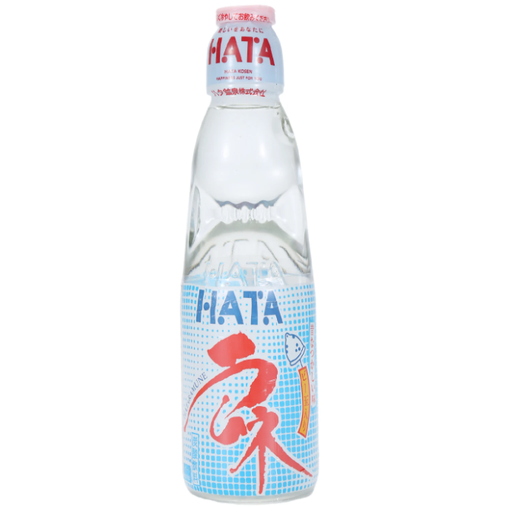
Why This Fits Your Persona: Perfect for those who want the classic ramune experience, famous from anime and manga. The original flavour is a safe and iconic introduction to the world of Japanese soda.
This is no vague imitation. HATA is a well-known brand, so you get the authentic ramune experience, including the unique bottle and the classic, light bubblegum-like flavour.
The iconic Codd-neck bottle with its marble provides the full, playful experience. The flavour is refreshing and not too overpowering.
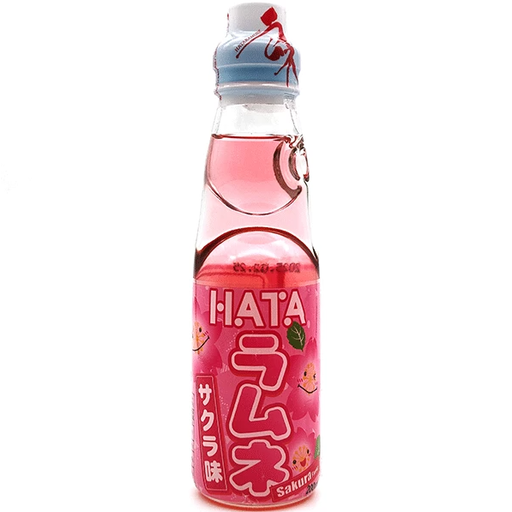
Why This Fits Your Persona: For those who are familiar with standard fruit flavours and want to try something unique. The taste of Sakura (cherry blossom) is subtle, floral, and quintessentially Japanese.
This drink avoids the pitfall of vague flavour descriptions by offering a specific, recognisable Japanese taste. It's not a generic "floral flavour," but an attempt to capture the essence of Sakura.
It offers a unique, floral, and refreshing taste you won't easily find in local supermarkets. The bottle features a special Sakura design.
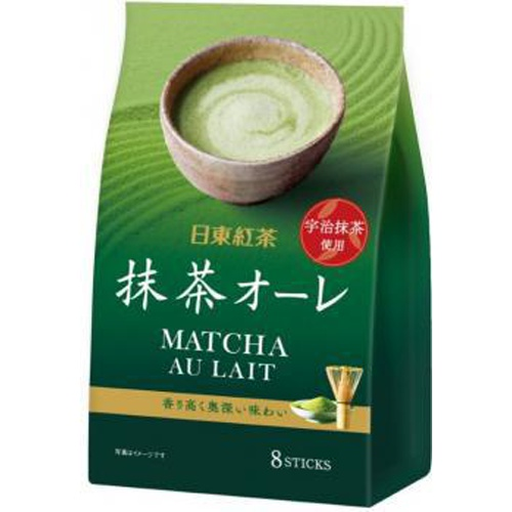
Why This Fits Your Persona: Ideal for those who aren't in the mood for a fizzy soda but still want to enjoy an authentic Japanese flavour. This matcha latte is a creamy and flavourful alternative.
This isn't a sickly-sweet drink with a vague "green tea" flavour. According to the manufacturer, it's made with real Uji matcha from Japan, which provides a deeper and more complex taste.
It offers convenient individual servings for a quick, consistent matcha latte at home or in the office. It can be enjoyed both hot and cold.
We've compiled a complete, up-to-date list of products that meet these selection criteria and current regulations.
Opening a marble soda is simple but requires a few steps. First, remove the plastic seal. You'll find a plastic plunger cap. Place this cap on the marble and push down firmly until the marble drops into the bottle. Hold the plunger down for a few seconds to prevent the soda from fizzing over. The indentations in the bottle's neck ensure the marble doesn't block the flow while you drink.
It varies greatly by product. Traditional ramune and many fruit sodas are comparable in sweetness to Western soft drinks. Always check the sugar content per 100 ml on the label. If you're looking for less sweet options, a Japanese iced tea like one from Kirin or a sugar-free soda is a great choice.
