
当日/次日达

品质保障

开启新人专享福利: 全场免邮 | 低至 2 折 | 免费试用 30 天 JoyPlus 会员
下载 Joybuy
Anyone searching for Japanese drinks online is often met with a dazzling array of brightly coloured bottles and cans. The packaging looks fantastic, but the contents can sometimes be a letdown. You're not the only one wondering if that hyped-up soda is genuinely delicious, or if you're just paying for a clever marketing gimmick.
Before you fill your shopping cart, it's wise to be aware of a few common pitfalls. Many buyers fall for them, resulting in a disappointing experience.
matcha latte primarily contain sugar and milk powder, with just a hint of green tea powder that bears little resemblance to authentic matcha.Fortunately, you can easily avoid these disappointments by knowing what to look for.
You don't need to be an ingredients expert to make a great choice. By paying attention to a few key points, you can quickly filter the selection and find a drink that truly suits your taste.
The range of Asian drinks is incredibly diverse. The first step is to decide what type you're looking for.
Hata soda are popular for their consistent quality and wide range of flavours. The experience, such as opening a ramune bottle, is often just as important as the taste itself.Japanese iced tea (often unsweetened and pure in taste) and matcha latte mixes. Pay close attention to whether it's a ready-to-drink beverage or a powder to mix yourself.A glance at the ingredients list can be very revealing.
To get you started, we've highlighted some popular choices and matched them to different preferences.
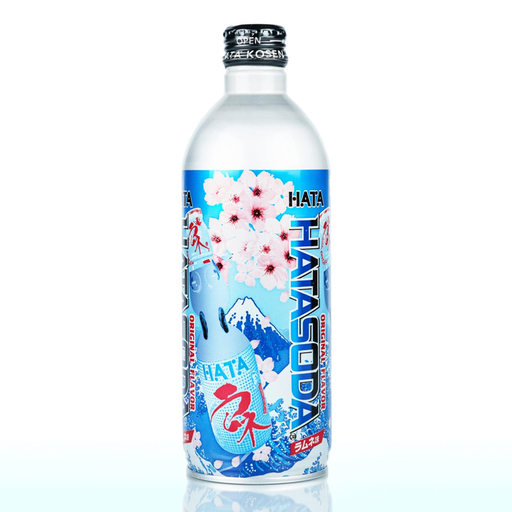
Why This Fits Their Persona: Perfect for those who want to try the iconic Japanese soda experience. It's the classic you know from anime and pop culture, complete with the unique marble-stoppered bottle.
This is the authentic ramune experience. Hatakosen's opening mechanism is reliable, helping you avoid the "Ramune Frustration" of a stuck marble.
The unique bottle with its marble stopper provides a fun experience. The flavour is classic and refreshing, not too overpowering.
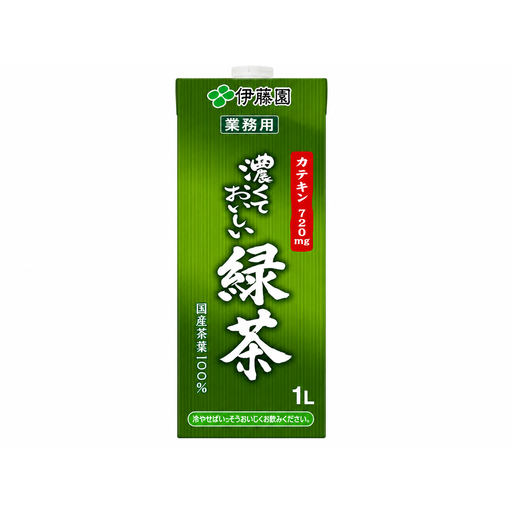
Why This Fits Their Persona: Ideal for those seeking an authentic, pure tea flavour without any sugar. Itoen is a renowned brand in Japan, known for its high-quality tea.
This drink completely bypasses the "Instagram Trap." It's not a sweet, artificial beverage, but a pure Japanese iced tea. The ingredient list is short and clear: green tea, matcha, and vitamin C.
0 kcal and 0 grams of sugar. This is a pure, refreshing thirst-quencher with the authentic, subtly bitter taste of Japanese green tea.
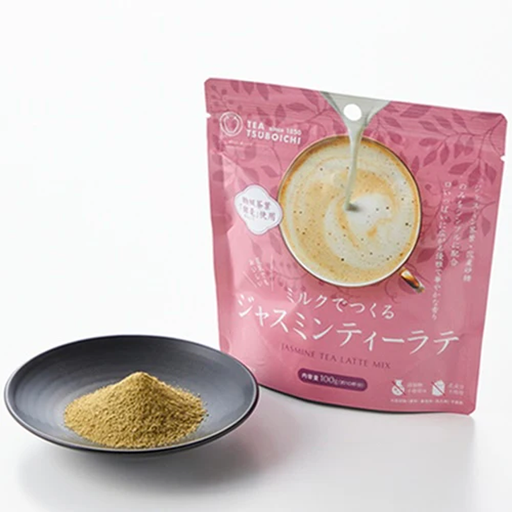
Why This Fits Their Persona: For those who enjoy making their own drinks. This kit lets you create a creamy jasmine tea latte in an instant, with full control over the strength and choice of milk.
This is not a cloyingly sweet, artificial mix. The kit contains a simple blend of jasmine tea and beet sugar, without unnecessary additives. You avoid the "fake matcha" trap by opting for a pure tea flavour.
Easy to prepare with hot water or milk. The ingredients are high-quality, ensuring an authentic, floral taste that you can customise yourself.
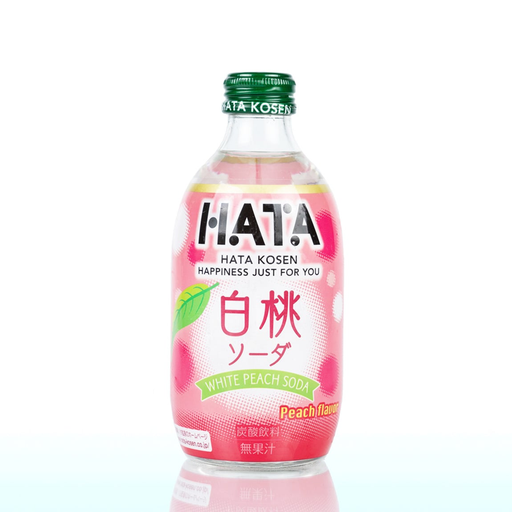
Why This Fits Their Persona: For those who love a sweet, fruity, and sparkling soda. The white peach flavour is popular in Japan and offers a refreshing change from standard soft drinks.
The product description mentions a natural flavour and the use of real juice (from concentrate). Furthermore, it contains no artificial colours, helping you avoid the pitfall of a chemical taste.
A distinct, sweet, and fruity white peach flavour. The convenient 300ml bottle is perfect for on the go or as a treat.
We have compiled a complete, up-to-date list of products that meet these selection criteria.
Opening a ramune bottle is a small ritual. Remove the plastic wrapper from the cap. Inside the cap, you'll find a plastic plunger. Press it firmly onto the glass marble until it falls into the bottle with a pop. Keep the plunger pressed down for a few seconds to prevent the soda from fizzing over. The indentations in the neck of the bottle ensure the marble doesn't block the opening while you drink.
Green tea is made by steeping tea leaves in hot water, after which the leaves are removed. For matcha, young tea leaves are ground into a fine powder. This means you consume the entire leaf. This gives matcha its characteristic, powerful, and complex umami flavour and vibrant green colour. A matcha latte is this powder mixed with (frothed) milk.
That depends entirely on the type of drink. Traditional Japanese tea, like the iced tea from Ito En, is often completely sugar-free and has a pure, sometimes slightly bitter taste. Japanese sodas and fruit drinks, on the other hand, are often sweetened, comparable to European soft drinks. Checking the sugar content per 100 ml on the label will give you a good idea of the sweetness.
