
Vandaag of morgen in huis

Kwaliteit gegarandeerd

Welkomstaanbiedingen ontgrendelen: GRATIS bezorging | Tot 80% korting | Gratis 30 dagen JoyPlus-proefperiode
Download de app
Buying Japanese drinks and tea online may seem straightforward, but product pages do not always make it immediately clear what you are actually getting. For example, a bottle with a Japanese name may have been produced in the Netherlands, while a matcha latte powder may contain mainly sugar and creamer. Words such as “premium”, “authentic” or “ceremonial” do not automatically mean that a product suits your taste or intended use.
As a Joybuy Product Recommendation Officer, I therefore start by checking verifiable information: ingredients, volume, alcohol content, allergens, preparation method and storage instructions. This helps you avoid paying too much for packaging that is not suitable for everyday use.
A product may have a Japanese style or flavour but have been produced elsewhere. For example, Oishi Green Tea Honey Lemon is presented as containing Japanese green tea, but its stated origin is Thailand. That does not necessarily make the drink less appealing, but it is relevant information if you are specifically looking for a product from Japan.
Therefore, check:
Pure matcha is finely ground green tea. An instant matcha latte often also contains sugar, creamer, milk powder or sweeteners. According to the product information, Gold Kili Matcha Latte Powder contains sugar, vegetable creamer, skimmed milk powder and matcha powder, among other ingredients. JENI Vegan Matcha Latte uses vegan creamer, sugar and sweetener.
As a result, anyone looking for organic matcha or pure Japanese green tea could end up choosing the wrong type of product. Always check the first ingredients on the label: ingredients are generally listed in descending order by quantity.
Tea, matcha and powdered mixes are affected by moisture, heat and light. A large pack is only good value if you will use it within the stated shelf life. A 1 kg tin, such as JENI Matcha Flavor Powder, may make sense for the catering trade or frequent use, but it is less practical if you only drink a cup occasionally.
For bottles and cans, it is particularly important to:
First, decide how you want to use the product:
For powders, the dosage is also important. According to the product information, Tsuboichi Yuzu Matcha Instant Tea can be mixed with one or two teaspoons in hot or cold water. The added sugar and yuzu create a different flavour profile from pure matcha.
Always check the full label, especially for milk powders and grains. NIHON YAKKEN Golden Green Tea with Buckwheat Leaves is described in the product information as green tea with buckwheat leaves, but the listed ingredients are barley green powder (100%) and the product contains gluten. This is an important consideration for anyone with a gluten allergy or intolerance.
Other examples:
For alcoholic drinks, the alcohol content has a major influence on how you use the product. Ozeki Junmai Sake in a 1.5-litre bottle is a larger format for dinner parties, catering or enthusiasts who serve sake more regularly. The product description lists rice, water and sake as ingredients, and none of the 14 major EU allergens.
Nenohi Red Grape + Daiginjo Sake is a sweeter 300 ml drink with 7% vol. According to the product information, it combines red grape juice with daiginjo sake. Asahi Super Dry is offered in a 330 ml can; the product information states 5.2% vol., while the product name mentions 5%. Therefore, check the alcohol content on the label. Alcoholic drinks are intended exclusively for adults aged 18 and over.
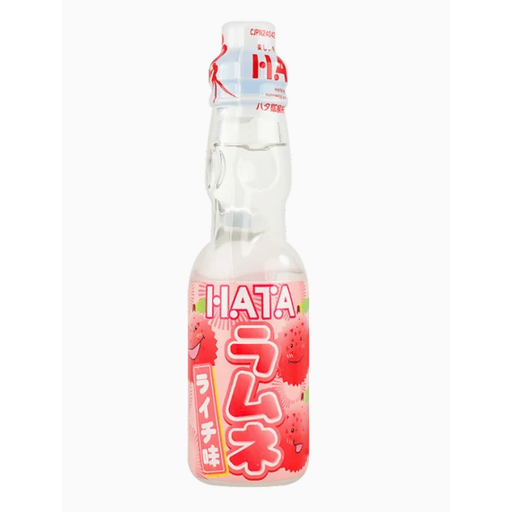
Why it suits them: A small bottle is ideal if you want to try Japanese soft drinks without immediately buying a multipack or large stock. The lychee flavour and fizz make it ready to serve straight away.
The size means you do not have to buy a large quantity before finding out whether the sweet, fruity flavour suits you. Do check the information about E133 and the nutritional content on the packaging.
200 ml; alcohol-free according to the product information; ready to drink and suitable for serving chilled.
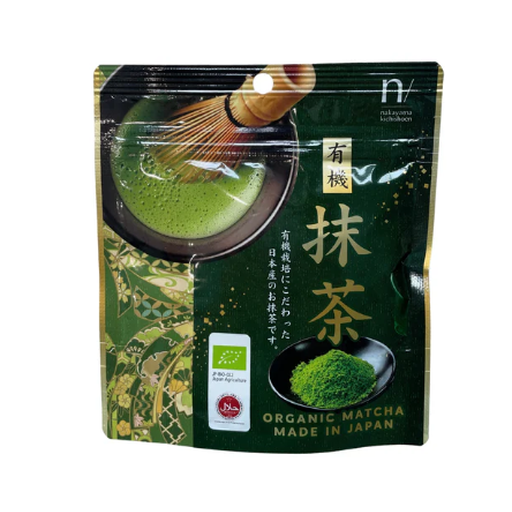
Why it suits them: This small pack is ideal for consumers who want to prepare pure matcha or make their own matcha latte, smoothie or baked recipe.
According to the product description, the powder consists of 100% organic green tea, matcha and tencha, with no added flavourings. This makes the composition clearer than that of a latte mix.
30 g; no added ingredients according to the listing; suitable for tea, lattes, smoothies and baking.
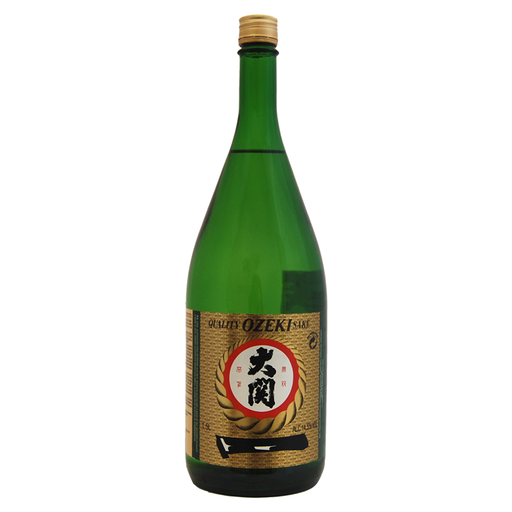
Why it suits them: The large bottle is practical for Japanese meals, tastings or professional use where several glasses will be served.
The product description explicitly lists junmai, rice, water and sake as ingredients. This makes it easier to distinguish the type from flavoured or blended sake.
1.5 litres; junmai type according to the product information; store in a cool place away from direct sunlight.
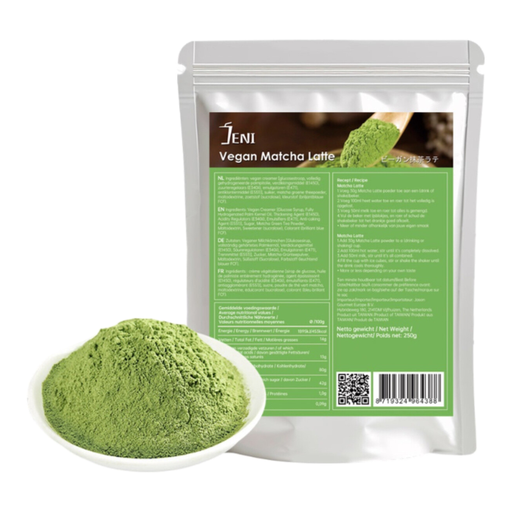
Why it suits them: A convenient option for home or the office if you want to make a vegan matcha latte with hot water or plant-based milk.
The product information lists vegan creamer and none of the 14 major EU allergens. However, check the current packaging if you have specific allergies.
250 g; suitable for hot or cold preparation; the stated composition includes matcha powder, sugar and vegan creamer.
Browse the current range of Japanese drinks and tea, and compare the type, volume, ingredients and alcohol content before ordering.
Matcha is pure, finely ground green tea. Matcha latte is usually a blend containing sugar and creamer or milk powder. Choose pure matcha if you want to control the sweetness and milk yourself. Choose a latte powder for quick, consistent preparation.
Store unopened and opened powders in a dry, cool place away from direct sunlight. Seal the packaging tightly after every use. Check the date and always follow the storage instructions on the current label.
Ramune, Japanese soft drinks, many ready-to-drink green teas and products with 0.0% ABV are alcohol-free according to their product information. For example, Tomomasu Yubari Melon Cider states 0.0% ABV. For cider, sake mixes and other drinks, always check the alcohol content on the packaging before serving.
