
Vandaag of morgen in huis

Kwaliteit gegarandeerd

Welkomstaanbiedingen ontgrendelen: GRATIS bezorging | Tot 80% korting | Gratis 30 dagen JoyPlus-proefperiode
Download de app
Japanese biscuits are popular with fans of matcha, chocolate and unusual textures. But eye-catching packaging doesn’t always tell you everything you need to know. Some products are presented as Japanese, even though they’re made in another country. Smaller packs can also work out relatively expensive or contain allergens you need to avoid.
Use this practical guide to compare Japanese snacks and Asian biscuits based on information you can check: origin, weight, ingredients, nutritional values and when you plan to enjoy them.
Check the country of origin in the product information. NIKKO Matcha Cookies and NIKKO Strawberry Cookies list Japan as their country of origin. Franzzi Matcha Mousse Chocolate Flavor Cookies, on the other hand, are made in China. That doesn’t automatically make them a less suitable choice, but it’s worth knowing if you’re specifically looking for Japanese biscuits.
A 36–45 g portion is handy for taking out and about, but it often contains less than a 90 g or 160 g bag. So compare the net weight, not just the price on the product page. A larger pack may be more practical for sharing with a cup of tea, while a smaller one is often better for a lunchbox.
Words such as “matcha”, “mousse” and “strawberry” don’t tell you how much of that ingredient is actually in the product. For example, the ingredients list for NIKKO Matcha Cookies shows 0.6% matcha. Meiji Chocorooms Strawberry Biscuits list 1.0% strawberry powder. Check whether the flavour comes from powder, flavouring or a combination of the two.
Also look out for allergens. Many Japanese biscuits contain wheat, milk and soya. Some products also list egg, almonds or macadamia nuts. Always read the current packaging before buying, especially if you have an allergy or intolerance.
First, decide what you’re looking for:
A product such as Glico Pocky consists of biscuit sticks with a coating. That’s different from a crisp shortbread biscuit, a filled panda biscuit or a wafer. So start by choosing the texture you prefer: crisp, creamy, light or firm.
Matcha usually has a distinctive green tea aroma, but its intensity varies from one recipe to another. Chocolate biscuits may contain cocoa powder, chocolate, chocolate pieces or just flavouring. Strawberry biscuits often combine fruit powder with flavouring.
Look out for these combinations:
Nutritional information helps you compare products fairly. Focus on energy, fat, saturated fat, sugars and salt per 100 g. A small portion pack may contain fewer calories simply because there’s less in it; that doesn’t mean the product is different per 100 g.
Values vary between products. NIKKO Matcha Cookies list 582 kcal and 43 g of sugars per 100 g. Tokimeki Panda Chocolate Biscuits list 480 kcal and 30 g of sugars per 100 g. Use these figures to compare products, not to judge their healthiness.
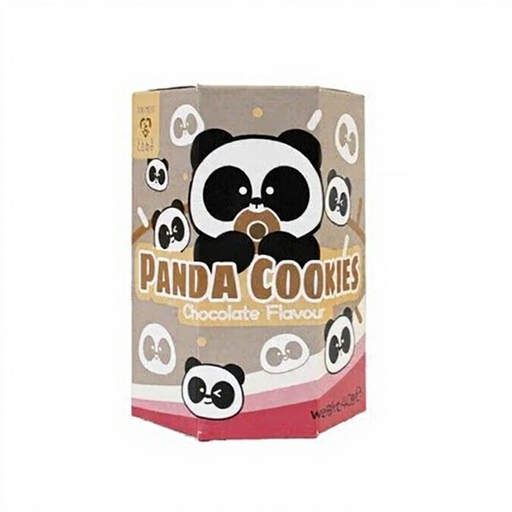
Why it suits this profile: The 40 g pack is a manageable size for trying panda biscuits for the first time, adding to a lunchbox or enjoying as a snack on the go.
The net weight is clearly stated, and the nutritional values are given per 100 g. This makes it easier to compare the small portion fairly with other biscuits.
Panda shape, crisp texture, 40 g pack and a chocolatey flavour. According to the product description, it contains no artificial colourings.
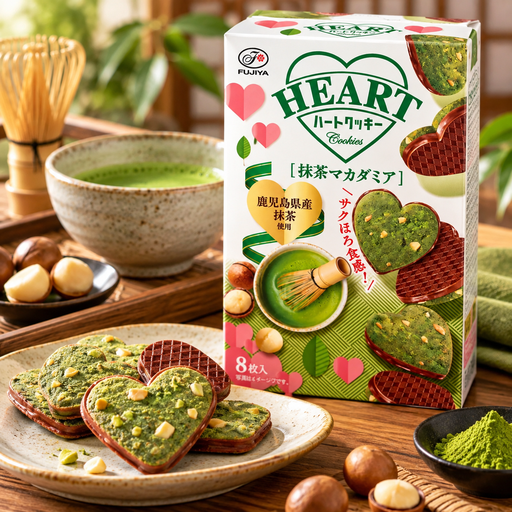
Why it suits this profile: This option combines matcha with macadamia nuts and is aimed at shoppers who pay attention to ingredients and subtle flavour notes.
The product information lists matcha and macadamia nuts separately in the ingredients. This makes it clearer where the flavour combination comes from.
56 g pack, crisp texture and a combination of matcha, macadamia and cocoa. Contains wheat, milk, soya and macadamia nuts.

Why it suits this profile: The slim biscuit sticks are easy to serve a few at a time with coffee or tea, pack in a lunchbox or take on an outing.
The size and product type are clear at a glance: 45 g of strawberry-flavoured biscuit sticks. Check the packaging for the current ingredients and best-before date.
Handy size, familiar stick shape and strawberry flavour. The product information lists wheat, milk and soya as allergens.
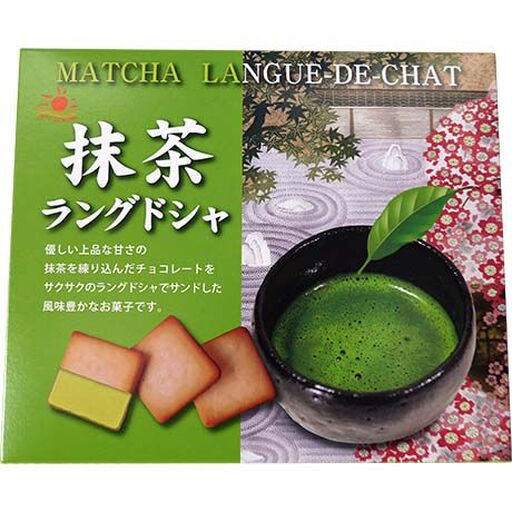
Why it suits this profile: The 90 g pack is ideal for serving at home with tea or coffee and contains more than an individual snack pack.
The product page lists the origin, net weight, ingredients, allergens and nutritional values. The 0.6% matcha content helps put the flavour claim into perspective.
90 g pack, matcha flavour and 582 kcal per 100 g according to the product information. Contains wheat, milk, egg and soya.
We’ve put together a complete, up-to-date list of products that meet these strict selection criteria and current European safety requirements.
Small packs of 36–45 g, such as Pocky biscuit sticks or Tokimeki Panda Biscuits, fit easily into a bag or lunchbox. Once opened, check whether the pack can be resealed properly to help keep the biscuits crisp.
Always check the best-before date on the packaging. Store biscuits as directed by the manufacturer: usually in a cool, dry place away from direct sunlight. After opening, a tightly sealed pack helps keep moisture out. Don’t use the product if the packaging is damaged.
Check the current ingredients list and allergen information on the packaging. Many Japanese biscuits contain wheat, milk and soya. Other products may contain egg, almonds or macadamia nuts. Website information is useful for an initial comparison, but always follow the information on the packaging.
