
Vandaag of morgen in huis

Kwaliteit gegarandeerd

Welkomstaanbiedingen ontgrendelen: GRATIS bezorging | Tot 80% korting | Gratis 30 dagen JoyPlus-proefperiode
Download de app
Recreating Japanese cuisine at home can be a challenge, especially when you're standing in front of the shelf of Japanese condiments. The selection is vast, and the labels aren't always clear. The result? You buy a bottle that, after a single use, gets banished to the back of the cupboard. Let's look at a few common pitfalls so your next purchase hits the mark.
A typical mistake is buying a random bottle of soy sauce, thinking it will work for everything. Unfortunately, this often leads to a disappointing result, like an overly salty sushi experience or a bland marinade. Another misstep is confusing similar-looking dark, sweet sauces. Tonkatsu sauce, okonomiyaki sauce, and yakitori sauce might seem interchangeable, but they each have a unique flavour profile tailored to a specific dish. Using the wrong sauce can completely alter the taste of your meal.
To make the right choice, it's helpful to understand a few basic principles. Don't focus on marketing terms, but on the product specifications. These are the characteristics that truly matter.
Not all soy sauces are created equal. If you plan to buy soy sauce, pay attention to the type. The most common is Koikuchi (dark soy sauce), an all-purpose sauce for cooking and dipping. Usukuchi (light soy sauce) is saltier and lighter in colour, often used to avoid discolouring dishes. Sweet soy sauce (Amakuchi) is popular in southern Japan and is ideal for rice dishes or sashimi. A naturally brewed soy sauce, like those from Kikkoman or Hamadaya, often has a more complex and richer flavour than a chemically produced version.
The deep, savoury flavour so characteristic of Japanese cuisine is called umami. This taste comes from fermented products and broths. Miso paste, made from fermented soybeans, is a key source. There are roughly three types:
For specific dishes, there are ready-to-use Japanese sauces that save you a lot of time and guarantee the right flavour balance.
Below are a few suggestions, tailored to different cooking styles and needs.
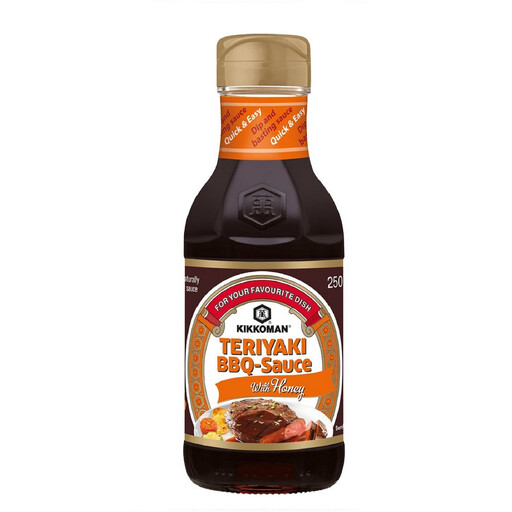
Why This Fits Their Persona: This sauce is a perfect starting point. The combination of teriyaki and honey provides an accessible, sweet-and-savoury flavour that is highly versatile. Ideal for quick stir-fries, as a marinade for the barbecue, or as a simple dipping sauce.
You don't need to buy five different bottles right away. This single bottle is versatile enough for many different dishes, helping you avoid the pitfall of an overstuffed pantry.
Based on Kikkoman's naturally brewed soy sauce. Contains no artificial colours or flavours.
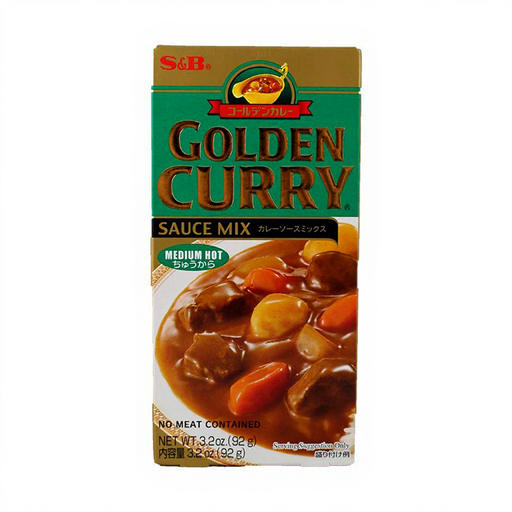
Why This Fits Their Persona: For those seeking the authentic, comforting flavour of Japanese curry (kare raisu). These roux blocks are a staple in many Japanese households. Simply add water, vegetables, and meat for a complete meal.
This product is made specifically for one dish, and it does it perfectly. It prevents the disappointment of using an Indian or Thai curry paste when you want the mild, slightly sweet taste of Japanese curry.
Quickly and easily creates a meal for 5-6 people. Delivers a rich, aromatic, and velvety sauce.
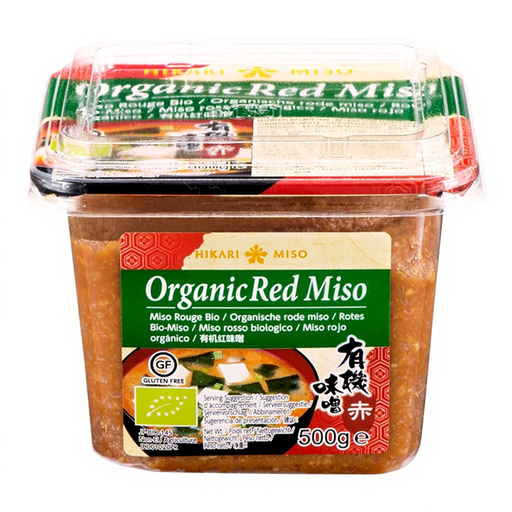
Why This Fits Their Persona: For the cook seeking deep, complex umami flavour enhancers. Red miso (Aka Miso) is fermented longer, resulting in a powerful, salty, and earthy taste. Perfect for making a robust miso soup or marinating red meat.
This product offers the depth that a simple "all-in-one" condiment lacks. It's a foundational ingredient rather than a quick sauce, giving you control over building flavour.
Made from fermented soybeans and rice for a deep, savoury flavour. Versatile for use in soups, marinades, and sauces.
We have compiled a complete, up-to-date list of products that meet these selection criteria and current regulations.
Although both are made from fermented soybeans, there are distinct differences. Japanese soy sauce (shoyu) typically includes wheat, which gives it a slightly sweeter and more complex flavour. It's often used as a finishing or dipping sauce. Chinese soy sauce is usually saltier and darker, and is more commonly used during cooking in stir-fries and stews.
Most Japanese sauces and pastes, such as soy sauce and miso paste, are best stored in the refrigerator after opening. Soy sauce will stay good for months. Sauces with more sugar or other ingredients, like teriyaki or tonkatsu sauce, have a shorter shelf life, typically a few weeks to a few months. Mayonnaise-based sauces, like Kewpie mayonnaise, should definitely be refrigerated and consumed within a few weeks. Always consult the label for specific storage instructions.
Yes, there is a noticeable difference. Kewpie mayonnaise is made using only egg yolks, unlike many Western mayonnaises which use whole eggs. This creates a richer, fuller flavour and a creamier texture. Additionally, it uses rice vinegar instead of distilled vinegar, which imparts a unique, slightly fruity and tangy taste. According to the manufacturer, monosodium glutamate (MSG) is also added, which enhances its signature umami flavour.
With the right knowledge, navigating the world of Asian culinary ingredients becomes much simpler. By paying attention to the basic properties and applications of each sauce, you can build a pantry of condiments that you will actually use.
Joybuy Product Recommendation Officer
