
Vandaag of morgen in huis

Kwaliteit gegarandeerd

Welkomstaanbiedingen ontgrendelen: GRATIS bezorging | Tot 80% korting | Gratis 30 dagen JoyPlus-proefperiode
Download de app
Japanese chocolate snacks are popular with lovers of unusual flavours and crunchy textures. From matcha chocolate and strawberry to caramel, orange and milk chocolate, the range is extensive. However, not every product with a Japanese look is actually made in Japan. Some snacks are produced in the Netherlands, China or other Asian countries.
This difference matters when you’re shopping with a specific goal in mind. So don’t just rely on the packaging or a striking flavour name – also check the origin, ingredients, allergens and portion size. That way, you’ll avoid paying for a small bag when you’re actually looking for snacks to share.
A product may have a Japanese brand name or packaging but be produced in another country. For example, the Nestlé KitKat Itoen Matcha & Chocolate lists Japan as the country of origin. Other products in this range, such as some Pocky varieties, list China as the country of production. So always check the product information and the packaging.
“Matcha”, “strawberry” or “peach” can in practice mean an aroma, a powder or a combination of ingredients. For instance, Glico Pocky Peach Flavour states 10% peach powder in the ingredients. Meiji Chocorooms Strawberry Biscuits lists 1% strawberry powder. These are verifiable differences that can affect your expectations of the taste.
A 200g bag can be handy for a family or party, but less practical if you want variety. Individually wrapped bars, such as KitKat with nine portions, are easier to divide up. Smaller packs of 35 to 56g, on the other hand, fit neatly into a lunchbox, bag or cupboard with several flavours.
First, decide what you’re after:
A chocolate wafer usually has several thin layers with filling. A biscuit stick, such as Pocky or Mikado, puts more emphasis on the balance between biscuit and chocolate. So someone who likes to snack slowly may have a different preference from someone who’s mainly after a compact treat.
Under EU rules, major allergens must be clearly listed in the ingredients. In this product category, wheat, milk and soya appear frequently. Some products may also contain traces of nuts, egg or sesame. Always check the packaging again, especially if you have an allergy or intolerance.
Also look at the nutritional values per 100g and per portion. For example, the Nestlé KitKat Rich Matcha states 566 kcal per 100g, 35.4g of fat and 23.9g of sugars. The individual KitKat Gold portions weigh about 11.6g. This helps you better estimate how much you’re actually eating.
Bear in mind that nutritional information or recipes can change. The current packaging is what counts.
Chocolate and wafers react to heat and moisture. So store them according to the instructions on the packaging – usually in a cool, dry place away from direct sunlight. Some products recommend a temperature below 27 or 28 °C.
After exposure to heat, chocolate can develop a white bloom due to changes in the fats. With KitKat Gold, this is described as a normal physical change. The snack may still be safe to eat, but the texture or appearance can alter. When you receive your order, also check that the packaging is undamaged and look at the date shown.
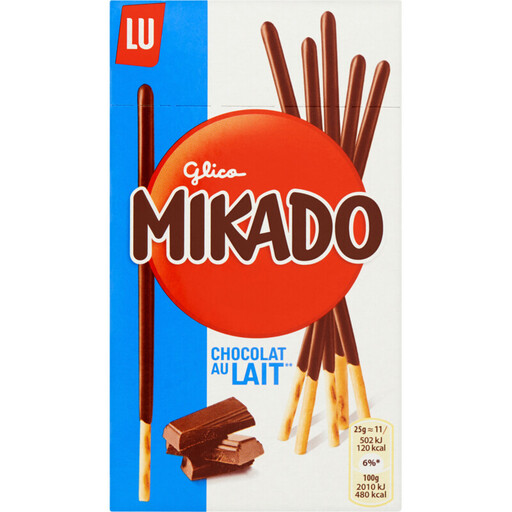
Why this fits the profile: The pack contains 3 x 11 biscuits. This makes these chocolate biscuit sticks suitable for trying at home or sharing with several people.
The total content and subdivision are clearly stated. You don’t get a large, undivided bag when you want to keep portions.
75g, a milk chocolate coating of 49% according to the product description, and also usable as a dessert decoration.
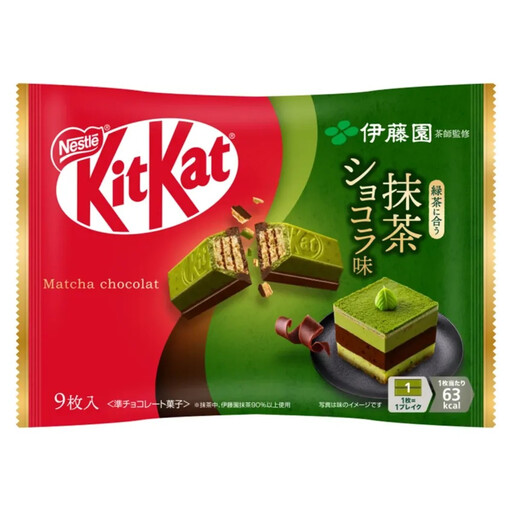
Why this fits the profile: This variant is aimed at lovers of Japanese chocolate who specifically want to combine matcha with a classic wafer.
The product information lists Japan as the country of origin and mentions matcha powder in the ingredients list.
9 individually wrapped bars totalling 104.4g; contains wheat, milk and soya according to the product information.
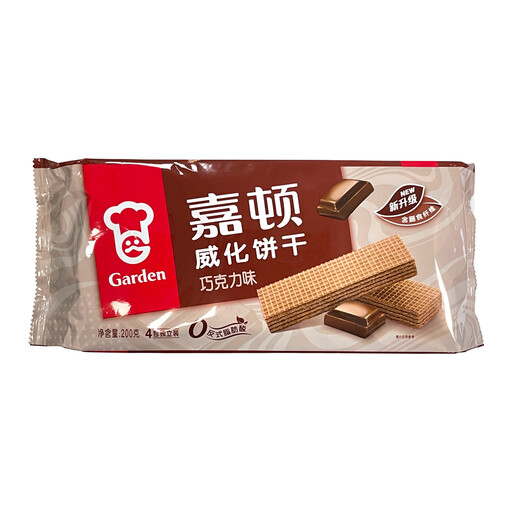
Why this fits the profile: The 200g content and the individual inner wrappers are practical for families, stocking up and sharing snacks.
The packaging isn’t just large – according to the product information, it’s also divided into individual wrappers. That helps with storage and handing out.
Multi-layered wafers with cocoa filling; 200g content and ready to eat straight away.
We’ve put together a full, up-to-date list of products that fully meet these strict selection criteria and comply with current European safety regulations.
For a tasting session, you can combine different types of Japanese snacks. For example, choose matcha KitKat for a tea-focused flavour, Glico Pocky Peach for a fruity option and Meito Pukupukutai Strawberry Wafer for a small portion with a strawberry taste.
For guests, multipacks and snacks with individual portions are practical. KitKat Chocolate Orange contains nine pieces, while Pocky and Mikado are suitable for serving in a bowl. If you’re buying chocolate snacks online for on the go, it’s better to look for compact packs of 35 to 56g.
If you’re mainly after variety, also look beyond Japanese products to Asian snacks such as WantWant Chocolate-Filled Wafer Rolls or Hello Panda Biscuits with chocolate filling. With products from different countries, check the Dutch-language information, allergens and storage conditions extra carefully.
Popular choices include matcha KitKat, Pocky biscuits, chocolate wafers, filled biscuits and bars with fruity flavours. Preference depends on the desired texture and flavour intensity. When buying, look at the ingredients list rather than just the product name.
Store the snacks in a cool, dry place away from direct sunlight. Avoid moisture and heat sources. At temperatures above the advice on the packaging, chocolate can soften or develop a white bloom. Seal opened packs properly and consume them within a reasonable time.
Yes, especially multipacks with individually wrapped bars and products with several inner wrappers. Check the number of portions and the allergens beforehand. That way, you can choose the right amount for a family, birthday or film night without relying solely on the weight of the outer packaging.
